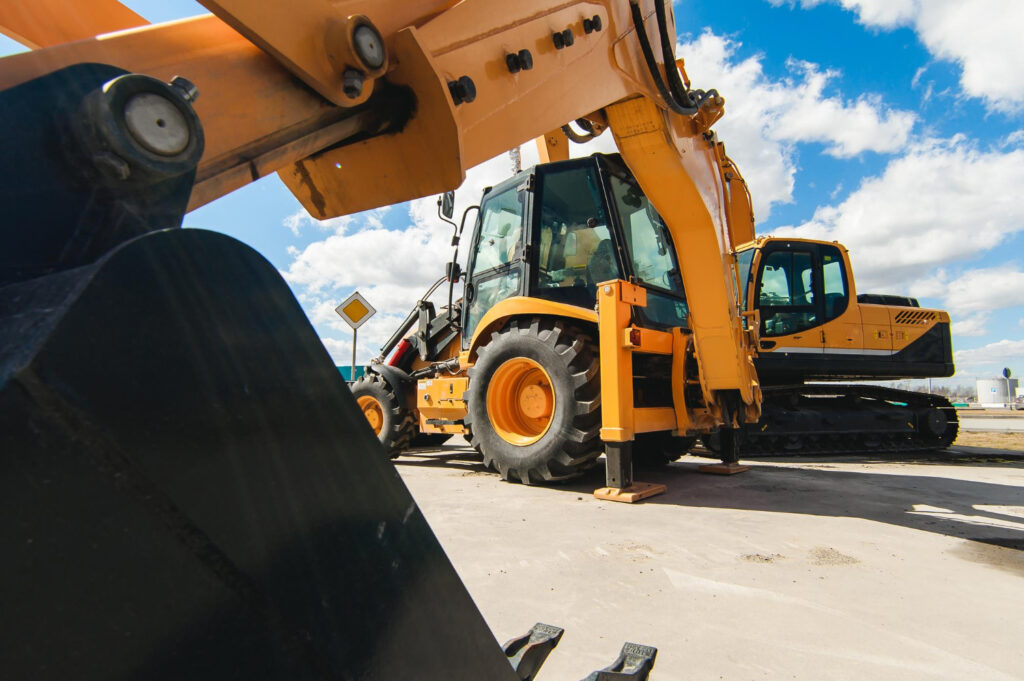
TechInspecta provides Front Loader Operator Training for personnel who operate front loaders, wheel loaders, loading shovels and similar heavy equipment used for loading, stockpiling, transporting and handling materials in industrial environments.
Front loaders are widely used in construction, mining, ports, oil & gas yards, quarries, warehouses, manufacturing plants, waste management facilities and bulk material handling operations. Because these machines operate around people, vehicles, structures, stockpiles and uneven ground, operators must be properly trained to control the equipment safely and prevent accidents.
This training is designed to develop the operator’s ability to inspect, operate, manoeuvre, load, transport and park a front loader safely in accordance with site procedures, manufacturer guidance and applicable workplace safety requirements. HSE workplace transport guidance highlights the need to assess and manage risks where vehicles are used in workplaces, while OSHA rules for material-handling equipment include requirements related to reverse movement visibility and guarding of hazardous scissor points on front-end loaders.
1. Applicable Safety Requirements and Site Rules
Participants are introduced to the safety requirements that apply to front loader operations, including company procedures, site traffic rules, permit requirements, speed limits, PPE rules and equipment operating instructions.
This module emphasizes that front loaders must only be operated by trained and authorized personnel. It also explains the importance of following the manufacturer’s operating manual, because manufacturer guidance defines safe operation, maintenance requirements, warnings and machine limitations. Caterpillar advises operators and owners to refer to the Operation and Maintenance Manual for safety, settings, maintenance and operating guidance.
Participants learn:
- Operator responsibilities.
- Employer and supervisor responsibilities.
- Site traffic management requirements.
- Safe operating procedures.
- Equipment limitations.
- Reporting of defects and unsafe conditions.
- Stop-work authority.
-
2. Machine Familiarization and Basic Components
This module introduces participants to the main components of a front loader and how each system contributes to safe operation.
Training covers:
- Bucket and attachments.
- Lift arms.
- Hydraulic cylinders.
- Steering system.
- Brake system.
- Transmission.
- Tyres.
- Counterweight.
- Cab controls.
- Mirrors and cameras.
- Lights, horn and reverse alarm.
- Seat belt and operator protection systems.
- Fire extinguisher and emergency equipment.
Understanding the machine helps operators identify defects early and operate with better control.
3. Pre-Start and Walk-Around Inspection
Before operating a front loader, the operator must conduct a proper walk-around inspection to confirm that the machine is safe for use. This is one of the most important parts of the training.
Inspection points include:
- Tyre condition and pressure.
- Hydraulic hoses and cylinders.
- Fluid leaks.
- Engine oil, coolant and hydraulic oil levels.
- Bucket condition.
- Bucket teeth and cutting edge.
- Attachment locking system.
- Lights, horn and warning alarms.
- Mirrors and cameras.
- Seat belt condition.
- Brakes and steering.
- Access steps and handrails.
- Fire extinguisher.
- General damage, cracks or loose parts.
Caterpillar maintenance guidance highlights the importance of checking fluids, filters, leaks, attachments, hoses, lift cylinders and tilt cylinders as part of wheel loader care and safe readiness.
4. Post-Start Operational Checks
After starting the machine, the operator must verify that the front loader responds correctly before beginning work.
Training covers:
- Brake test.
- Steering check.
- Horn and reverse alarm check.
- Lights and beacon check.
- Hydraulic function check.
- Bucket raise/lower function.
- Tilt function.
- Instrument panel warning lights.
- Parking brake check.
- Transmission response.
- Unusual noise, vibration or smoke.
This step helps prevent incidents caused by mechanical failure during operation.
5. Safe Driving and Manoeuvring
Front loaders are large machines with blind spots, wide turning movement and high operating weight. Operators must understand how to drive and manoeuvre safely in busy work areas.
Training covers:
- Safe speed control.
- Maintaining visibility.
- Driving with the bucket low.
- Safe turning techniques.
- Avoiding sudden braking or sharp turns.
- Travelling on slopes.
- Travelling on uneven ground.
- Avoiding soft ground and unstable surfaces.
- Maintaining safe distance from people and vehicles.
- Using mirrors, cameras and alarms.
- Working with a banksman or spotter when visibility is restricted.
NEBOSH/OSHA requires that earthmoving equipment with an obstructed rear view must not be used in reverse unless it has a reverse signal alarm distinguishable from surrounding noise or an employee signals that it is safe to move.
6. Loading and Material Handling Techniques
This module teaches operators how to load and move materials safely and efficiently without damaging the machine, the load, trucks or surrounding structures.
Training covers:
- Approaching the material pile correctly.
- Filling the bucket safely.
- Avoiding overloading.
- Keeping the load balanced.
- Carrying the bucket low while travelling.
- Loading trucks evenly.
- Avoiding spillage.
- Avoiding contact with truck sides.
- Stockpile management.
- Working around hoppers and bins.
- Avoiding undercutting material piles.
- Preventing machine instability during loading.
Correct loading technique improves productivity while reducing tyre wear, machine stress, collision risk and rollover potential.
7. Stability, Load Limits and Rollover Prevention
Front loaders can become unstable if overloaded, operated on slopes, driven too fast, turned sharply or used with the bucket raised. This module focuses on machine stability and rollover prevention.
Training covers:
- Centre of gravity.
- Load position and machine stability.
- Effect of raised buckets.
- Side slopes and ramps.
- Sudden turning hazards.
- Overloading risks.
- Travelling with loads.
- Operating near edges.
- Seat belt importance.
- ROPS and FOPS awareness.
Key message: the higher the bucket and the heavier the load, the greater the risk of instability, especially during turning or travel on uneven ground.
8. Working Around People, Vehicles and Fixed Structures
Front loaders often operate in congested areas where workers, trucks, forklifts, cranes and light vehicles may be present. This module teaches safe interaction with people and traffic.
Training covers:
- Pedestrian exclusion zones.
- Blind spot awareness.
- Safe reversing.
- Use of spotters.
- Traffic routes.
- Right-of-way rules.
- Loading trucks safely.
- Working near workshops and warehouses.
- Working near buildings, pipe racks and containers.
- Safe communication with other operators.
- Avoiding crush and struck-by incidents.
HSE workplace transport guidance focuses on managing workplace vehicle risks to protect workers, employees and members of the public where vehicles are used in a workplace.
9. Working Near Proximity Hazards
Front loader operators must be able to identify hazards around the work area before and during operation.
Proximity hazards include:
- Overhead power lines.
- Underground services.
- Excavations and trenches.
- Stockpile edges.
- Quay edges and water edges.
- Soft or unstable ground.
- Slopes and ramps.
- Other mobile equipment.
- Scaffolding.
- Buildings and structures.
- Fuel tanks and pipelines.
- Confined areas.
- Poor lighting.
- Dust, rain or poor visibility.
Operators are trained to stop and report unsafe conditions before continuing the task.
10. Attachments and Correct Use
Front loaders may be used with different attachments depending on the job. Operators must understand that every attachment changes the machine’s handling, stability and operating limits.
Training may cover:
- General-purpose buckets.
- Rock buckets.
- Fork attachments.
- Grapples.
- Sweeper attachments.
- Material handling arms.
- Quick couplers.
- Attachment locking checks.
- Attachment compatibility.
- Capacity changes caused by attachments.
Operators learn that attachments must be correctly fitted, locked, inspected and used only for their intended purpose.
11. Communication and Banksman Control
Clear communication is essential when operating around trucks, pedestrians, other machines or restricted visibility areas.
Training covers:
- Hand signals.
- Radio communication.
- Eye contact with banksman.
- Stop signal.
- Emergency communication.
- One banksman/signal person rule.
- Communication during reversing.
- Communication during loading operations.
- Communication failure procedure.
This module is especially important for ports, construction sites, warehouses and industrial yards where multiple activities happen at the same time.
12. Parking, Shutdown and Securing the Machine
At the end of operation, the front loader must be parked and secured correctly.
Training covers:
- Parking on level ground where possible.
- Lowering the bucket to the ground.
- Applying the parking brake.
- Neutralizing controls.
- Engine shutdown procedure.
- Removing the key.
- Securing the cab.
- Post-operation inspection.
- Reporting defects.
- Refuelling precautions.
- Safe isolation where required.
Correct shutdown prevents unintended movement, unauthorized use, hydraulic failure risks and equipment damage.