Confined Space Work

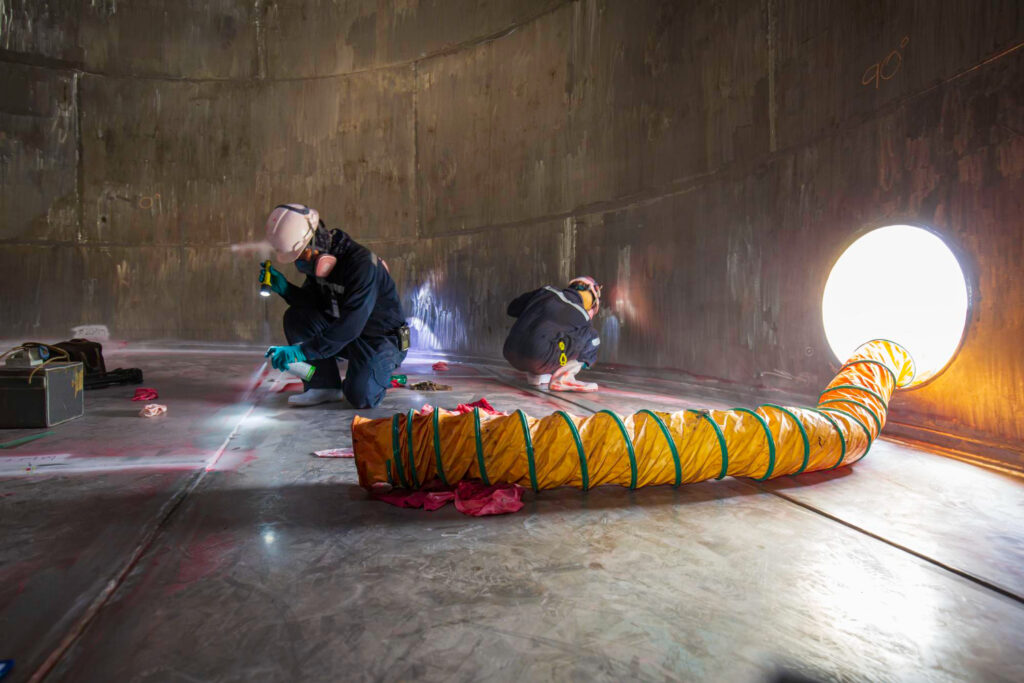
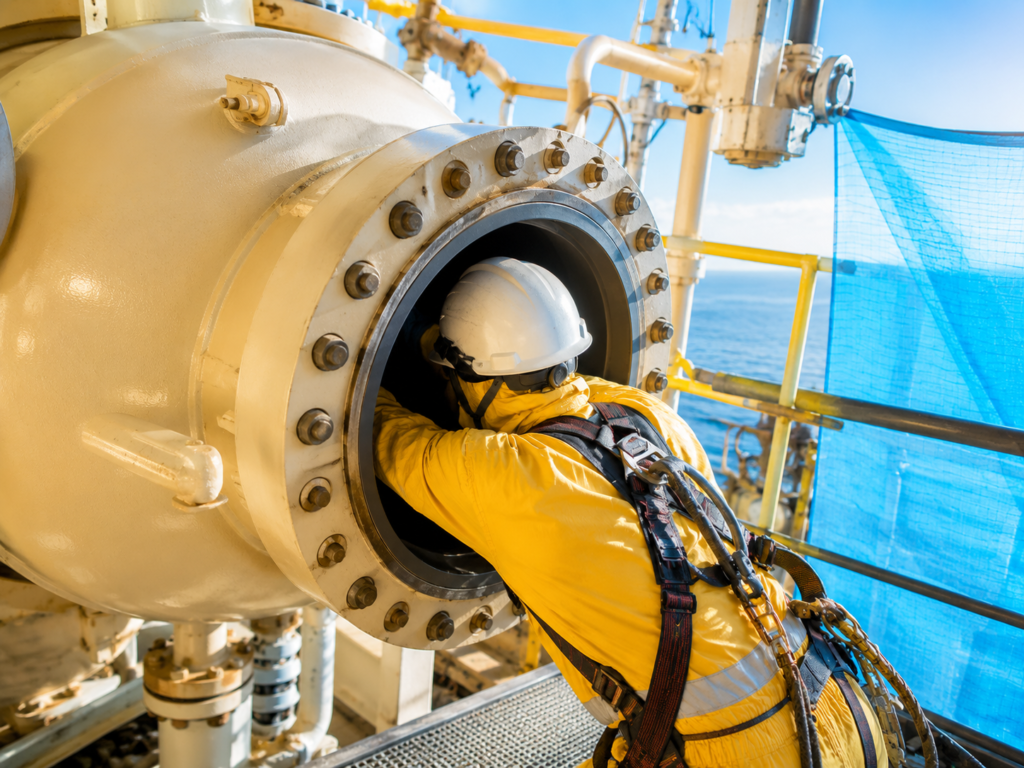
We support safe work inside tanks, vessels, manholes, pits, pipelines and other confined spaces. Our approach covers risk assessment, permits, gas testing, ventilation, isolation, PPE, supervision and emergency rescue planning to protect workers and ensure safe execution.

What Is Confined Space Work?

Confined Space Work refers to any activity carried out inside an enclosed or partially enclosed space that is not designed for continuous occupancy and may present serious health and safety risks.

Examples of confined spaces include:

  • Storage tanks.
  • Pressure vessels.
  • Silos.
  • Manholes.
  • Sewers.
  • Pits.
  • Trenches.
  • Pipelines.
  • Boilers.
  • Ducts.
  • Ship compartments.
  • Underground chambers.
  • Process vessels.
  • Drainage systems.
  • Offshore enclosed spaces.

A confined space may look safe from the outside, but the internal atmosphere can be oxygen-deficient, toxic, flammable or contaminated. NIOSH warns that workers should never trust their senses to determine whether the air is safe, because many toxic gases cannot be seen or smelled and oxygen levels cannot be judged without proper instruments.

Purpose of Confined Space Work Control

The purpose of TechInspecta’s Confined Space Work support is to ensure that all activities inside confined spaces are properly assessed, planned, controlled and supervised before entry begins.

Our approach helps clients ensure that:

  • Hazards are identified before entry.
  • Entry is avoided where possible.
  • A safe system of work is established.
  • The atmosphere is tested before and during work.
  • Workers are trained and competent.
  • Ventilation and isolation controls are in place.
  • Emergency rescue arrangements are prepared.
  • Work is performed under proper supervision.
  • Entry permits are completed and verified.
  • Workers exit safely after the task is completed.

HSE guidance emphasizes that confined space work requires suitable risk assessment, safe systems of work and emergency arrangements before entry takes place.

Typical Confined Space Activities

TechInspecta can support confined space work involving:

  • Internal inspection of tanks and vessels.
  • Cleaning of tanks, pits, drains and chambers.
  • NDT inspection inside confined areas.
  • Thickness measurement of internal surfaces.
  • Visual inspection of pressure vessels.
  • Repair and maintenance activities.
  • Welding, grinding or hot work inside enclosed spaces.
  • Painting and coating inside tanks.
  • Pipework inspection and repair.
  • Removal of sludge, residue or deposits.
  • Mechanical maintenance inside equipment.
  • Inspection of offshore or marine compartments.
  • Inspection of silos, hoppers and process equipment.

Key Hazards in Confined Space Work

  • 1. Oxygen Deficiency

    Oxygen deficiency can occur due to rusting, chemical reactions, displacement by gases, biological activity or poor ventilation. This can lead to dizziness, unconsciousness or death.

    2. Toxic Atmospheres

    Confined spaces may contain toxic gases such as hydrogen sulphide, carbon monoxide, solvent vapours, chemical fumes or process residues. Some gases may be invisible and odourless.

    3. Flammable or Explosive Atmospheres

    Flammable vapours, gases or dust may accumulate inside a confined space. If an ignition source is introduced, fire or explosion can occur.

    4. Engulfment and Entrapment

    Workers may be trapped or buried by materials such as grain, sand, sludge, water, chemicals or bulk solids.

    5. Mechanical and Energy Hazards

    Confined spaces may contain moving equipment, agitators, conveyors, valves, pressure systems, electrical energy, hydraulic energy or stored mechanical energy.

    6. Restricted Access and Difficult Rescue

    Confined spaces often have narrow openings, vertical entry, poor visibility and limited movement. This makes rescue difficult and increases the importance of pre-planned emergency arrangements.


TechInspecta’s Confined Space Work Support

  • 1. Confined Space Identification

    TechInspecta helps clients identify confined spaces within their facilities and classify them according to the level of risk. This includes tanks, vessels, chambers, pits, manholes, pipelines and other enclosed areas.

    2. Risk Assessment

    Before entry, a detailed risk assessment should be carried out to identify hazards, evaluate risk and define control measures. The assessment should consider the task, internal atmosphere, materials inside the space, tools to be used, worker competence and emergency rescue arrangements.

    3. Permit-to-Work Support

    Confined space entry should be controlled by a permit-to-work system. The permit confirms that required controls are in place before workers enter.

    The permit may include:

    • Description of the work.
    • Location of the confined space.
    • Authorized entrants.
    • Entry supervisor.
    • Standby attendant.
    • Gas testing results.
    • Isolation requirements.
    • Ventilation requirements.
    • PPE requirements.
    • Rescue arrangements.
    • Communication method.
    • Validity period.
    • Approval signatures.
    •  

    4. Atmospheric Testing and Gas Monitoring

    Atmospheric testing is one of the most important controls for confined space work. NIOSH recommends testing oxygen content, flammable gases and vapours, and toxic air contaminants before entry, and continuously monitoring during the work where required.

    Gas testing may include:

    • Oxygen level.
    • Flammable gases.
    • Hydrogen sulphide.
    • Carbon monoxide.
    • Volatile organic compounds.
    • Toxic vapours.
    • Site-specific hazardous gases.


  • 5. Ventilation Control

    Ventilation may be required to remove hazardous gases, improve oxygen levels and control airborne contaminants. This may include natural ventilation, forced ventilation, extraction systems or local exhaust ventilation depending on the risk.

    6. Isolation and Lockout

    Before entering a confined space, hazardous energy sources must be isolated. This may include electrical isolation, mechanical isolation, hydraulic isolation, pneumatic isolation, blanking, blinding, depressurizing, draining, flushing and lockout/tagout.

    7. PPE and Safety Equipment Verification

    TechInspecta helps verify that workers use suitable PPE and safety equipment for the task.

    This may include:

    • Safety helmet.
    • Gloves.
    • Safety boots.
    • Eye protection.
    • Protective clothing.
    • Respiratory protection.
    • Harness and lifeline.
    • Gas detector.
    • Lighting equipment.
    • Communication equipment.
    • Tripod and retrieval system.
    • Fire extinguisher.
    • Rescue equipment.
    •  

    8. Standby Attendant and Entry Supervision

    A standby attendant should remain outside the confined space to monitor entrants, maintain communication, control entry and initiate emergency response if needed. The attendant must not enter the space unless properly trained, equipped and authorized as part of a rescue plan.

    9. Emergency Rescue Planning

    Emergency rescue must be planned before entry. It is not enough to rely only on emergency services after an incident occurs. HSE emphasizes that arrangements must be made for how workers will be monitored and rescued if they are overcome by fumes or other hazards.

    Rescue planning may include:

    • Rescue method.
    • Rescue team availability.
    • Retrieval equipment.
    • Communication system.
    • First aid arrangements.
    • Emergency evacuation route.
    • Rescue drill requirements.
    • Coordination with site emergency response team.


  • 10. Final Close-Out and Work Completion

    After the work is completed, the confined space must be cleared, tools removed, personnel accounted for, permits closed and equipment restored safely. Any defects, hazards or inspection findings should be documented and reported.

Who Needs Confined Space Work Support?

  • This service is suitable for:

    • Oil & gas facilities.
    • Fuel terminals.
    • Ports and marine terminals.
    • Mining plants.
    • Construction sites.
    • Manufacturing plants.
    • Water and wastewater facilities.
    • Power plants.
    • Petrochemical facilities.
    • Food and beverage plants.
    • Offshore facilities.
    • Industrial maintenance contractors.

Benefits to the Client

  • TechInspecta’s Confined Space Work support helps clients:

    • Prevent confined space accidents.
    • Improve worker safety.
    • Strengthen permit-to-work compliance.
    • Reduce exposure to toxic or oxygen-deficient atmospheres.
    • Improve emergency preparedness.
    • Ensure proper gas testing and monitoring.
    • Improve control of contractors.
    • Reduce operational risk.
    • Protect people, assets and the environment.
    • Build a stronger safety culture.