
Electrical & Instrumentation Inspection
We provide electrical and instrumentation inspection, testing, commissioning and QA/QC services to support safe, compliant and reliable operations across oil & gas, mining, construction and industrial facilities.
Brochure
Download our document to see specific data of the service and how we work.
Need an inspection for your machinery or equipment?
Please feel free to contact us. We will get back to you with 1-2 business days. Or just call us now.
Electrical & Instrumentation Inspection Services
Electrical Integrity, Instrumentation Verification and Control System Inspection for Industrial Facilities
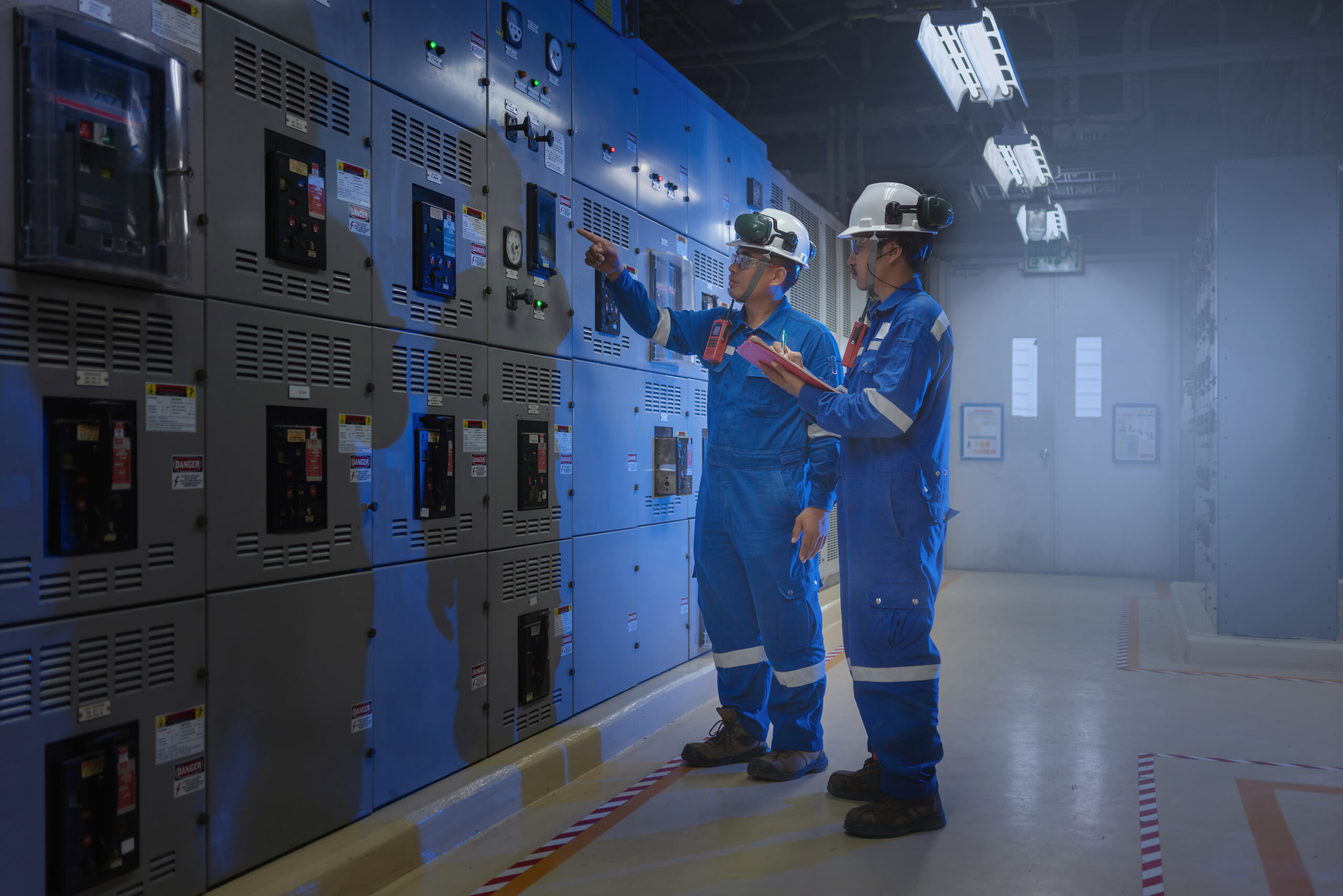
TechInspecta Integrity Services, Lda. provides Electrical & Instrumentation Inspection Services to help industrial clients verify the safety, reliability, functionality and compliance of electrical installations, instrumentation systems and control equipment.
Electrical and instrumentation systems are critical to the safe operation of industrial facilities. They provide power distribution, process control, machine operation, measurement, shutdown protection, alarm functions, safety interlocks and operational monitoring. If these systems are poorly installed, damaged, incorrectly calibrated or not properly maintained, the result can be equipment failure, process instability, fire, electric shock, production losses or major safety incidents.
TechInspecta supports clients in oil & gas, power generation, mining, manufacturing, construction, ports, petrochemical plants, fuel terminals, offshore/onshore facilities and industrial maintenance projects through structured inspection, testing support, documentation review, punch listing, commissioning support and technical reporting.
Service Overview
Electrical & Instrumentation inspection is a technical service used to verify whether electrical systems, field instruments, control devices, cabling, panels and safety-related systems are correctly installed, safe to operate and fit for service.
IEC 60364-6 provides requirements for initial and periodic verification of low-voltage electrical installations, while IEC 60079-17 covers inspection and maintenance of electrical installations in explosive atmospheres. These references are especially relevant for industrial plants, oil & gas facilities, fuel terminals and hazardous areas where electrical failure can create serious risks.
TechInspecta’s inspection services may be provided during:
- Construction.
- Installation.
- Pre-commissioning.
- Commissioning.
- Routine maintenance.
- Shutdowns and turnarounds.
- Asset integrity inspections.
- Hazardous area inspections.
- Electrical system upgrades.
- Instrumentation replacement campaigns.
- Post-incident investigations.
Purpose of Electrical & Instrumentation Inspection
The purpose of Electrical & Instrumentation Inspection Services is to confirm that electrical and instrumentation systems are installed, maintained and functioning safely according to project requirements, client specifications and applicable standards.
This service helps clients answer critical questions such as:
- Are electrical installations safe and properly installed?
- Are cables, panels, switchgear and distribution boards correctly identified?
- Are electrical connections secure and protected?
- Are grounding and bonding systems adequate?
- Are instruments correctly installed, tagged and calibrated?
- Are control loops functioning correctly?
- Are alarms, trips and interlocks properly verified?
- Are hazardous area electrical installations compliant with Ex requirements?
- Are defects documented and prioritized before commissioning or handover?
- Are inspection records, test packs and certificates complete?
Client value: TechInspecta helps clients reduce electrical risk, improve plant reliability, support safe commissioning and maintain better control over electrical and instrumentation assets.
Systems and Assets Covered
TechInspecta’s Electrical & Instrumentation Inspection Services may cover:
- Low-voltage electrical installations.
- Power distribution panels.
- Switchboards and distribution boards.
- Motor Control Centers.
- Variable Frequency Drives.
- Transformers.
- Electrical motors.
- Generators and auxiliary systems.
- UPS and battery systems.
- Cable trays and cable ladders.
- Power and control cables.
- Earthing, grounding and bonding systems.
- Lighting and emergency lighting systems.
- Junction boxes and field panels.
- Field instruments.
- Transmitters.
- Pressure, temperature, flow and level instruments.
- Control valves and actuators.
- Solenoid valves.
- PLC and DCS field interfaces.
- Fire and gas detection systems.
- Emergency shutdown systems.
- Safety Instrumented Systems.
- Hazardous area Ex equipment.
- Instrument air systems.
- Local control stations.
- Machine electrical control systems.
IEC 60204-1 applies to electrical, electronic and programmable electronic equipment and systems for machines, which is relevant for inspection of machinery-related electrical systems and control panels.
Technical Scope of Inspection
1. Electrical Installation Inspection
TechInspecta verifies the physical condition, installation quality and safety of electrical systems before energization, during commissioning or as part of routine asset integrity inspections.
Inspection may include:
- Cable routing and mechanical protection.
- Cable tray and ladder installation.
- Glanding and termination quality.
- Cable identification and tagging.
- Distribution board condition.
- Panel cleanliness and internal condition.
- Circuit labelling.
- Breaker and fuse identification.
- Segregation of power, control and instrument cables.
- Earthing and bonding connections.
- Insulation damage indicators.
- Cable support and bending radius.
- Signs of overheating, burning or loose connections.
- Protection against water, dust and mechanical damage.
Client value: helps detect unsafe electrical installation conditions before they cause equipment failure, fire, electric shock or commissioning delays.
2. Electrical Panel, Switchgear and MCC Inspection
Electrical panels, switchboards and Motor Control Centers are critical assets for safe power distribution and equipment control.
Inspection may include:
- Panel physical condition.
- Internal wiring condition.
- Busbar condition.
- Breakers, contactors and relays.
- Cable termination tightness.
- Heat damage or discoloration.
- Door seals and ingress protection.
- Panel ventilation.
- Labelling and circuit identification.
- Electrical clearances.
- Locking and access control.
- Grounding connections.
- Warning labels and arc flash awareness markings, where applicable.
- Cleanliness and foreign material control.
NFPA 70B covers preventive maintenance for electrical, electronic and communication systems and equipment, including industrial plant equipment, making it a useful reference for maintenance-focused inspection programs.
3. Cable, Glanding and Termination Inspection
Poor cable installation can cause short circuits, earth faults, signal failures, moisture ingress and unreliable plant operation.
TechInspecta checks:
- Cable type and route.
- Cable support and protection.
- Gland selection and installation.
- Cable armour termination.
- Sealing and weatherproofing.
- Termination tightness.
- Ferruling and wire identification.
- Cable continuity status, where applicable.
- Damaged insulation.
- Unsealed cable entries.
- Unused entries and blanking plugs.
- Separation between power and signal cables.
- Bend radius and strain relief.
Client value: reduces the risk of cable faults, water ingress, poor signal transmission and premature electrical failure.
4. Earthing, Grounding and Bonding Inspection
Earthing and bonding systems are essential for personnel protection, equipment protection, lightning protection and control of fault currents.
Inspection may include:
- Earth conductor condition.
- Earth bar connections.
- Bonding jumpers.
- Equipment bonding.
- Cable tray bonding.
- Structural bonding.
- Transformer earthing.
- Panel grounding.
- Instrument earth and clean earth systems.
- Lightning protection bonding.
- Loose or corroded connections.
- Continuity verification support, where required.
Client value: helps reduce electric shock risk, improve fault protection and support reliable instrumentation performance.
5. Instrumentation Installation Inspection
Instrumentation inspection verifies whether field instruments are correctly installed, accessible, tagged, protected and suitable for the process application.
Inspection may include:
- Instrument tag verification.
- Instrument location and accessibility.
- Impulse line installation.
- Tubing and fittings.
- Cable glands and junction boxes.
- Instrument mounting brackets.
- Process connection condition.
- Pressure transmitter installation.
- Temperature element installation.
- Flowmeter installation.
- Level instrument installation.
- Control valve installation.
- Actuator and positioner condition.
- Instrument air connection.
- Instrument weather protection.
- Instrument identification and calibration label.
Client value: ensures that instruments are correctly installed and ready to provide reliable process measurement and control.
6. Calibration and Functional Verification Support
Accurate instrumentation is essential for process control, safety, quality and production reliability. TechInspecta can support calibration verification and functional checks where required.
Inspection and verification may include:
- Calibration certificate review.
- Instrument range verification.
- Zero and span check support.
- Calibration label verification.
- Loop check support.
- Signal verification.
- Transmitter output verification.
- Alarm and trip point verification.
- Control valve stroke test witnessing.
- Solenoid valve function check.
- Instrument air supply check.
- Function test witnessing.
Client value: helps ensure that instruments measure correctly, respond properly and support stable plant operation.
7. Control Loop and Loop Check Inspection
Control loops connect field instruments to PLC, DCS, control panels or safety systems. Incorrect wiring, wrong tag numbers or faulty signals can cause process instability or commissioning delays.
Inspection may include:
- Loop folder review.
- Cable and terminal verification.
- Instrument tag verification.
- Signal continuity.
- 4–20 mA signal verification.
- Digital signal verification.
- I/O point confirmation.
- PLC/DCS signal confirmation.
- Alarm response verification.
- Control action verification.
- Field-to-control-room communication testing support.
- Punch list generation and close-out.
Client value: reduces commissioning problems and ensures field devices communicate correctly with control systems.
8. Fire & Gas Detection System Inspection
Fire and gas systems are safety-critical in oil & gas, petrochemical, fuel storage and industrial facilities.
Inspection may include:
- Gas detector installation checks.
- Flame detector installation checks.
- Smoke and heat detector checks.
- Manual call point condition.
- Horns, beacons and alarms.
- Detector tagging and location.
- Cable and junction box condition.
- Calibration certificate review.
- Functional test witnessing.
- Alarm activation verification.
- Interface with shutdown systems, where applicable.
- Coverage and obstruction observations.
Client value: helps maintain reliable early detection of fire and gas hazards and supports emergency preparedness.
9. Emergency Shutdown and Safety Instrumented System Inspection
Emergency Shutdown systems and Safety Instrumented Systems are designed to bring processes to a safe state when hazardous conditions occur. IEC 61511 covers functional safety and safety instrumented systems for the process industry sector.
TechInspecta can support inspection and verification activities such as:
- ESD device inspection.
- Trip transmitter verification.
- Shutdown valve inspection.
- Solenoid valve function check.
- Cause and effect verification support.
- Proof test witnessing.
- Functional test support.
- Safety loop documentation review.
- Field device tagging and wiring checks.
- Interface verification with PLC/SIS.
- Defect and punch list reporting.
Client value: supports functional safety performance and helps ensure that critical shutdown functions are correctly installed and tested.
10. Hazardous Area Electrical Inspection
In oil & gas, fuel terminals, chemical plants and other explosive atmosphere environments, electrical and instrumentation equipment must be suitable for the hazardous area classification and installed correctly.
Inspection may include:
- Ex equipment identification.
- Equipment protection type verification.
- Area classification compatibility.
- Ex marking verification.
- Cable gland suitability.
- Sealing and blanking plugs.
- Enclosure condition.
- Thread engagement.
- Earth bonding.
- Ingress protection.
- Corrosion condition.
- Modification or damage checks.
- Inspection grade classification support.
- Ex inspection checklist completion.
IEC 60079-14 addresses design, selection, installation and initial inspection of Ex equipment in explosive atmospheres, including documentation and personnel competency requirements; IEC 60079-17 covers inspection and maintenance of electrical installations in explosive atmospheres.
Client value: helps reduce ignition risk and supports compliance in hazardous areas.
11. Transformer, Generator and Motor Inspection Support
TechInspecta can support inspection of key electrical rotating and power equipment.
Inspection may include:
- Transformer physical condition.
- Oil leaks and bushing condition.
- Cable connections.
- Cooling system condition.
- Generator condition checks.
- Motor terminal box inspection.
- Motor mounting and alignment observations.
- Space heater condition.
- Fan and ventilation condition.
- Noise, vibration or overheating observations.
- Nameplate and rating verification.
- Grounding and bonding condition.
Client value: helps identify defects that can affect power reliability, equipment availability and operational safety.
12. Pre-Commissioning, Commissioning and Punch List Support
Electrical and instrumentation systems must be verified before handover and energization.
TechInspecta can support:
- Construction inspection.
- Pre-energization checks.
- Mechanical completion verification.
- Punch list preparation.
- Punch list close-out verification.
- Test pack review.
- Loop folder review.
- As-built drawing verification.
- Tag-to-drawing verification.
- Energization readiness review.
- Commissioning support.
- Final handover dossier review.
Client value: helps clients reduce commissioning delays, improve documentation quality and ensure systems are ready for safe start-up.
Common Defects Identified
TechInspecta’s Electrical & Instrumentation Inspection Services help identify defects such as:
- Loose cable terminations.
- Damaged cable insulation.
- Incorrect cable glands.
- Missing blanking plugs.
- Poor earthing and bonding.
- Corroded junction boxes.
- Incorrect tagging.
- Wrong instrument location.
- Missing calibration labels.
- Expired calibration certificates.
- Instrument tubing leaks.
- Damaged impulse lines.
- Unprotected cables.
- Poor cable segregation.
- Water ingress in enclosures.
- Missing warning labels.
- Damaged panels.
- Overheating signs.
- Incorrect Ex equipment installation.
- Non-compliant hazardous area glands.
- Faulty control loops.
- Failed alarms or interlocks.
- Incomplete documentation.
- Open punch items before commissioning.
Documentation and Certification Review
TechInspecta can support review and verification of electrical and instrumentation documentation, including:
- Electrical drawings.
- Single-line diagrams.
- Cable schedules.
- Instrument index.
- I/O lists.
- Loop diagrams.
- Cause and effect charts.
- Panel drawings.
- Junction box schedules.
- Hazardous area classification drawings.
- Ex equipment certificates.
- Calibration certificates.
- Loop check sheets.
- Functional test records.
- Inspection and Test Plans.
- Mechanical completion dossiers.
- Commissioning dossiers.
- Punch lists.
- As-built records.
Services Include
Electronic materials are the type of materials which are typically used as core elements in a variety of device applications. These elements can be, for example, memories, displays, LEDs and could be easily seen in daily electronic gadgets such as mobile phones, computers, laptops, tablets, GPS devices, LED bulbs, TVs and monitors.
- Inspection & Certification of Low-Voltage Electrical Installations — Systematic verification of LV systems against applicable codes, ensuring installations are safe, compliant, and fit for purpose in demanding industrial environments.
- Testing & Commissioning of Electrical Systems — End-to-end functional testing and commissioning of power distribution, control, and protection systems, minimizing operational risk at start-up and beyond.
- Technical Consulting in Electrical Projects — Independent advisory support across feasibility, detailed engineering, and execution phases — providing objective guidance to optimize design integrity and project outcomes.
- Quality Assurance & Quality Control (QA/QC) — Structured QA/QC programs and inspection test plans (ITPs) tailored to project-specific requirements, ensuring documentation traceability and conformance to client and regulatory standards.
- Specialized Electrical Technical Services — Bespoke engineering support including fault analysis, arc flash studies, equipment condition assessments, and technical audits for high-criticality assets.
Electrical & Instrumentation Inspection Services
Systematic verification of low-voltage systems against applicable codes, ensuring safety and compliance in demanding industrial environments.
End-to-end functional testing of power distribution, control, and protection systems — minimizing operational risk at start-up and beyond.
Independent advisory support across feasibility, detailed engineering, and execution phases — optimizing design integrity and project outcomes.
Structured QA/QC programs and inspection test plans (ITPs) ensuring documentation traceability and full conformance to client and regulatory standards.
Bespoke support including fault analysis, arc flash studies, equipment condition assessments, and technical audits for high-criticality assets.
Industries Served
TechInspecta provides Electrical & Instrumentation Inspection Services for:
- Oil & gas.
- Power generation.
- Mining.
- Construction.
- Manufacturing.
- Petrochemical plants.
- Fuel terminals.
- Ports and marine terminals.
- Offshore and onshore facilities.
- Industrial maintenance.
- Shutdown and turnaround projects.
- Warehousing and logistics.
- Water treatment plants.
- Processing plants.
- Fabrication yards.
Benefits to the Client
TechInspecta’s Electrical & Instrumentation Inspection Services help organizations:
- Improve electrical safety.
- Reduce risk of fire and electric shock.
- Improve plant reliability.
- Reduce commissioning delays.
- Detect installation defects before energization.
- Improve instrumentation accuracy and functionality.
- Strengthen hazardous area compliance.
- Improve safety system readiness.
- Reduce process interruptions.
- Improve maintenance planning.
- Support safe start-up and handover.
- Maintain traceable inspection records.
- Improve contractor quality control.
- Protect people, assets, production and the environment.
Deliverables
TechInspecta may provide:
- Electrical inspection reports.
- Instrumentation inspection reports.
- E&I punch lists.
- Loop check verification records.
- Calibration certificate review summary.
- Hazardous area inspection reports.
- Ex equipment inspection checklists.
- Electrical panel inspection checklists.
- Cable and termination inspection records.
- Earthing and bonding inspection records.
- Functional test witnessing reports.
- Fire and gas inspection reports.
- ESD/SIS verification support reports.
- Photographic evidence.
- Defect register.
- Corrective action recommendations.
- Final inspection dossier.
Every inspection delivered to internationally recognised frameworks.
All TechInspecta inspections are conducted in full compliance with the standards mandated by the world’s leading regulatory bodies and industry authorities:
Regulamento Técnico das Instalações Eléctricas de Baixa Tensão
The technical regulation governing the design, installation, and verification of low-voltage electrical installations in Mozambique and Portugal. It defines mandatory safety requirements for residential, commercial, and industrial premises — including conductor sizing, protection schemes, earthing systems, and inspection procedures. Compliance with RTIEBT is a legal requirement for installation approval and certification in Mozambique.
IET Wiring Regulations — Requirements for Electrical Installations
Published by the Institution of Engineering and Technology (IET), BS 7671 is the UK's national standard for electrical installations — widely adopted across Africa, the Middle East, and Commonwealth countries. Currently in its 18th Edition, it covers the design, erection, and verification of installations up to 1,000 V AC. It is harmonized with the IEC 60364 series and is the benchmark referenced by many oil & gas, mining, and infrastructure project specifications globally.
Low-Voltage Electrical Installations — International Electrotechnical Commission
The foundational international standard series developed by the IEC, setting out global requirements for the design, installation, operation, and maintenance of low-voltage electrical systems. Comprising multiple parts — including system design, protection against electric shock, overcurrent protection, isolation, earthing, and special installations (hazardous areas, marinas, medical locations, construction sites) — IEC 60364 forms the technical basis from which most national standards, including BS 7671 and SANS 10142, are derived. It is the mandatory reference standard in many large-scale industrial and energy projects worldwide.
The Wiring of Premises — South African National Standard
The principal South African standard for the wiring of electrical installations in buildings and premises. Administered by the South African Bureau of Standards (SABS), SANS 10142 governs the selection, installation, and testing of wiring systems, switchgear, earthing, and protection devices. It is closely aligned with IEC 60364 and is the mandatory reference for Certificates of Compliance (CoC) issued by registered electrical contractors in South Africa — a framework widely referenced across the Southern African Development Community (SADC) region, including mining and energy projects in Mozambique, Zambia, and Zimbabwe.
Our Non-Destructive Testing services are delivered by qualified NDT technicians certified in accordance with SNT-TC-1A and ISO 9712 requirements, ensuring reliable inspection results, technical accuracy and compliance with recognised international practices.