
COMPANY PROFILE
Download our document to see specific data of the service and how we work.
Need an inspection for your machinery or equipment?
Please feel free to contact us. We will get back to you with 1-2 business days. Or just call us now.

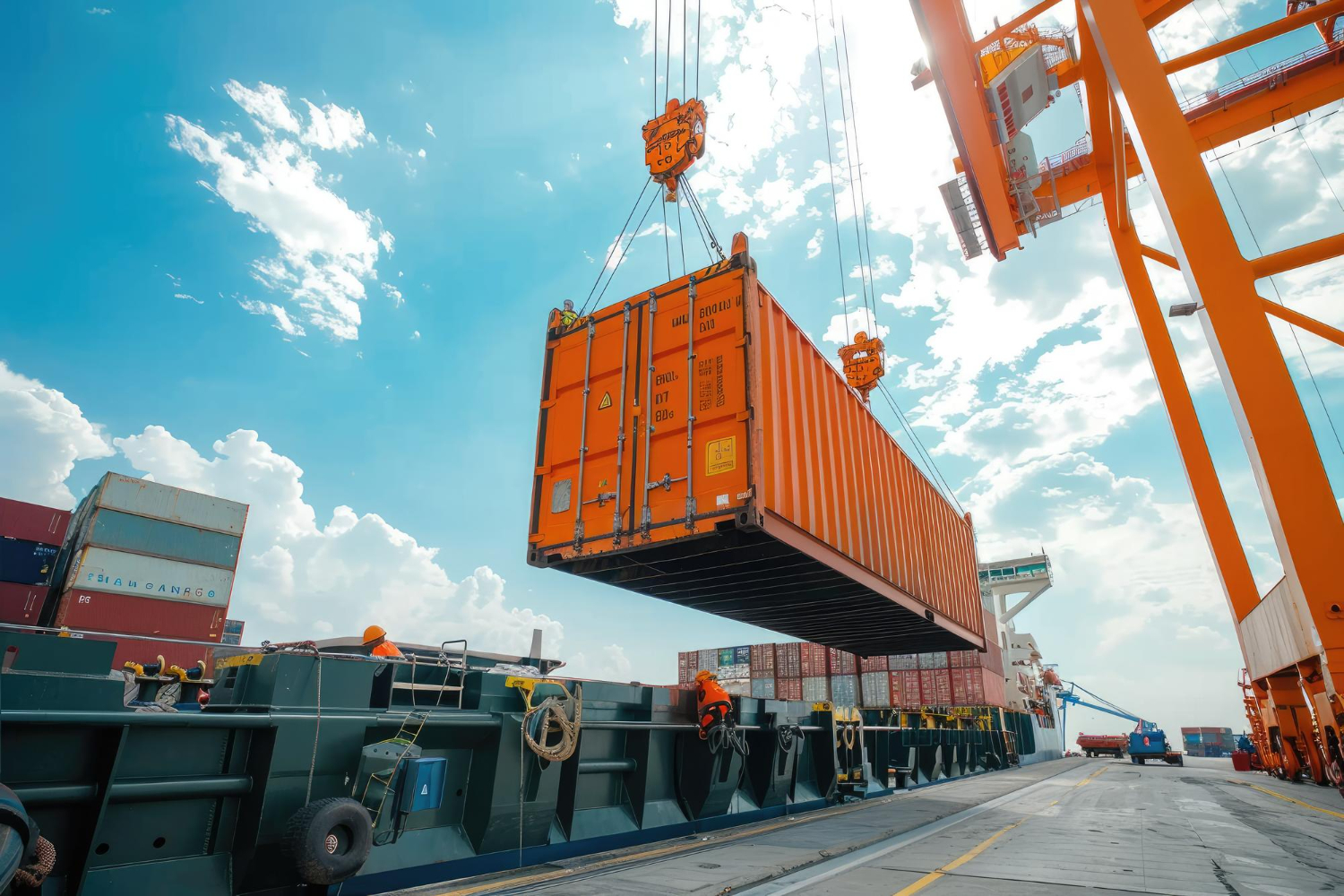
Offshore & Onshore Container Integrity Inspection & Certification Services
TechInspecta Integrity Services, Lda. provides Offshore and Onshore Container Integrity Inspection & Certification Services for cargo carrying units, offshore containers, freight containers, tank containers, baskets, skips, tool containers and other transport units used in oil & gas, mining, ports, logistics, construction and industrial operations.
In offshore and onshore environments, containers are not just storage boxes. They are load-bearing transport assets exposed to lifting forces, impact loads, corrosion, rough handling, sea transport, stacking, vibration, weather exposure and repeated movement between yards, vessels, platforms and project sites.
At TechInspecta Integrity Services, Lda., we support logistics, marine, oil & gas, construction, mining and industrial operations by ensuring that containers and cargo units remain fit for purpose and aligned with applicable safety requirements. This service also supports your company’s portfolio focus on CSC containers, CCUs, offshore containers, cargo and lashing inspections.
What Are Cargo Carrying Units?
Cargo Carrying Units, also known as CCUs, are transport units used to carry equipment, materials, tools, spare parts, chemicals, waste or project cargo between onshore bases, vessels, offshore installations and industrial sites.
CCUs may include:
- Offshore cargo baskets.
- Offshore containers.
- Tool containers.
- Mini containers.
- Half-height containers.
- Mud skips.
- Waste skips.
- Bottle racks.
- Gas cylinder racks.
- Tank containers.
- Cargo transport frames.
- Offshore service containers.
- Refrigerated offshore containers.
- Open-top containers.
- Cargo boxes.
- Workshop containers.
- Chemical transport units.
- Special transport frames.
- Portable offshore units, where applicable.
Offshore CCUs are normally designed for repeated handling in harsh marine environments, including lifting to and from offshore installations and supply vessels. ISO 10855-3 specifies requirements for periodic inspection, examination and testing of offshore freight and service containers with maximum gross mass not exceeding 25,000 kg and their associated lifting sets.
Purpose of Container Integrity Inspection
The purpose of Container Integrity Inspection & Certification is to confirm that containers and CCUs are structurally safe, properly identified, correctly marked, supported by valid documentation and suitable for continued use.
This service helps clients answer critical questions such as:
- Is the container structurally safe for lifting and transport?
- Are the pad eyes, lifting points and structural members in good condition?
- Is the frame free from cracks, deformation, corrosion and impact damage?
- Are the doors, locks, hinges and seals functioning correctly?
- Is the floor safe and capable of supporting the cargo?
- Is the lifting set certified and compatible with the container?
- Are markings, data plates and identification numbers correct and legible?
- Is the CCU suitable for offshore lifting or only for onshore use?
- Does the unit require repair, quarantine, re-inspection or re-certification?
- Are inspection records and certificates valid and traceable?
Client value: TechInspecta helps clients reduce lifting risks, avoid rejected cargo, improve offshore logistics safety, maintain compliance and protect personnel, vessels, platforms and cargo.
Offshore Container & CCU Inspection Services
Offshore containers and CCUs require a higher level of integrity assurance because they are frequently lifted between supply vessels and offshore installations in dynamic marine conditions.
TechInspecta can inspect offshore CCUs such as:
- Offshore freight containers.
- Offshore cargo baskets.
- Offshore tank containers.
- Offshore skips.
- Offshore tool containers.
- Offshore gas bottle racks.
- Offshore chemical transport units.
- Offshore service containers.
- Offshore refrigerated containers.
- Offshore lifting frames.
- Offshore waste containers.
Inspection typically focuses on the structural frame, lifting points, pad eyes, primary structure, secondary structure, floor, doors, locking mechanisms, lifting set, markings and certification status.
The ISO 10855 series and EN 12079 are widely used for offshore containers and associated lifting sets; EN 12079 is divided into design/manufacture/marking of offshore containers, design/manufacture/marking of lifting sets, and periodic inspection, examination and testing.
Onshore Container Inspection Services
Onshore containers are used in yards, construction sites, warehouses, ports, mining operations, fabrication workshops, fuel terminals and industrial plants. Although onshore containers may not be exposed to offshore lifting conditions, they still require inspection to confirm safe handling, stacking, transport and use.
TechInspecta can inspect onshore units such as:
- ISO freight containers.
- Storage containers.
- Workshop containers.
- Site office containers.
- Tool containers.
- Tank containers.
- Waste containers.
- Material transport containers.
- Project cargo containers.
- Modified containers.
- Containers used for temporary storage.
- Containers used in construction and maintenance projects.
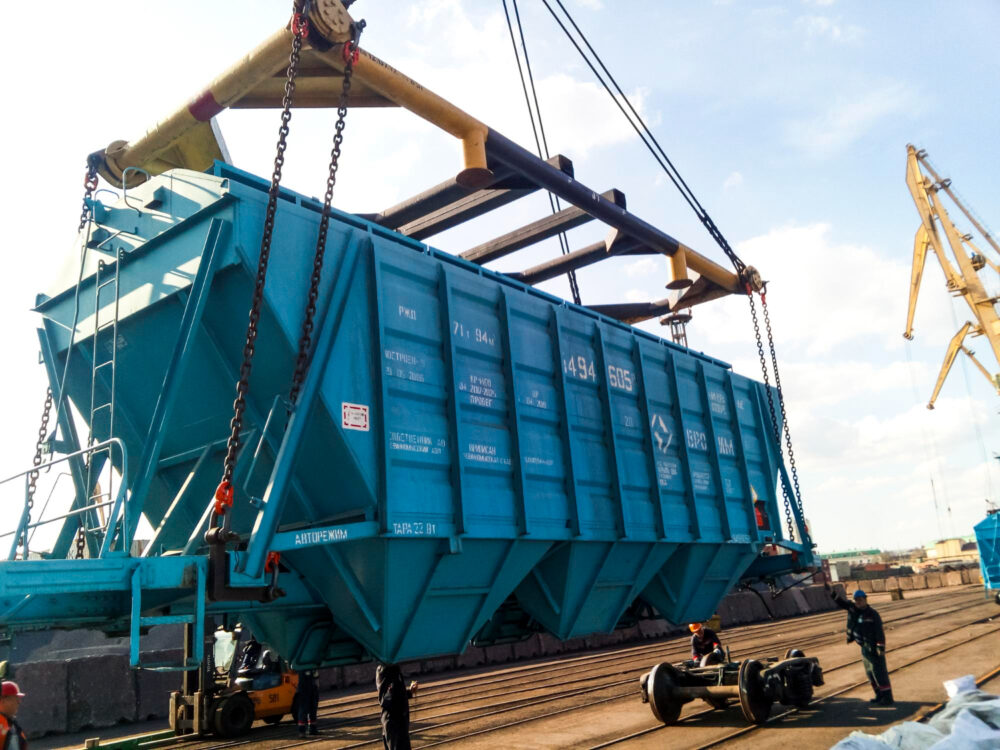
For international transport containers, the IMO Convention for Safe Containers includes regulations for testing, inspection, approval and maintenance; it also sets structural safety requirements and test procedures through its annexes.
Technical Scope of Inspection
1. Structural Frame Inspection
The structural frame is the main load-bearing component of the container or CCU. Any damage to the frame can compromise lifting, stacking or transport safety.
Inspection includes:
- Main frame members.
- Corner posts.
- Top rails and bottom rails.
- Cross members.
- Fork pockets.
- Base frame.
- Roof structure.
- Side structure.
- End frames.
- Structural welds.
- Impact damage.
- Deformation or twisting.
- Corrosion and section loss.
- Cracks and fatigue indications.
Client value: verifies whether the unit can safely withstand handling, transport and lifting loads.
2. Pad Eyes, Lifting Points and Lifting Set Inspection
For offshore CCUs, the lifting arrangement is one of the most critical parts of the inspection. Lifting points and lifting sets must be in good condition, correctly rated and properly certified.
Inspection includes:
- Pad eyes.
- Lifting lugs.
- Shackles.
- Master links.
- Wire rope slings.
- Chain slings.
- Sling identification tags.
- Sling angle suitability.
- Wear and deformation.
- Corrosion.
- Cracks around pad eyes.
- Weld condition.
- Compatibility of lifting set with the CCU.
- Certificate validity and traceability.
Key message: a CCU is only as safe as its lifting points and lifting set.
3. Floor and Internal Condition Inspection
The floor must be capable of supporting the intended cargo safely. Damaged floors can lead to cargo shifting, collapse, water ingress or unsafe loading.
Inspection includes:
- Floor plates or timber floor.
- Floor corrosion.
- Floor deformation.
- Holes, cracks or soft areas.
- Internal cargo securing points.
- Drainage condition.
- Internal cleanliness.
- Sharp edges.
- Cargo contamination risk.
- Evidence of overload.
- Internal structural supports.
For units carrying hazardous materials, chemicals or waste, the internal condition must be carefully assessed to reduce contamination, leakage or compatibility risks.
4. Doors, Hinges, Locks and Seals
Doors and locking systems are essential for cargo containment and transport security. Damaged doors may open during transport or allow water ingress.
Inspection includes:
- Door alignment.
- Door hinges.
- Locking bars.
- Locking cams.
- Handles.
- Gaskets and seals.
- Door frame condition.
- Corrosion.
- Damage or distortion.
- Ease of opening and closing.
- Security locking points.
- Water tightness indicators.
Client value: helps prevent cargo loss, water damage, unsafe manual handling and transport delays.
5. Corrosion and Coating Inspection
Containers and CCUs are exposed to aggressive environments, especially in offshore, marine, coastal, mining and industrial areas. Corrosion can reduce structural strength and shorten service life.
Inspection includes:
- General corrosion.
- Pitting corrosion.
- Corrosion around welds.
- Corrosion in floor and base structure.
- Corrosion on pad eyes and lifting lugs.
- Coating breakdown.
- Rust staining.
- Marine environment damage.
- Areas requiring repair, blasting or repainting.
For offshore units, corrosion assessment is especially important because repeated sea exposure and deck handling can accelerate deterioration.
6. Weld Inspection and NDT Support
Welded areas are critical because cracks or poor weld quality can affect structural capacity. Where required, TechInspecta can support visual weld inspection and non-destructive testing.
Inspection may include:
- Visual weld inspection.
- Crack detection.
- Magnetic Particle Testing.
- Dye Penetrant Testing.
- Ultrasonic Testing.
- Thickness measurement.
- Weld repair verification.
- NDT after repair or modification.
NDT may be required after impact damage, structural repair, pad eye repair, suspected cracking or periodic inspection requirements.
7. Markings, Data Plates and Identification Verification
Correct identification and marking are essential for traceability and safe use.
Inspection includes verification of:
- Container identification number.
- Owner markings.
- Tare weight.
- Maximum gross mass.
- Payload.
- Date of manufacture.
- Inspection date.
- Next inspection due date.
- Certification plate.
- Offshore certification plate, where applicable.
- CSC plate, where applicable.
- Lifting set identification.
- Colour coding or inspection status.
The Convention for Safe Containers sets procedures for containers used in international transport to be safety-approved by an Administration or authorized organization, after which a Safety Approval Plate containing relevant technical data is affixed to the approved container.
8. Documentation and Certification Review
Physical inspection must be supported by valid documentation. TechInspecta can verify whether container records, lifting certificates and inspection documents match the actual equipment.
Documentation review may include:
- Container certificate.
- Offshore container certificate.
- Lifting set certificate.
- CSC documentation, where applicable.
- Previous inspection reports.
- Repair records.
- NDT reports.
- Load test records.
- Manufacturer data book.
- Equipment register.
- Serial number traceability.
- Test certificates.
- Modification records.
- Inspection due date records.
Client value: improves compliance, prevents rejected units and supports audit readiness.
9. Damage Assessment and Repair Verification
Containers and CCUs may be damaged during transport, lifting, stacking, loading, unloading or offshore handling. TechInspecta can assess damage and verify repairs before the unit returns to service.
Assessment may include:
- Impact damage.
- Bent structural members.
- Cracked welds.
- Damaged pad eyes.
- Damaged fork pockets.
- Door damage.
- Floor damage.
- Corrosion-related section loss.
- Distorted frame.
- Missing or damaged plates.
- Damaged lifting sets.
- Post-repair inspection.
- Post-repair NDT.
- Repair documentation verification.
ISO 10855-3 includes inspection requirements following damage and repair of offshore containers.
10. Cargo Securing and CTU Condition Awareness
Where applicable, TechInspecta can support cargo transport unit condition checks and cargo securing awareness. This is especially relevant for containers used in logistics, ports, marine transport and industrial supply chains.
The IMO/ILO/UNECE CTU Code applies throughout the intermodal transport chain and provides guidance for loading and securing cargo in containers and other transport units, including training and dangerous goods considerations.
Inspection and awareness may include:
- Internal securing points.
- Lashing points.
- Cargo restraint condition.
- Load distribution.
- Condition before packing.
- Door security.
- Damage affecting cargo integrity.
- Suitability of container for cargo type.
- Dangerous goods awareness, where applicable.
Common Defects Found During Inspection
TechInspecta’s inspection service helps identify defects such as:
- Bent or twisted frames.
- Cracked structural welds.
- Damaged pad eyes.
- Deformed lifting lugs.
- Corroded base frames.
- Damaged fork pockets.
- Rotten or damaged floors.
- Door misalignment.
- Broken hinges or locking bars.
- Missing safety plates.
- Illegible markings.
- Expired inspection status.
- Missing lifting set certificates.
- Damaged slings or shackles.
- Missing identification tags.
- Holes in roof or side panels.
- Severe pitting corrosion.
- Evidence of overload.
- Poor unauthorized repairs.
- Structural damage after impact.
Early identification of these defects helps prevent unsafe containers from entering offshore or onshore operations.
Certification Support and Inspection Deliverables
Depending on client requirements and TechInspecta’s authorized scope, our services may include inspection certificates, condition reports or certification support in accordance with applicable standards and client procedures.
TechInspecta may provide:
- Container integrity inspection report.
- CCU inspection report.
- Offshore container inspection report.
- Lifting set inspection report.
- Visual inspection checklist.
- NDT reports, where applicable.
- Thickness measurement records.
- Photographic defect register.
- Damage assessment report.
- Repair verification report.
- Certification status review.
- Equipment register update.
- Rejected/quarantined unit list.
- Recommendations for repair, re-inspection or removal from service.
- Final inspection dossier.
Applicable Standards and References
Depending on the type of unit and client requirements, inspections may be aligned with:
- DNV-ST-E271 / DNV 2.7-1 — offshore containers and lifting sets.
- ISO 10855 series — offshore containers and associated lifting sets.
- EN 12079 series — offshore containers and associated lifting sets.
- CSC Convention — international freight container safety approval.
- IMO/ILO/UNECE CTU Code — packing and securing of cargo transport units.
- IMDG Code — dangerous goods transport requirements, where applicable.
- Client specifications and offshore logistics procedures.
DNV-ST-E271 is currently presented by DNV as a standard for approval and certification of offshore containers and lifting sets, with requirements for new-build and in-service containers, including manufacturing, testing, marking and periodic inspection.
Industries Served
TechInspecta provides Container Integrity Inspection & Certification Services for:
- Oil & gas.
- Offshore logistics.
- Marine support operations.
- Ports and terminals.
- Mining.
- Construction.
- Power generation.
- Petrochemical plants.
- Fuel terminals.
- Industrial maintenance.
- Warehousing and logistics.
- Fabrication yards.
- Shutdown and turnaround projects.
- Onshore and offshore supply bases.
Benefits to the Client
TechInspecta’s Offshore & Onshore Container Integrity Inspection service helps organizations:
- Improve lifting and transport safety.
- Reduce risk of dropped containers and cargo.
- Prevent use of damaged or uncertified CCUs.
- Improve offshore logistics reliability.
- Maintain traceable inspection records.
- Support compliance with client and industry requirements.
- Reduce cargo rejection and operational delays.
- Identify defects before failure occurs.
- Improve control of container fleets.
- Extend service life of containers and CCUs.
- Protect personnel, cargo, vessels and offshore installations.
- Strengthen contractor and supplier quality control.