
Forklift & Telehandler Operators Training
We train workers to identify fire hazards, understand fire classes, select the correct extinguisher, respond safely to early-stage fires and follow emergency evacuation procedures.
- Home
- Lq-project
- Forklift & Telehandler Operators
Forklift & Telehandler Operator Training in Mozambique
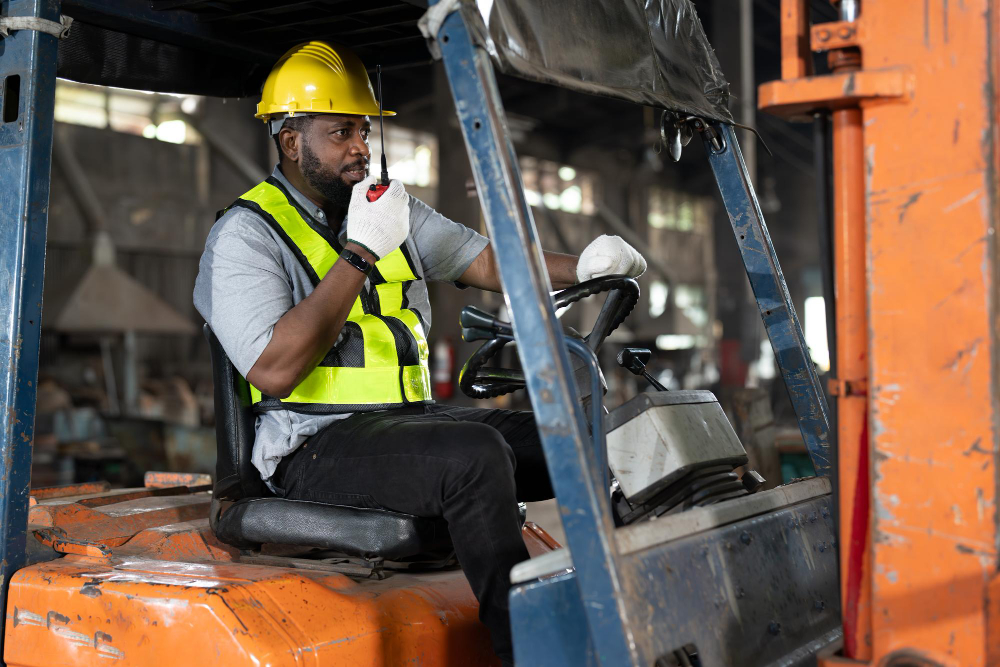
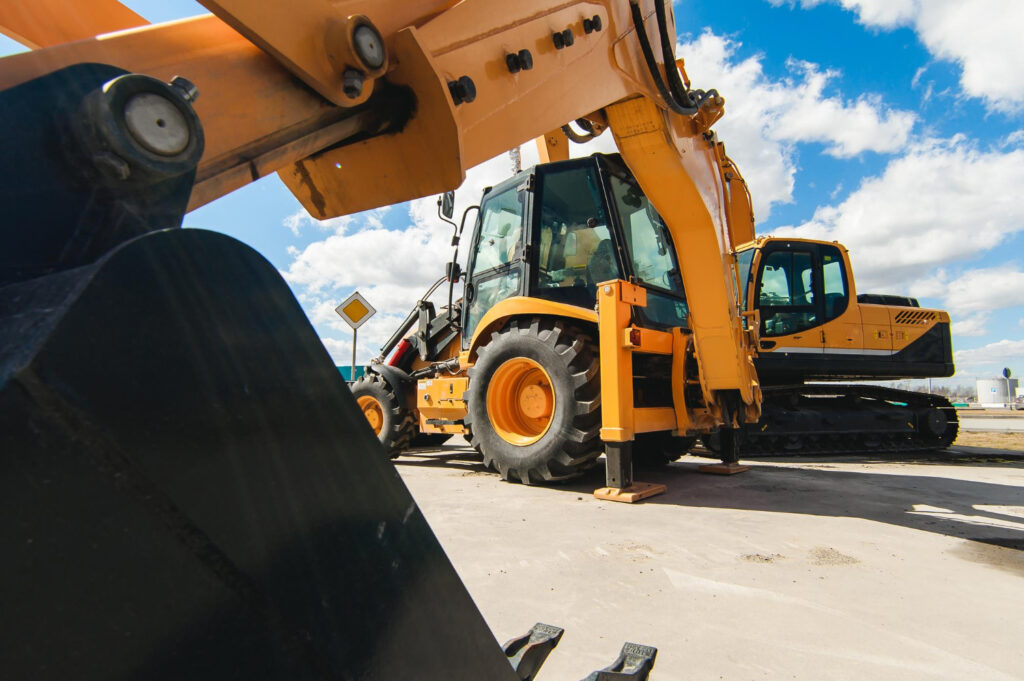
TechInspecta provides professional Forklift & Telehandler Operators training and competency assessment in Mozambique for industrial, construction, logistics, mining, oil and gas, and warehouse operations. Our training focuses on safe equipment operation, pre-use inspection, load handling, stability awareness, hazard identification, workplace safety, and practical operator competence to help clients reduce accidents and improve operational efficiency.
TechInspecta provides Forklift and Telehandler Operator Training for personnel responsible for lifting, moving, transporting, stacking and positioning loads safely in industrial environments.
Forklifts and telehandlers are essential equipment in construction sites, ports, warehouses, mining operations, oil & gas yards, logistics facilities, manufacturing plants and industrial maintenance projects. However, when operated incorrectly, they can cause serious incidents such as overturning, collisions, dropped loads, crushed personnel, equipment damage and property loss.
This training is designed to develop the operator’s knowledge and practical competence in safe machine operation, load handling, stability control, pre-use inspection, workplace traffic safety and emergency response. HSE guidance on lift trucks emphasizes the importance of operator training, thorough examination and safe management of lift truck operations, while OSHA requires powered industrial truck operators to be trained and evaluated by competent persons.
Purpose of the Training
The purpose of TechInspecta’s Forklift / Telehandler Operator Training is to ensure that operators can use the equipment safely, efficiently and in accordance with site safety requirements.
The training helps participants understand how to:
- Inspect forklifts and telehandlers before use.
- Understand machine controls, warning devices and safety systems.
- Lift, carry, transport and place loads safely.
- Read and understand load charts.
- Maintain stability while lifting and travelling.
- Avoid overloading and unsafe load positioning.
- Work safely around pedestrians, vehicles and structures.
- Identify blind spots and visibility limitations.
- Operate safely on slopes, ramps and uneven ground.
- Park, shut down and secure the machine correctly.
- Report defects and unsafe conditions.
HSE guidance for telehandlers highlights the need to separate pedestrians and vehicles and provide safe, hazard-free traffic routes for vehicle operations.
Covered Training Modules
1. Introduction to Forklifts and Telehandlers
Participants are introduced to the different types of forklifts and telehandlers used in industrial environments, including their functions, limitations and typical applications.
Training covers:
- Counterbalance forklifts.
- Rough terrain forklifts.
- Reach trucks.
- Telescopic handlers.
- Fork attachments.
- Material handling attachments.
- Load handling applications.
- Differences between forklifts and telehandlers.
- Typical workplace hazards.
Forklifts are commonly used for lifting and transporting palletized loads, while telehandlers are used where extended reach, height or rough-terrain capability is required.
2. Legal Requirements, Standards and Site Rules
This module explains the legal and procedural requirements related to forklift and telehandler operation.
Participants learn that operators must be trained, authorized and competent before using the equipment. OSHA states that only trained and competent operators are permitted to operate powered industrial trucks, and that operator training and evaluation are required.
Training covers:
- Operator authorization.
- Employer and supervisor responsibilities.
- Site-specific operating procedures.
- Workplace transport rules.
- Speed limits and traffic routes.
- Safe use of attachments.
- Reporting unsafe equipment.
- Defect reporting procedures.
- Stop-work authority.
3. Pre-Use Inspection and Safety Checks
Before operating a forklift or telehandler, the operator must inspect the machine to confirm that it is safe for use.
Inspection points include:
- Tyres and wheels.
- Forks and fork carriage.
- Mast, boom or lifting mechanism.
- Hydraulic hoses and cylinders.
- Fluid leaks.
- Brakes and steering.
- Lights, horn and warning alarms.
- Seat belt.
- Mirrors and cameras.
- Load backrest.
- Attachment locking system.
- Operator cab condition.
- Fire extinguisher, where fitted.
- Warning lights and dashboard indicators.
The operator must not use equipment with serious defects. Unsafe machines should be isolated, reported and repaired before being returned to service.
4. Understanding Load Capacity and Load Charts
Forklift and telehandler operators must understand that every machine has a rated capacity, and that capacity changes depending on load position, lifting height, boom extension, attachment type and operating conditions.
This is especially important for telehandlers because their capacity can reduce significantly as the boom extends or raises. HSE guidance for telehandlers highlights stability and safe traffic routes as key safety issues, and telehandler safety guidance notes that ground conditions affect the stability of the machine and load.
Training covers:
- Safe Working Load.
- Working Load Limit.
- Load centre.
- Load charts.
- Rated capacity.
- Boom extension effect.
- Fork position.
- Attachment effect on capacity.
- Dynamic loading.
- Load stability.
- Overload prevention.
Key info: operators must never guess lifting capacity. The load chart and manufacturer’s instructions must always be followed.
5. Load Weight and Centre of Gravity
Operators learn how to assess the weight and balance of a load before lifting.
A load may become unstable if its centre of gravity is not central, if the load is not secured, or if the load is lifted too high during travel.
Training covers:
- Establishing load weight.
- Reading load labels and delivery documents.
- Understanding load centre.
- Identifying offset loads.
- Handling irregular loads.
- Checking load stability.
- Avoiding unstable or damaged pallets.
- Securing loose materials.
- Recognizing when lifting is unsafe.
This module helps prevent dropped loads, machine instability and overturning.
6. Safe Lifting and Load Handling
Participants are trained in safe lifting, carrying, placing and stacking techniques.
Training covers:
- Correct approach to the load.
- Fork spacing and positioning.
- Inserting forks fully under the load.
- Tilting the mast correctly.
- Keeping the load stable.
- Travelling with the load low.
- Avoiding sudden braking or sharp turning.
- Positioning loads accurately.
- Stacking and de-stacking.
- Loading and unloading trucks.
- Working near racks, containers and structures.
- Avoiding people under raised loads.
For telehandlers, additional attention is given to boom extension, boom height, stabilizers, outriggers and safe positioning before lifting.
7. Travelling Safely With Loads
Moving with a load is one of the most common risk areas for forklift and telehandler operations. Operators must maintain visibility, control speed and keep the machine stable.
Training covers:
- Travelling with forks or load low.
- Maintaining clear visibility.
- Travelling in reverse when the load blocks forward view.
- Using mirrors and cameras.
- Sounding the horn at blind corners.
- Keeping safe distance from pedestrians.
- Avoiding sudden movements.
- Driving on ramps and slopes.
- Avoiding travel with raised loads.
- Reducing speed in congested areas.
HSE advises that when a load blocks forward vision, it may be safer to travel in reverse, and operators should take extra care where people cannot be fully excluded from the work area.
8. Stability and Overturn Prevention
Forklifts and telehandlers can overturn if operated incorrectly. This module teaches participants how to maintain stability and avoid rollover incidents.
Training covers:
- Stability triangle.
- Centre of gravity.
- Load height and machine balance.
- Turning with loads.
- Operating on slopes.
- Ground condition assessment.
- Effect of speed on stability.
- Boom extension and telehandler stability.
- Side loading risks.
- Suspended load hazards.
- Seat belt use.
- ROPS and FOPS awareness.
Key info: the higher and further forward the load is, the greater the instability risk, especially when turning, braking or operating on uneven ground.
9. Workplace Traffic Management
Forklift and telehandler safety depends not only on the operator, but also on the work environment.
Training covers:
- Vehicle and pedestrian segregation.
- Traffic routes.
- One-way systems.
- Speed control.
- Blind corners.
- Loading zones.
- Reversing areas.
- Signage and warning lights.
- Exclusion zones.
- Banksman and spotter use.
- Parking areas.
- Working near other mobile equipment.
HSE workplace transport guidance emphasizes controlling risks where vehicles are used at work, including safe routes and separation of people from moving vehicles.
10. Working With Attachments
Forklifts and telehandlers may use different attachments depending on the task. Operators must understand that attachments can change the equipment’s capacity, stability and handling behaviour.
Training covers:
- Forks.
- Buckets.
- Jibs.
- Lifting hooks.
- Man baskets, where legally permitted and approved.
- Fork extensions.
- Clamps.
- Material handling arms.
- Quick couplers.
- Attachment inspection.
- Attachment locking verification.
- Manufacturer approval.
- Load chart changes caused by attachments.
Only suitable and approved attachments should be used, and operators must never improvise lifting arrangements.
11. Working Around Proximity Hazards
Operators must be able to identify hazards around the work area before and during operation.
Proximity hazards include:
- Pedestrians.
- Other vehicles.
- Overhead power lines.
- Structures and pipe racks.
- Scaffolding.
- Excavations and trenches.
- Quay edges.
- Loading bays.
- Doorways and low-clearance areas.
- Slopes and ramps.
- Uneven or soft ground.
- Poor lighting.
- Dust, rain or reduced visibility.
- Hazardous materials.
- Congested work areas.
The operator must stop the activity when the environment becomes unsafe.
12. Communication and Banksman Support
Clear communication is essential when visibility is restricted or when operating in busy industrial areas.
Training covers:
- Hand signals.
- Radio communication.
- Working with a banksman.
- Stop signal.
- Emergency communication.
- Reversing communication.
- Loading and unloading communication.
- Communication failure procedures.
- One signal person rule.
The operator must not continue moving if signals are unclear or if the banksman is not visible.
13. Loading and Unloading Trucks
Loading and unloading trucks is one of the most common activities performed by forklift and telehandler operators.
Training covers:
- Checking truck stability.
- Verifying trailer condition.
- Using wheel chocks where required.
- Checking dock plates and ramps.
- Load placement.
- Load distribution.
- Avoiding trailer movement.
- Working near drivers and pedestrians.
- Preventing collision with truck sides.
- Safe reversing from trailers.
- Communication with truck drivers.
This module helps prevent falls from loading docks, trailer instability, dropped loads and collisions.
14. Parking, Shutdown and Securing the Equipment
At the end of operation, the machine must be parked and secured correctly.
Training covers:
- Parking on level ground.
- Lowering forks, boom or attachment.
- Neutralizing controls.
- Applying parking brake.
- Switching off the engine.
- Removing the key.
- Securing the machine.
- Refuelling or battery charging precautions.
- Reporting defects.
- Post-use inspection.
Correct shutdown prevents unintended movement, unauthorized use and equipment damage.
Practical Training Components
Depending on client requirements, TechInspecta can include practical exercises such as:
- Pre-use inspection.
- Operator controls familiarization.
- Starting and stopping safely.
- Forward and reverse travel.
- Steering and manoeuvring.
- Picking and placing loads.
- Travelling with loads.
- Stacking and de-stacking.
- Loading and unloading trucks.
- Telehandler boom operation.
- Reading load charts.
- Working with a banksman.
- Parking and shutdown.
- Practical operator assessment.
Who Should Attend?
This training is suitable for:
- Forklift operators.
- Telehandler operators.
- Warehouse operators.
- Yard operators.
- Port and terminal workers.
- Construction workers.
- Oil & gas yard personnel.
- Mining workers.
- Logistics workers.
- Industrial maintenance teams.
- Contractors.
- Supervisors responsible for mobile equipment.
- HSE officers involved in workplace transport safety.
Industries Served
TechInspecta can deliver Forklift / Telehandler Operator Training for:
- Oil & gas.
- Construction.
- Ports and marine terminals.
- Mining.
- Manufacturing.
- Warehousing and logistics.
- Petrochemical plants.
- Fuel terminals.
- Power generation.
- Industrial maintenance projects.
- Bulk material handling facilities.
Benefits to the Client
TechInspecta’s Forklift / Telehandler Operator Training helps organizations:
- Reduce vehicle-related accidents.
- Prevent overturns, collisions and dropped loads.
- Improve operator competence.
- Improve workplace transport safety.
- Reduce equipment and property damage.
- Improve loading and material handling efficiency.
- Strengthen compliance with safety procedures.
- Improve pedestrian and vehicle segregation.
- Reduce downtime caused by misuse or incidents.
- Build a stronger industrial safety culture.
Training Deliverables
TechInspecta may provide:
- Training presentation.
- Practical demonstration.
- Operator assessment.
- Attendance register.
- Training certificates.
- Pre-use inspection checklist.
- Operator safety checklist.
- Load handling checklist.
- Practical exercise records.
- Site-specific recommendations, where applicable.
- Final training report for the client.