
Cherry Picker Operator Training
Our training helps operators work safely at height, prevent falls, avoid overturning, control dropped-object risks and operate cherry pickers safely in construction, oil & gas, ports, mining, manufacturing, warehouses and industrial sites.
- Home
- Lq-project
- Cherry Picker Operator
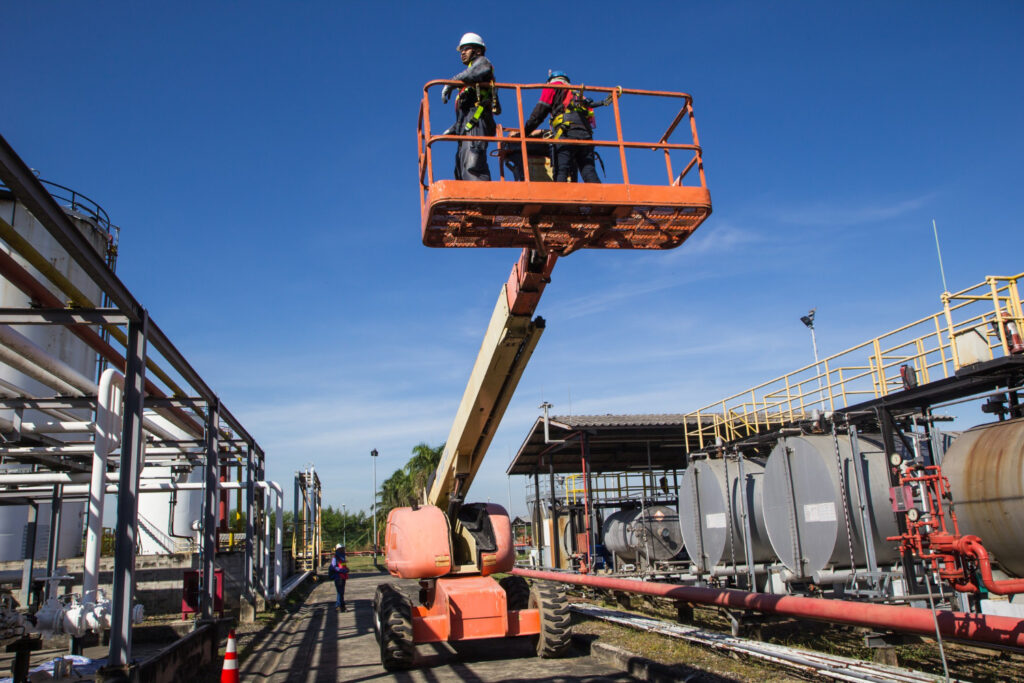
Cherry Picker Operators Training
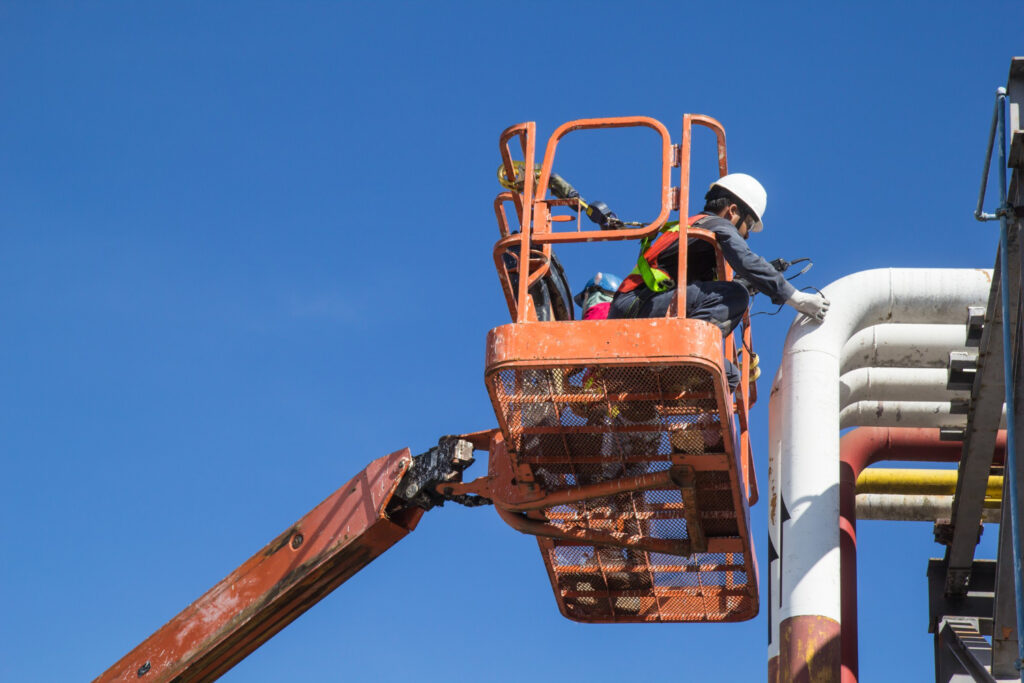
TechInspecta provides professional Cherry Picker Operators Training in Mozambique for construction, oil and gas, mining, port, manufacturing, facility maintenance, and industrial work environments. Our training is designed to help operators understand safe equipment operation, pre-use inspection, working at height risks, fall protection requirements, emergency procedures, load limitations, ground conditions, and safe working practices when using cherry pickers and mobile elevating work platforms.
Cherry pickers are widely used for elevated work activities such as maintenance, inspection, installation, painting, cleaning, electrical works, mechanical works, and construction tasks. However, improper operation can lead to serious accidents, including falls from height, overturning, collision, entrapment, electrocution, and equipment damage.
TechInspecta’s Cherry Picker Operators Training helps companies ensure that operators are competent, safety-conscious, and capable of operating the equipment in accordance with site requirements, manufacturer instructions, and workplace safety procedures.
Why Cherry Picker Operator Training Is Critical
The purpose of TechInspecta’s Forklift / Telehandler Operator Training is to ensure that operators can use the equipment safely, efficiently and in accordance with site safety requirements.
The training helps participants understand how to:
- Inspect forklifts and telehandlers before use.
- Understand machine controls, warning devices and safety systems.
- Lift, carry, transport and place loads safely.
- Read and understand load charts.
- Maintain stability while lifting and travelling.
- Avoid overloading and unsafe load positioning.
- Work safely around pedestrians, vehicles and structures.
- Identify blind spots and visibility limitations.
- Operate safely on slopes, ramps and uneven ground.
- Park, shut down and secure the machine correctly.
- Report defects and unsafe conditions.
HSE guidance for telehandlers highlights the need to separate pedestrians and vehicles and provide safe, hazard-free traffic routes for vehicle operations.
Covered Training Modules
The main objective of TechInspecta’s Cherry Picker Operator Training is to ensure that participants are able to operate cherry pickers safely, confidently and in accordance with site safety requirements.
After completing the training, participants should be able to:
- Identify the main hazards associated with cherry picker operation.
- Conduct proper pre-use inspection before operating the equipment.
- Understand the function of platform controls and ground controls.
- Assess ground conditions before positioning the machine.
- Operate the boom safely without causing instability or collision.
- Understand platform load capacity and equipment limitations.
- Use fall protection equipment correctly.
- Prevent falls, entrapment, overturning and dropped-object incidents.
- Establish safe exclusion zones below the work area.
- Communicate effectively with ground personnel and supervisors.
- Apply emergency lowering procedures when required.
- Park, isolate and secure the machine after use.
- Report equipment defects and unsafe operating conditions.
Technical Training Content
1. Equipment Familiarization
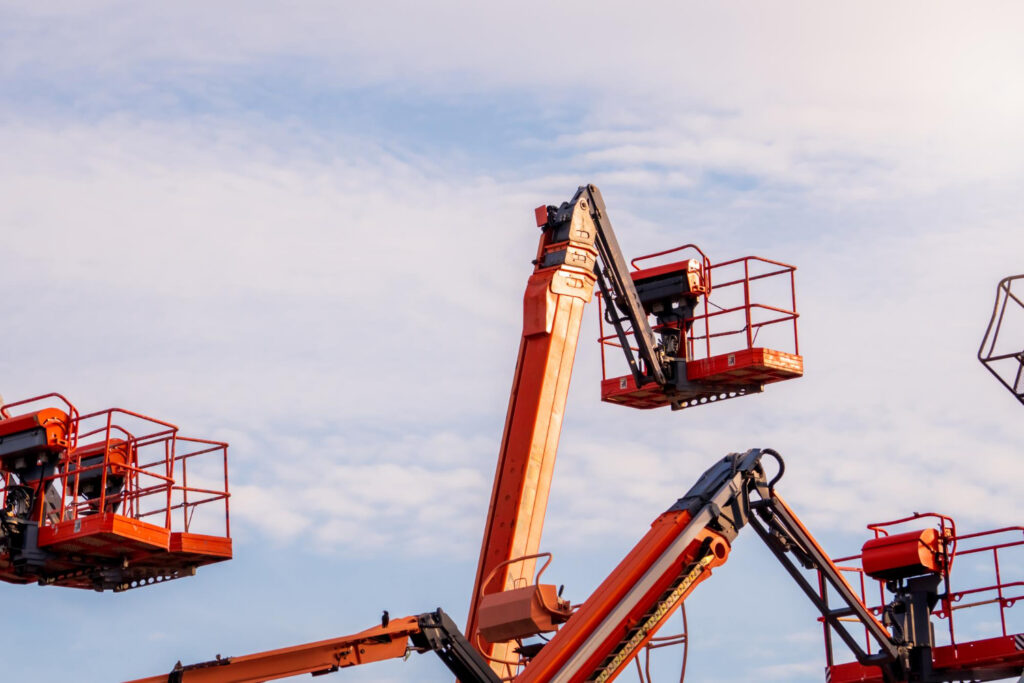
Participants are introduced to the main components, functions and limitations of cherry pickers and boom-type Mobile Elevating Work Platforms.
The training covers:
- Articulating boom lifts.
- Telescopic boom lifts.
- Truck-mounted cherry pickers.
- Trailer-mounted access platforms.
- Platform/basket assembly.
- Boom structure and hydraulic system.
- Ground controls and platform controls.
- Emergency stop systems.
- Emergency lowering system.
- Outriggers, stabilizers and spreader pads.
- Warning alarms, beacons and safety devices.
- Platform anchor points for fall protection.
This module ensures that operators understand how the machine works before attempting to operate it in a live work environment.
2. Pre-Use Inspection and Equipment Condition Check
A cherry picker must be inspected before use to confirm that it is safe and fit for operation. TechInspecta trains operators to perform a systematic walk-around inspection and functional check.
Inspection includes:
- Checking tyres, wheels or tracks.
- Inspecting outriggers and stabilizers.
- Verifying hydraulic hoses, cylinders and fittings.
- Checking for oil, fuel or hydraulic leaks.
- Inspecting boom sections for cracks, deformation or damage.
- Checking the basket, guardrails, gate and floor condition.
- Verifying platform load rating.
- Checking emergency stop buttons.
- Testing platform and ground controls.
- Checking alarms, lights, horn and warning devices.
- Verifying emergency lowering function.
- Inspecting fall protection anchor points.
- Checking battery, fuel or power supply condition.
- Confirming the presence of operating manual and safety decals.
Operators are trained to understand that any serious defect must be reported immediately and the equipment must not be used until it is declared safe.
3. Worksite Risk Assessment Before Operation
Before elevating the platform, the operator must assess the work area. Many cherry picker accidents occur not because of equipment failure, but because the machine was positioned in an unsafe environment.
TechInspecta trains operators to assess:
- Ground bearing capacity.
- Soft, uneven or unstable ground.
- Slopes and gradients.
- Excavations, trenches and open edges.
- Underground services and manholes.
- Overhead power lines.
- Pipe racks and steel structures.
- Moving vehicles and mobile equipment.
- Pedestrian movement.
- Wind and weather conditions.
- Low visibility and poor lighting.
- Simultaneous operations.
- Falling-object exposure.
- Emergency access and escape routes.
This helps the client ensure that operators make safe decisions before work begins, not only after the platform is already elevated.
4. Safe Positioning and Machine Setup
Correct positioning is essential for preventing overturning, collision and unsafe boom movement.
The training covers:
- Selecting a firm, level and stable surface.
- Maintaining safe distance from excavations and edges.
- Correct deployment of outriggers or stabilizers.
- Use of spreader pads where required.
- Confirming full machine stability before elevation.
- Checking the boom operating envelope.
- Avoiding overhead obstructions.
- Establishing exclusion zones.
- Preventing unauthorized access around the machine.
- Ensuring the operator has a clear emergency lowering plan.
This module is particularly important for construction sites, industrial plants, warehouses, ports and oil & gas facilities where ground conditions and work activities can change quickly.
5. Safe Operation of Boom and Platform Controls
Operators are trained to control the machine smoothly and safely while elevated. Sudden or incorrect movement can create instability, collision risk or worker ejection from the platform.
The training covers:
- Safe start-up procedure.
- Use of platform control panel.
- Use of ground control panel.
- Raising and lowering the boom.
- Extending and retracting the boom.
- Slewing or rotating the platform.
- Controlling movement speed.
- Avoiding sudden acceleration or braking.
- Maintaining safe clearance from structures.
- Avoiding overreaching outside the basket.
- Keeping both feet on the platform floor.
- Avoiding climbing on guardrails.
- Maintaining three points of contact when entering and exiting.
The focus is on controlled, deliberate and safe operation rather than simply moving the machine.
6. Platform Capacity and Load Management
Overloading a cherry picker can compromise stability and cause structural or mechanical failure. Operators must understand the rated platform capacity and how the weight of personnel, tools and materials affects safe operation.
The training covers:
- Maximum platform capacity.
- Number of persons allowed in the basket.
- Weight of tools and materials.
- Load distribution inside the basket.
- Effect of boom extension on stability.
- Wind loading.
- Side loading risks.
- Prohibition of lifting suspended loads unless specifically approved.
- Prohibition of using the platform as a crane.
- Manufacturer load limitations.
This module helps prevent misuse of the equipment and protects the client from unsafe work-at-height practices.
7. Fall Protection and Personal Safety
Cherry picker operation exposes workers to fall hazards, especially during platform movement, sudden impact or emergency conditions. TechInspecta trains participants on correct fall protection practices.
The training covers:
- Full-body harness inspection.
- Correct fitting of harness.
- Lanyard selection.
- Fall restraint versus fall arrest.
- Approved anchor points.
- Avoiding attachment to external structures.
- Preventing ejection from the basket.
- Rescue planning after a fall.
- Suspension trauma awareness.
- Safe entry and exit from the platform.
The training reinforces that fall protection is not optional. It is a critical control measure when working at height from boom-type platforms.
8. Entrapment and Crushing Hazard Prevention
Entrapment is one of the most serious hazards during cherry picker operations. It can occur when the operator or worker is caught between the basket and an overhead structure, pipe rack, beam, wall or machine.
The training covers:
- Identifying entrapment zones.
- Maintaining clearance from overhead structures.
- Slow movement near fixed objects.
- Avoiding blind movement.
- Use of ground spotters where required.
- Emergency stop use.
- Emergency lowering response.
- Communication with standby personnel.
- Working safely in congested industrial areas.
This module is highly relevant for warehouses, workshops, refineries, process plants, offshore modules and construction areas with steel structures.
9. Electrical and Overhead Hazard Awareness
Cherry pickers are frequently used near overhead hazards. Contact with energized power lines can be fatal.
The training covers:
- Minimum safe distance from power lines.
- Identification of overhead electrical hazards.
- Working near lighting poles, cables and substations.
- Pipe racks, cranes and overhead steelwork.
- Communication before moving near hazards.
- Weather effects on electrical risk.
- Emergency response after electrical contact.
- Stop-work conditions.
Operators learn to recognize when a task requires additional controls, permits, isolation or supervision.
10. Dropped Object Prevention
When working at height, tools, materials and equipment can fall from the platform and injure people below.
The training covers:
- Tool lanyards.
- Securing materials in the basket.
- Avoiding loose items on the platform floor.
- Exclusion zones below the work area.
- Barricading and signage.
- Communication with workers below.
- Preventing overloading with tools and materials.
- Housekeeping inside the basket.
This is especially important in industrial shutdowns, construction sites, warehouses, ports and oil & gas facilities where multiple teams may be working in the same area.
11. Communication and Ground Support
Safe cherry picker operation often depends on clear coordination between the operator, ground personnel, supervisors and spotters.
The training covers:
- Hand signals.
- Radio communication.
- Emergency stop signal.
- Communication before elevation.
- Communication during platform movement.
- Communication when visibility is restricted.
- Use of a ground spotter.
- One signal person rule.
- Communication failure procedures.
- Control of people around the operating area.
Clear communication reduces the risk of collision, falling objects and unsafe movement.
12. Emergency Lowering and Rescue Procedures
Operators and ground personnel must understand what to do if the platform becomes stuck, the operator becomes incapacitated, or the machine experiences mechanical or power failure.
The training covers:
- Emergency lowering system.
- Ground control operation.
- Emergency stop reset.
- Rescue planning before work starts.
- Response to hydraulic failure.
- Response to power failure.
- Operator incapacitation response.
- Emergency communication.
- Rescue coordination with site emergency team.
- Incident reporting after emergency use.
This module gives clients confidence that their teams are not only trained for normal operation, but also prepared for abnormal conditions.
13. Parking, Shutdown and Post-Use Inspection
At the end of the task, the machine must be returned to a safe condition.
The training covers:
- Lowering and stowing the boom.
- Parking on stable ground.
- Applying brakes.
- Switching off the equipment.
- Removing the key.
- Securing against unauthorized use.
- Battery charging or refuelling precautions.
- Post-use inspection.
- Defect reporting.
- Housekeeping and equipment handover.
Correct shutdown prevents unintended movement, unauthorized operation and damage to the machine.
Who Should Attend?
This training is suitable for:
- Forklift operators.
- Telehandler operators.
- Warehouse operators.
- Yard operators.
- Port and terminal workers.
- Construction workers.
- Oil & gas yard personnel.
- Mining workers.
- Logistics workers.
- Industrial maintenance teams.
- Contractors.
- Supervisors responsible for mobile equipment.
- HSE officers involved in workplace transport safety.
Industries Served
TechInspecta can deliver Forklift / Telehandler Operator Training for:
- Oil & gas.
- Construction.
- Ports and marine terminals.
- Mining.
- Manufacturing.
- Warehousing and logistics.
- Petrochemical plants.
- Fuel terminals.
- Power generation.
- Industrial maintenance projects.
- Bulk material handling facilities.
Benefits to the Client
TechInspecta’s Forklift / Telehandler Operator Training helps organizations:
- Reduce vehicle-related accidents.
- Prevent overturns, collisions and dropped loads.
- Improve operator competence.
- Improve workplace transport safety.
- Reduce equipment and property damage.
- Improve loading and material handling efficiency.
- Strengthen compliance with safety procedures.
- Improve pedestrian and vehicle segregation.
- Reduce downtime caused by misuse or incidents.
- Build a stronger industrial safety culture.
Training Deliverables
TechInspecta may provide:
- Training presentation.
- Practical demonstration.
- Operator assessment.
- Attendance register.
- Training certificates.
- Pre-use inspection checklist.
- Operator safety checklist.
- Load handling checklist.
- Practical exercise records.
- Site-specific recommendations, where applicable.
- Final training report for the client.
Practical Training and Operator Assessment
TechInspecta can include practical training and assessment to verify that participants can apply the knowledge safely in the workplace.
Practical exercises may include:
- Pre-use inspection demonstration.
- Identification of unsafe equipment conditions.
- Ground condition assessment.
- Correct setup and positioning.
- Platform control practice.
- Boom movement control.
- Harness inspection and fitting.
- Establishing exclusion zones.
- Communication with ground personnel.
- Emergency lowering demonstration.
- Parking and shutdown procedure.
- Practical operator competency assessment.
This ensures that the training is not only theoretical, but also directly applicable to real industrial operations.
Who Should Attend?
This training is recommended for:
- Cherry picker operators.
- MEWP operators.
- Maintenance technicians.
- Electrical technicians.
- Mechanical technicians.
- Industrial painters.
- Scaffold inspectors.
- Warehouse maintenance teams.
- Construction workers.
- Port workers.
- Oil & gas workers.
- Mining workers.
- Offshore yard workers.
- Supervisors.
- HSE officers.
- Contractors working at height.
Industries Served
TechInspecta provides Cherry Picker Operator Training for:
- Oil & gas.
- Construction.
- Mining.
- Ports and marine terminals.
- Manufacturing.
- Power generation.
- Warehousing and logistics.
- Petrochemical plants.
- Fuel terminals.
- Offshore yards.
- Industrial maintenance.
- Facility maintenance.
- Shutdown and turnaround projects.
Benefits to the Client
By choosing TechInspecta for Cherry Picker Operator Training, clients benefit from a structured, practical and risk-based training approach that supports safer work at height.
Key benefits include:
- Improved operator competence.
- Reduced risk of falls from height.
- Reduced risk of overturning and collision.
- Better control of entrapment hazards.
- Improved pre-use inspection discipline.
- Safer work near overhead structures and power lines.
- Better emergency preparedness.
- Reduced equipment damage.
- Improved contractor safety performance.
- Stronger compliance with site safety procedures.
- Reduced downtime caused by incidents.
- Improved safety culture across the workforce.