
Lifting Equipment & Loose Lifting Gear Inspection
Book lifting equipment and loose lifting gear inspection in Mozambique for cranes, hoists, slings, shackles and rigging accessories.
- Home
- Lq-project
- Lifting Equipment Inspection
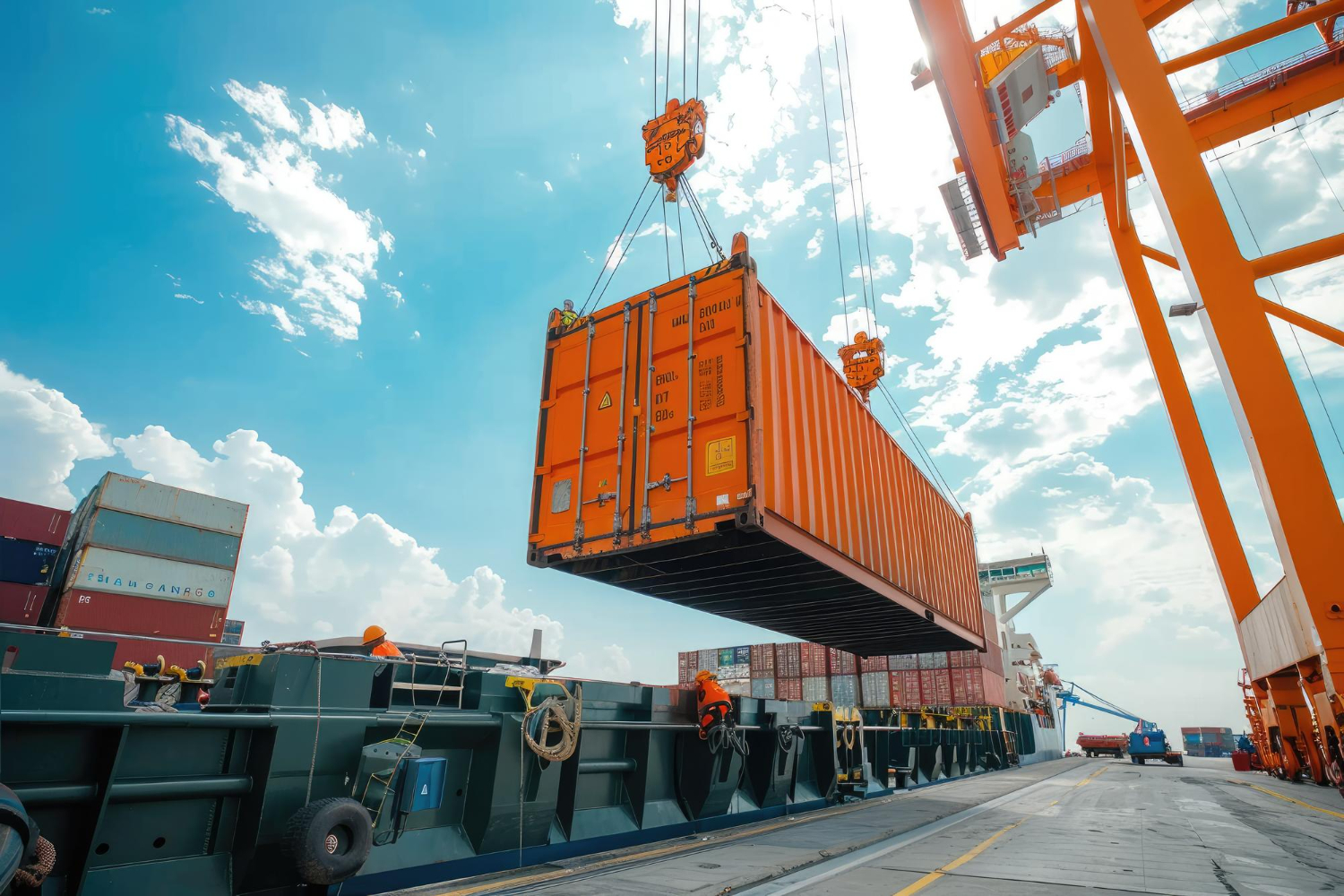
What we do on Lifting Equipment & Loose Lifting Gear Inspection in Mozambique (Cranes, Hoists, Slings, Shackles, Winches, etc.)
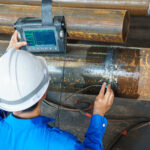
TechInspecta Integrity Services, Lda. provides professional Lifting Equipment & Loose Lifting Gear Inspection in Mozambique for companies that need to protect workers, maintain operational reliability and demonstrate compliance with applicable technical requirements. Our inspection services cover cranes, hoists, lifting beams, slings, shackles, hooks, chain blocks, lever hoists, eyebolts, wire ropes and other accessories used to raise, lower, suspend or position loads. Each inspection is planned around the type of equipment, manufacturer’s instructions, operating environment, service history and the standards specified by the client or project. The objective is not simply to place a sticker on an item; it is to establish whether that item remains identifiable, traceable and technically suitable for continued service.
A damaged lifting accessory can appear acceptable from a distance while carrying serious defects beneath dirt, paint, protective covering or corrosion products. A distorted shackle, cracked hook, cut synthetic sling or worn chain link may continue to function until the load, angle or operating condition exposes its reduced capacity. That is why responsible inspection combines competent visual examination with measurements, functional checks, document review and, where technically justified, non-destructive testing or controlled load testing. International guidance also treats inspection as more than a casual glance. For example, OSHA’s sling requirements call for inspection before use and immediate removal from service when damage or defects are identified; although OSHA is not automatically Mozambican law, this reflects a widely recognised industrial safety principle.
Whether you operate in oil and gas, mining, construction, ports, logistics, manufacturing or power generation, your lifting operations depend on equipment whose condition must be known. TechInspecta helps clients replace assumptions with documented technical evidence.
Contact TechInspecta today at info@techinspecta.com to request a lifting equipment inspection proposal for your facility or project in Mozambique.
Reliable Lifting Inspection for Safer Industrial Operations
Every lifting operation creates a chain of dependency. The crane may be mechanically sound, but the operation can still fail if the sling is damaged, the shackle is undersized, the hook is deformed or the lifting beam has an undetected crack. Think of the lifting system as a physical chain in which the load is supported by the weakest component, not the strongest one. A thorough inspection therefore evaluates individual items while also considering how those items are selected, connected, identified, stored and used within the wider lifting arrangement.
TechInspecta’s approach is designed for clients who require more than a basic visual check. We examine equipment markings, identification numbers, rated capacity, wear, corrosion, deformation, heat damage, mechanical damage, unauthorised repairs and other conditions that may affect serviceability. Where previous records are available, the inspector reviews the equipment history and compares current observations with earlier findings. This provides a stronger basis for determining whether deterioration is stable, progressive or severe enough to justify quarantine.
The inspection scope can also include asset-register verification, identification tagging, colour coding, certificate review and support with inspection planning. These activities help clients control large inventories distributed across workshops, warehouses, construction sites, vessels, drilling areas and processing facilities. The result is a more organised lifting-equipment management system in which each item can be traced to its inspection status and technical record.
Reliable inspection does not mean declaring every item acceptable. It means making defensible decisions based on visible condition, measurements, applicable criteria and professional judgement. When an item presents a significant defect, TechInspecta clearly identifies the finding and recommends appropriate action, such as removal from service, repair by an authorised party, further examination or replacement. Book an inspection before questionable equipment becomes an operational emergency.
What Is Lifting Equipment and Loose Lifting Gear Inspection?
Lifting equipment inspection is the systematic examination of equipment used to lift, lower, suspend or position loads. It aims to identify deterioration, damage, incorrect configuration, missing information or other conditions that could compromise safe operation. The inspection may include documentation review, visual examination, dimensional measurements, mechanical checks, functional testing and specialised NDT techniques. The exact scope depends on the equipment category, service conditions, manufacturer’s requirements and the governing standard or client specification.
A professional inspection also considers whether the equipment can be positively identified. Rated capacity, manufacturer information, serial number, model, material grade and other markings are important because they connect the physical item to its technical documentation. When identification is missing or illegible, it may be impossible to confirm the equipment’s capacity, manufacturing basis or inspection history. An item that looks strong is not necessarily suitable for lifting if its identity and rating cannot be established.
Inspection should not be confused with routine maintenance. Maintenance involves activities such as lubrication, adjustment, component replacement and repair, while inspection independently evaluates condition and suitability. The same organisation may offer both services, but the inspection decision should remain technically impartial. LEEA guidance specifically distinguishes maintenance activities from thorough examination and highlights the importance of competent, independent judgement when determining whether lifting equipment remains safe for service.
TechInspecta adapts each inspection programme to the client’s operation rather than applying a single generic checklist to every item. A wire-rope sling, synthetic round sling, mobile crane and lifting beam do not have identical failure modes. Each requires relevant technical knowledge, suitable acceptance criteria and an inspection method that reflects how the item is constructed and used.
Lifting Equipment Covered by the Service
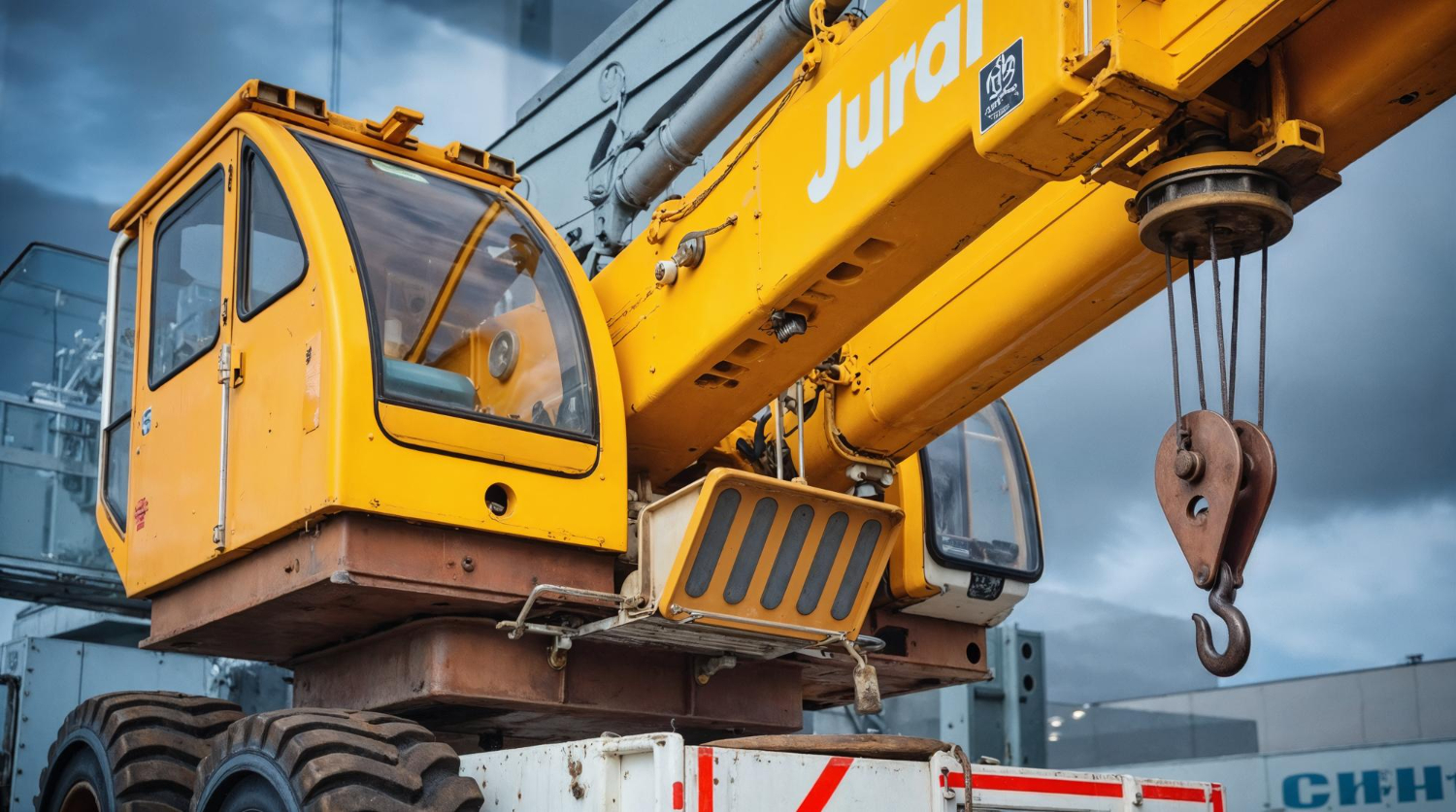
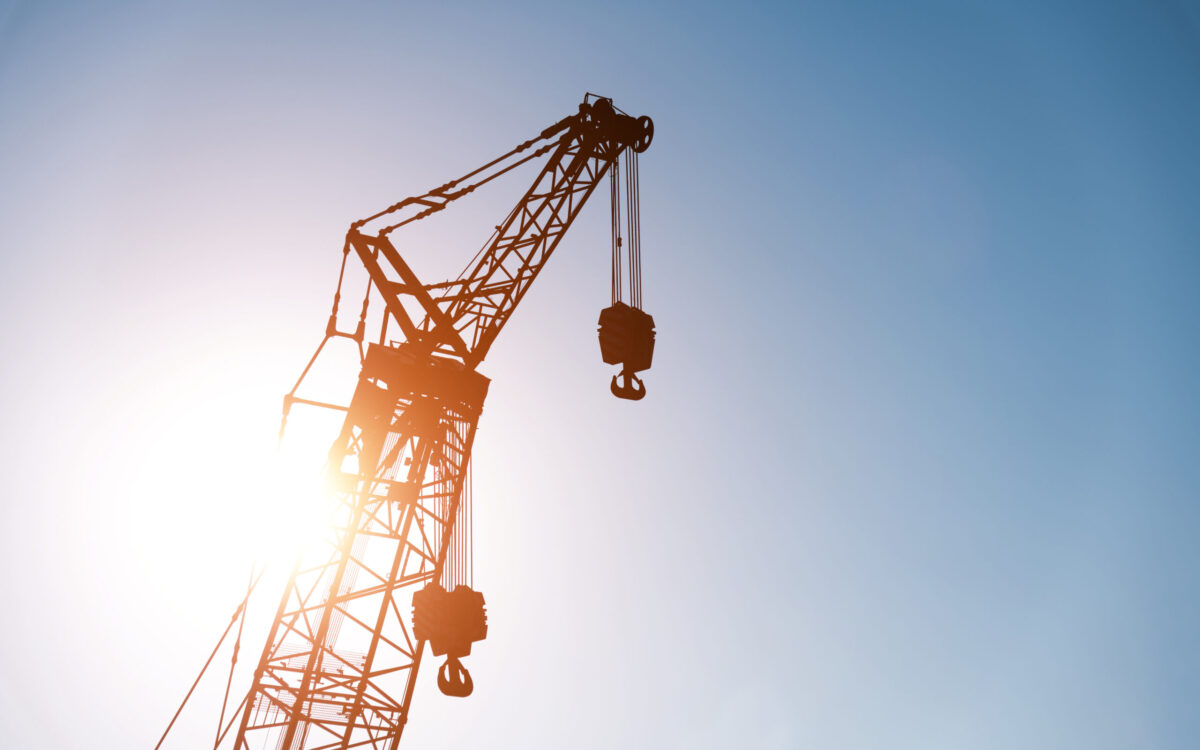
Lifting equipment generally includes machines or devices that perform the lifting or lowering function. Examples include mobile cranes, overhead cranes, gantry cranes, jib cranes, chain blocks, lever hoists, electric hoists, manual hoists, winches and other load-handling systems. Depending on the agreed scope, the inspection may cover supporting structures, load paths, brakes, ropes, sheaves, drums, hooks, controls, limit devices, safety features and accessible structural components.
Different crane types are governed by different technical requirements. ISO 9927-1 establishes general requirements for crane inspections, while more specific parts address particular crane categories. ISO 9927-5, for example, applies specifically to bridge and gantry cranes when used with the general provisions of ISO 9927-1. ASME B30.2 also covers construction, installation, operation, inspection and maintenance requirements for specified overhead and gantry cranes.
An inspection of a crane or hoist may therefore include structural condition, wire-rope condition, hooks, brakes, operating controls, emergency stops, limit switches, warning devices and visible connection points. The inspector may also verify load charts, identification plates and available maintenance or test records. Functional testing can be conducted to confirm that accessible operating and safety functions respond correctly, provided the equipment can be tested safely.
The inspection is limited to accessible components and the agreed technical scope. Components that are enclosed, dismantled only during major maintenance or inaccessible without specialised access should be identified during planning. Where necessary, TechInspecta can coordinate a more detailed examination during shutdowns, maintenance campaigns or planned equipment disassembly.
Loose Lifting Gear and Rigging Accessories
Loose lifting gear refers to detachable accessories used to connect a load to lifting equipment or form part of the lifting arrangement. These items are often moved between locations, stored in rigging lofts and exposed to changing loads, environments and handling practices. Common examples include wire-rope slings, chain slings, synthetic webbing slings, round slings, shackles, hooks, master links, connecting links, eyebolts, swivel hoist rings, turnbuckles, plate clamps, beam clamps, lifting points and rigging blocks.
Because loose lifting gear is portable, its history may be difficult to control without an effective register. A sling may be used by different teams, exposed to sharp edges, overloaded, dragged across the ground or returned to storage without reporting damage. Shackles and other fittings may become mixed with components of different grades or capacities. Identification tags may also be damaged, painted over or removed.
ASME B30.9 includes provisions for the fabrication, attachment, use, inspection, testing and maintenance of several sling types, including alloy-steel chain, wire-rope, metal-mesh, synthetic-rope, synthetic-webbing and polyester round slings. ASME B30.26 addresses detachable rigging hardware such as shackles, rings, swivels, turnbuckles, eyebolts, hoist rings, wire-rope clips, wedge sockets and rigging blocks. Hooks used for load handling are addressed separately by ASME B30.10.
TechInspecta examines each accessory according to its construction and known damage mechanisms. For example, synthetic slings are checked for cuts, abrasion, chemical attack, heat damage, broken stitching and damaged covers, while chain slings require attention to link wear, elongation, distortion and heat exposure. The equipment category determines what must be inspected and how the findings should be interpreted.
Why Lifting Equipment Inspection Is Essential
Lifting operations place loads above people, equipment, vehicles, structures and production systems. When a component fails, the load can fall or shift with little warning, creating the potential for fatal injury, equipment damage, environmental release and prolonged operational disruption. Even when no person is directly beneath the load, sudden movement can expose riggers, banksmen, operators and nearby workers to crushing, trapping or struck-by hazards. The consequences often extend beyond the damaged item itself.
Inspection helps identify deterioration before it reaches a critical stage. Wire ropes can develop broken wires, corrosion, crushing or diameter reduction. Hooks can suffer throat opening, twisting, wear and cracking. Slings may be damaged by sharp edges, heat, chemicals or incorrect hitching. Shackles can become bent, worn or modified, while lifting beams can develop damaged welds, distorted structures or missing identification.
Inspection also supports legal, contractual and insurance responsibilities. Industrial clients are commonly required to maintain equipment records, demonstrate inspection status and provide evidence that lifting accessories are suitable for use. Main contractors, operators and project owners may request certificates, registers and colour-coding systems before equipment is allowed onto the worksite. Without reliable documentation, an otherwise serviceable item may still be rejected because its identity and inspection status cannot be verified.
The value of inspection is therefore both technical and commercial. It helps reduce unplanned stoppages, supports audit readiness, improves asset control and gives supervisors a clearer basis for approving lifting operations. It also provides evidence that the organisation is actively managing foreseeable lifting risks. Request a planned inspection campaign from TechInspecta instead of waiting for equipment to be rejected during a client audit or critical lift.
Equipment and Accessories We Inspect
TechInspecta can develop inspection scopes for individual items, selected equipment groups or complete lifting-equipment inventories. The service can be performed during initial mobilisation, planned shutdowns, periodic inspection campaigns, project close-out activities or equipment re-entry after repair. Before mobilisation, the client should provide an estimated equipment list, site location, operating environment, required standards and any project-specific acceptance criteria.
Typical equipment and accessories include:
- Mobile cranes, overhead cranes, gantry cranes and jib cranes
- Manual chain blocks, electric chain hoists and wire-rope hoists
- Lever hoists, tirfors, winches and pulling equipment
- Wire-rope slings and cable-laid slings
- Alloy-steel chain slings and sling assemblies
- Synthetic webbing slings and endless round slings
- Shackles, master links, connecting links and swivels
- Lifting hooks, sling hooks and eye hooks
- Eyebolts, lifting eyes and swivel hoist rings
- Lifting beams, spreader beams and lifting frames
- Plate clamps, beam clamps and pipe-lifting accessories
- Wire ropes, terminations, sockets and rope fittings
- Chain blocks, trolleys and runway components
- Lifting points, padeyes and accessible welded attachments
- Specially fabricated below-the-hook lifting devices
Below-the-hook devices need particular attention because they may be designed for specific loads, orientations and operating conditions. ASME B30.20 addresses the marking, construction, installation, inspection, testing, maintenance and operation of below-the-hook lifting devices. Its scope includes devices used to attach loads to a hoist, while ASME BTH-1 provides associated design requirements for such devices.
Not every item can be accepted through visual inspection alone. Custom lifting devices may require design documentation, material traceability, weld records, calculations and proof-load-test information. When critical documents are unavailable, TechInspecta records the limitation and advises the client on the additional engineering verification needed to establish suitability.
Industries We Serve Across Mozambique
TechInspecta supports industries in which lifting activities are essential to construction, maintenance, production and logistics. In the oil and gas sector, lifting equipment is used during plant maintenance, drilling support, module installation, pipe handling, shutdowns and offshore or marine operations. Mining operations rely on cranes, hoists, slings and specialised lifting devices to maintain processing plants, workshops, conveyors, pumps and mobile equipment. Construction companies use lifting accessories daily for steel erection, concrete work, mechanical installation and material handling.
Ports, terminals and logistics facilities depend on cranes, spreaders, lifting beams, slings and cargo-handling accessories. Manufacturing plants use overhead cranes, jib cranes, hoists and below-the-hook devices for production and maintenance. Power-generation facilities require lifting equipment for turbines, generators, motors, transformers, valves and other heavy components. Marine, infrastructure and industrial-service contractors also need inspection support when mobilising equipment to client-controlled sites.
Each sector exposes equipment to different conditions. Coastal and offshore environments accelerate corrosion. Mining operations may expose equipment to abrasive dust, impact and intensive use. Fabrication workshops may create risks of heat damage, welding spatter and unauthorised modification, while construction sites can create poor storage conditions and frequent movement between work areas.
TechInspecta adjusts inspection planning to these operational realities. The service can be coordinated with HSE teams, maintenance departments, lifting supervisors, warehouse personnel, project engineers and client representatives. This collaborative approach helps ensure that equipment is available, isolated where necessary and presented in a condition that allows effective inspection.
Whether you need to inspect twenty slings or manage a large mixed inventory, the scope can be scaled to match the project. Send your equipment list to info@techinspecta.com for a tailored quotation and mobilisation plan.
International Standards and Technical Requirements
The applicable standard depends on the equipment type, industry, manufacturer, client specification and jurisdiction. TechInspecta does not apply every listed standard to every item. Instead, the inspection basis is established during scope review so that the correct technical requirements are used. The edition stated in the contract, equipment documentation or project specification should be confirmed before work begins.
For cranes, ISO 9927-1 provides general crane-inspection requirements. ISO 4309 establishes principles for the care, maintenance, inspection and discard of steel wire ropes used on cranes and hoists. These standards may be supplemented by equipment-specific ISO requirements, manufacturer instructions and project criteria.
Relevant ASME standards may include:
| Standard | Typical Application |
|---|---|
| ASME B30.2 | Overhead and gantry cranes |
| ASME B30.9 | Chain, wire-rope and synthetic slings |
| ASME B30.10 | Load-handling hooks |
| ASME B30.20 | Below-the-hook lifting devices |
| ASME B30.26 | Shackles, eyebolts, hoist rings and rigging hardware |
| ASME BTH-1 | Design of below-the-hook lifting devices |
ASME confirms that B30.9 covers sling fabrication, attachment, use, inspection, testing and maintenance; B30.20 addresses below-the-hook devices; and B30.26 covers detachable rigging hardware.
For offshore pedestal-mounted cranes, API Specification 2C addresses crane design and structural considerations, while API Recommended Practice 2D provides principles for operation and maintenance. API also identifies RP 2D-2 as the training companion for offshore crane riggers, operators and inspectors. API requirements are applied where relevant to offshore or petroleum-industry equipment; they are not automatically the correct basis for every land-based lifting accessory.
LEEA’s Code of Practice for the Safe Use of Lifting Equipment, known as COPSULE, provides practical industry guidance on lifting-equipment selection, use, inspection and management. LEEA has released COPSULE Version 10 as an updated edition of its flagship guidance resource. The use of LEEA guidance does not by itself mean that an inspector or company is LEEA certified; any membership or certification claim should be separately verified.
NDT may be used when visual examination indicates a need for further investigation or when specified by the governing procedure. ASTM E709 covers techniques for magnetic-particle testing of ferromagnetic materials, while ASTM E165/E165M covers liquid-penetrant testing for surface-breaking discontinuities. These ASTM documents describe examination methods, but acceptance or rejection must come from the applicable product standard, design code, manufacturer’s criteria or approved client specification.
Our Lifting Equipment Inspection Process
A reliable inspection programme begins before the inspector touches the equipment. TechInspecta first establishes what equipment is included, where it is located, what documentation exists and which standard or acceptance criteria apply. This prevents delays and reduces the risk of producing reports that do not match the client’s contractual requirements. For larger campaigns, equipment can be grouped by type, location, department or operational priority.
The inspection process is risk-based and evidence-driven. It may include visual examination, dimensional checks, functional tests, NDT and load testing, depending on the item and scope. Findings are recorded against the equipment identification so that the physical item can be connected to its report. Items with serious defects should be segregated or clearly quarantined to prevent accidental reuse.
Inspection activities should take place in a safe, controlled area with adequate access, lighting and housekeeping. Equipment may need to be cleaned before examination because grease, paint, scale and dirt can conceal defects. Where the work involves cranes, suspended components, energised systems or working at height, the client and inspection team must establish suitable isolation and access arrangements.
The process is completed with reporting, status identification and recommendations. The final deliverable should allow the client to understand what was examined, what criteria were used, what defects were found and what action is required. TechInspecta can also support follow-up verification after repairs, replacement or further testing.
Stage 1: Planning, Identification and Document Review
The first stage confirms the inspection scope and technical basis. TechInspecta reviews the available equipment list, previous inspection records, certificates, manufacturer documentation, repair records and applicable project specifications. The client should identify any equipment involved in critical lifts, personnel lifting, offshore operations, hazardous environments or severe service because these conditions may require additional controls.
Each item is then matched to a unique identification number or traceable marking. The inspector checks rated capacity, working load limit, manufacturer, model, serial number, material grade and other relevant information. For sling assemblies, the capacity may depend on sling angle, number of legs, hitch configuration and component ratings. The value marked on one component cannot automatically be assumed to represent the capacity of the entire assembly.
Missing or illegible identification is a significant issue. Without reliable markings, the inspector may not be able to confirm the item’s grade, capacity or manufacturing standard. Re-marking should not be performed arbitrarily because incorrect information can create a false sense of security. The item may require manufacturer confirmation, engineering assessment or replacement.
The planning stage also establishes inspection boundaries. If internal components, concealed welds or inaccessible structures cannot be examined, those limitations are recorded. This transparency supports EEAT because it avoids overstating what the inspection has proved.
Stage 2: Visual, Dimensional and NDT Examination
Visual examination is the foundation of most lifting-equipment inspections. The inspector looks for corrosion, wear, cracks, cuts, broken wires, distortion, damaged stitching, heat exposure, chemical attack, unauthorised welding, missing safety devices and other conditions associated with the item’s construction. Good lighting, cleaning and access are essential because defects may be small or hidden by contamination.
Dimensional measurements provide objective evidence when visual judgement alone is insufficient. Hook throat opening, chain-link diameter, shackle wear, wire-rope diameter and other critical dimensions can be compared with original values or applicable discard criteria. Measurements should be taken using suitable, calibrated instruments where accuracy is necessary.
NDT may be used on hooks, shackles, padeyes, lifting beams, welds and other ferromagnetic or nonporous components when required by the procedure. Magnetic-particle testing can reveal surface and near-surface discontinuities in ferromagnetic materials, while liquid-penetrant testing can reveal discontinuities open to the surface. NDT results must be interpreted against an approved acceptance basis rather than treated as automatically acceptable because no obvious crack appears.
An item may pass one type of examination and still be unfit for service. For example, a hook may show no relevant magnetic-particle indication but fail due to excessive wear or deformation. A synthetic sling may have no metallic component requiring NDT yet still need immediate removal because of cuts or heat damage. The complete decision therefore considers all relevant evidence.
Stage 3: Functional Checks and Load Testing
Functional checks confirm whether accessible operating components perform as intended under controlled conditions. Depending on the equipment, this may involve brakes, controls, emergency stops, limit devices, hooks, latches, trolleys, hoisting motions and warning systems. Functional testing should be carried out only when the equipment is safe to operate and the test area is controlled.
Load testing is a separate activity and should not be applied casually. A proof-load test subjects the equipment to a specified load under an approved procedure to verify particular aspects of performance or integrity. The test load, configuration, duration, instrumentation and acceptance criteria must come from the applicable standard, manufacturer, engineering design or client-approved procedure.
Load testing does not replace inspection. An item might withstand a test while still containing deterioration that will continue to grow in service. Repeated or unjustified proof loading can also introduce unnecessary stress, particularly when the equipment’s design history is uncertain. OSHA guidance similarly warns that proof testing must follow applicable manufacturer or equivalent-entity requirements and should not be treated as a routine substitute for inspection.
Before a test, TechInspecta verifies the available documentation, test arrangement, calibrated load-measurement equipment and exclusion-zone requirements. After testing, the equipment should be re-examined for deformation, cracking, functional problems or other adverse effects. Contact TechInspecta to assess whether your equipment needs inspection, functional testing, proof-load testing or a combination of these services.
Stage 4: Reporting, Certification and Asset Control
The final stage converts field observations into usable technical records. Each report should identify the equipment, inspection date, location, examination method, applicable criteria, findings, status and recommended action. Photographs and measurement data may be included where they improve traceability or explain a defect.
Accepted equipment can be linked to a certificate or report and identified according to the client’s agreed tagging or colour-coding system. Colour coding provides a quick visual indication of inspection status, but it should never replace the formal report or equipment register. A painted colour alone does not show what was inspected, what standard was applied or what limitations existed.
Rejected equipment should be clearly segregated, tagged or otherwise controlled to prevent unintended reuse. The report should describe the defect and the required action without creating ambiguity. Some items may be repairable by the manufacturer or an authorised specialist, while others should be destroyed or permanently removed from lifting service.
An inspection certificate reflects the condition found within the scope and at the time of examination. It is not a guarantee that equipment cannot later be damaged, overloaded or misused. The owner and user remain responsible for pre-use checks, proper storage, correct selection and safe operation between periodic inspections. TechInspecta’s documentation is designed to strengthen this management system by providing traceable technical evidence.
Inspection, Thorough Examination and Load Testing Compared
These terms are often used interchangeably, but they describe different activities. Understanding the difference helps clients request the correct service and prevents unnecessary testing or incomplete inspection scopes.
| Activity | Main Purpose | Typical Activities | Common Output |
| Pre-use inspection | Detect obvious damage before use | Visual check, identification check and basic functional observation | User checklist or equipment log |
| Periodic inspection | Assess condition at planned intervals | Visual examination, measurements and functional checks | Inspection report |
| Thorough examination | Detailed assessment by a competent person | Document review, detailed inspection, measurements and additional testing where necessary | Thorough-examination report |
| NDT examination | Detect relevant discontinuities not adequately assessed visually | MT, PT, UT or another approved NDT method | NDT report |
| Proof-load test | Demonstrate performance under a specified test load | Controlled loading, monitoring and post-test examination | Load-test certificate and test record |
| Maintenance | Preserve or restore function | Lubrication, adjustment, repair and component replacement | Maintenance record |
A pre-use check is normally carried out by a trained user before the equipment is placed into service. It does not replace periodic inspection or thorough examination. Likewise, a proof-load test does not automatically prove that an item is free from cracks, wear, corrosion or material degradation.
The correct combination depends on equipment type, service history and governing requirements. New equipment may require documentation verification and commissioning checks, while repaired or modified equipment may require engineering review and proof testing. Equipment exposed to overload, shock loading, fire, chemical attack or an accident should be removed from service and assessed before reuse.
TechInspecta helps clients define the right scope rather than selling load testing as a universal solution. This protects the equipment, controls costs and produces more technically meaningful results.
Lifting Inspection Coverage Across Mozambique
TechInspecta Integrity Services, Lda. supports industrial clients throughout Mozambique through planned mobilisation to operating sites, workshops, warehouses, construction areas and project facilities. Service deployments can be organised for Maputo, Matola, Beira, Nacala, Pemba, Palma, Afungi, Tete, Moatize, Temane and other locations, subject to site access, security, travel arrangements and project requirements.
For remote sites, effective preparation is essential. Clients should provide the equipment inventory, access requirements, induction process, working hours, accommodation arrangements and local contact information before mobilisation. When the number of items is large, TechInspecta can help structure the campaign by equipment group or priority so that critical assets are inspected first.
Inspection can be completed at the client’s facility or at another agreed location where the equipment can be safely presented. Loose lifting gear should be cleaned, laid out and grouped by identification wherever practical. Cranes and installed equipment should be made available with appropriate isolation, access and operator support.
For multi-site clients, TechInspecta can standardise inspection templates and asset-register fields across different locations. This makes reporting more consistent and helps management compare inspection status between departments or projects. Digital registers can also support planning by showing inspection dates, equipment status and outstanding corrective actions.
Request nationwide lifting inspection support through www.techinspecta.com or email info@techinspecta.com with your project location and estimated equipment quantity.
Why Choose TechInspecta Integrity Services, Lda.?
TechInspecta combines mechanical-engineering knowledge, industrial-inspection experience and practical understanding of lifting operations. Our approach is built around technical accuracy, traceability and clear communication. We do not treat inspection as a paperwork exercise or rely on colour coding as the only evidence of compliance.
Clients choose TechInspecta because we offer an integrated service that can combine lifting-equipment inspection with NDT, QA/QC support, welding inspection, asset-integrity services and technical reporting. This reduces the need to coordinate multiple service providers when lifting beams, padeyes, hooks, welded structures or specialised devices require additional examination.
Our reports are designed for practical use by HSE teams, maintenance departments, lifting supervisors, project engineers and auditors. Findings are clearly described, and recommendations distinguish between acceptance, monitoring, further examination, repair and rejection. When a limitation prevents a definitive conclusion, it is recorded rather than hidden.
As a Mozambican company, TechInspecta understands the importance of local mobilisation, responsive communication and alignment with project-specific requirements. We support clients in oil and gas, mining, construction, logistics, marine operations, manufacturing, energy and other critical sectors.
Our focus is not only to identify damaged equipment. We help clients strengthen their entire control process through asset identification, register verification, inspection planning and traceable records. This creates lasting operational value beyond the day of inspection.
Protect your workforce, equipment and project schedule. Contact TechInspecta Integrity Services, Lda. today for a customised lifting inspection quotation.
Conclusion
Professional Lifting Equipment & Loose Lifting Gear Inspection in Mozambique is a critical part of safe, reliable and compliant industrial operations. Cranes, hoists, slings, shackles, hooks, lifting beams and other accessories deteriorate through wear, corrosion, impact, overload, heat, chemicals and improper use. Without competent inspection, these conditions can remain unnoticed until the equipment is loaded.
TechInspecta Integrity Services, Lda. provides a structured inspection service that combines planning, equipment identification, visual examination, dimensional verification, functional checks, NDT and load testing where technically required. Our work is aligned with applicable ISO, ASME, API, ASTM and LEEA requirements, together with manufacturer instructions and client specifications. The exact inspection basis is selected according to the equipment and operating context rather than applied generically.
Clients receive clear reports, traceable findings and practical recommendations that support equipment control and operational decision-making. Whether you need a single crane inspected, a rigging loft audited or a complete lifting-equipment inventory examined across multiple project locations, TechInspecta can develop an appropriate scope.
Do not wait for a dropped load, failed client audit or emergency shutdown to discover that your lifting equipment is not fit for service. Visit www.techinspecta.com or email info@techinspecta.com to request a quotation for lifting equipment and loose lifting gear inspection in Mozambique.
Frequently Asked Questions
A lifting equipment inspection normally includes equipment identification, document review, visual examination, dimensional checks and functional verification where applicable. The inspector checks for wear, corrosion, cracks, distortion, missing markings, damaged safety features and unauthorised modifications. NDT or load testing may be added when specified or technically necessary. The final scope depends on the equipment type, manufacturer’s instructions, applicable standard and client requirements.
Loose lifting gear includes detachable accessories used to connect a load to lifting equipment. Typical examples are wire-rope slings, chain slings, synthetic slings, shackles, hooks, eyebolts, hoist rings, master links, plate clamps and lifting beams. Because these items are portable and frequently moved between work areas, they require strong identification and record control. Each item should be selected and inspected according to its design and rated capacity.
The correct frequency depends on applicable national requirements, manufacturer recommendations, service conditions, risk assessment and client specifications. Equipment exposed to severe use, corrosion, shock loading, chemicals or frequent lifting may require more frequent examination. Pre-use checks should also be completed before equipment is used. TechInspecta can help develop an inspection schedule based on equipment category and operating risk.
Not necessarily. An annual interval may be specified in some contracts or inspection programmes, but it is not automatically suitable for every item or environment. High-use or severe-service equipment may deteriorate more quickly, while particular standards may prescribe different intervals or risk-based examination. The inspection plan should reflect actual usage, history and consequence of failure rather than relying only on a calendar date.
No. Load testing and thorough examination serve different purposes. A load test demonstrates behaviour under a specified test load, while a thorough examination evaluates condition, damage, identification and suitability. Equipment can pass a load test while still containing defects or deterioration. Load testing should therefore be performed only under an approved procedure and should normally be accompanied by appropriate inspection.
NDT may be required when the applicable standard, manufacturer, engineering procedure or client specification calls for it. It may also be recommended when visual examination identifies suspicious indications on hooks, shackles, padeyes, lifting beams, welds or other critical components. Magnetic-particle testing is suitable for many ferromagnetic components, while liquid-penetrant testing can detect surface-breaking discontinuities in nonporous materials. Acceptance criteria must come from an approved technical basis.
Equipment without reliable identification creates a serious traceability problem. If the manufacturer, grade, capacity or serial number cannot be confirmed, the inspector may be unable to establish the correct acceptance criteria or safe working load. The item may require manufacturer verification, engineering assessment or replacement. Capacity markings should never be invented or applied without a documented technical basis.
Rejected equipment should be removed from service and controlled so that it cannot be used accidentally. The inspection report will describe the defect and recommend an action such as authorised repair, additional examination, replacement or permanent disposal. The item should not return to lifting service until the required action has been completed and its status has been formally reassessed. Painting over a defect or replacing a colour code is not an acceptable corrective action.
TechInspecta can provide inspection reports, certificates, register updates and agreed status identification as part of the inspection scope. Colour coding can help users recognise the current inspection period, but it must remain connected to the equipment register and formal report. The colour alone does not prove that the equipment was adequately inspected. Clients should maintain certificates and historical records for traceability.
Send TechInspecta your company name, project location, equipment list, estimated quantity, required standards and preferred inspection dates. Include previous certificates or client specifications where available. The information allows the inspection team to define the correct scope, resources and mobilisation requirements. Requests can be submitted through www.techinspecta.com or by email to info@techinspecta.com.