
Asset Integrity Inspection of Onshore/Offshore Plant
It’s fine to seek professional help, but I urge everyone – no matter how big their portfolio – to truly understand every suggestion they’re given before acting.
- Home
- Lq-project
- Asset Integrity Inspection of Onshore/Offshore Plant

Asset Integrity Inspection of Onshore/Offshore Plant
Asset Integrity Inspection of Onshore and Offshore Plant is a specialized inspection and engineering service focused on ensuring that industrial facilities remain safe, reliable, compliant and fit for continued operation throughout their lifecycle.
For oil & gas, petrochemical, energy, mining, marine and industrial facilities, asset integrity is not only about inspecting equipment. It is about confirming that critical assets can continue to perform their intended function without unacceptable risk to people, the environment, production and business continuity. ISO 55000:2024 provides the principles and terminology for proactive asset management systems, while HSE describes asset integrity as supporting safe and resilient assets and infrastructure.
At TechInspecta, our Asset Integrity Inspection service helps clients identify deterioration, manage risk, prioritize maintenance, prevent failures and extend the service life of critical onshore and offshore assets.
Purpose of Asset Integrity Inspection
The main purpose of asset integrity inspection is to verify whether plant equipment, structures and systems remain in a condition suitable for safe operation.
In onshore and offshore facilities, assets are exposed to corrosion, pressure, temperature, vibration, fatigue, erosion, chemical attack, mechanical damage, overloading, marine environment, operational stress and ageing. If these degradation mechanisms are not detected and controlled, they can lead to leaks, shutdowns, structural failure, fire, explosion, environmental pollution or major accidents.
This service helps clients answer critical questions such as:
- Is the plant safe for continued operation?
- Which assets are deteriorating?
- What equipment requires urgent inspection, repair or replacement?
- Are inspection intervals adequate?
- Are safety-critical elements still functional?
- Is corrosion being effectively controlled?
- Are pressure systems, tanks, piping and structures still fit for purpose?
- What are the highest-risk assets in the facility?
- What maintenance actions should be prioritized?
Assets Covered
TechInspecta’s Asset Integrity Inspection can cover a wide range of onshore and offshore plant assets, including:
- Pressure vessels.
- Process piping systems.
- Storage tanks.
- Heat exchangers.
- Separators.
- Boilers and fired equipment.
- Offshore platforms and topside structures.
- Pipe racks and structural steel.
- Skids, modules and process packages.
- Pumps, compressors and rotating equipment.
- Valves, flanges and bolted joints.
- Pressure safety valves and relief systems.
- Lifting equipment and cranes.
- Mooring and marine structures.
- Electrical and instrumentation systems.
- Safety-critical elements.
- Corrosion protection systems.
- Coating and insulation systems.
- Subsea and splash-zone components, where applicable.
Onshore Plant Asset Integrity Inspection
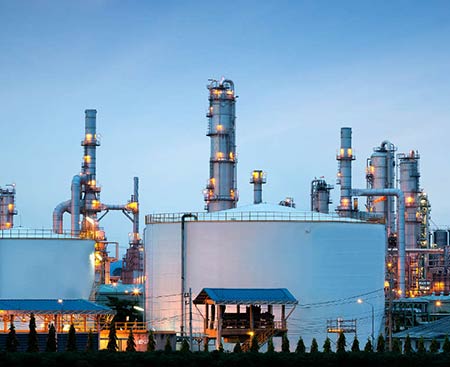
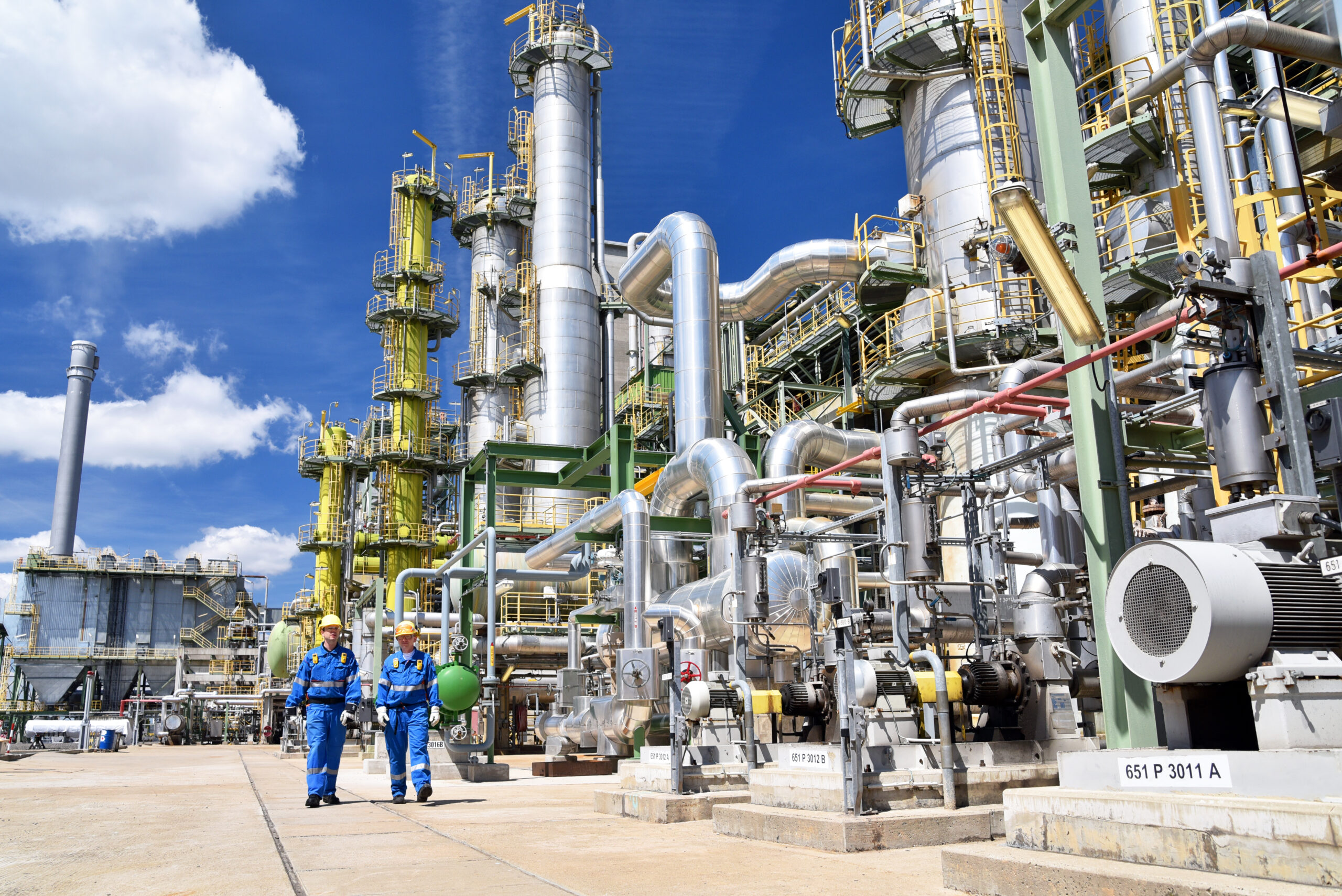
For onshore facilities, asset integrity inspection focuses on industrial plants such as refineries, gas processing facilities, fuel terminals, tank farms, power plants, mining plants, chemical plants, LNG facilities, workshops and manufacturing sites.
These facilities often contain extensive piping networks, pressure vessels, tanks, structural steel, rotating equipment, electrical systems and safety systems. The inspection objective is to detect degradation before it leads to leaks, breakdowns, fires, explosions, shutdowns or environmental incidents.
Typical onshore inspection activities include:
- Inspection of pressure vessels and process equipment.
- Inspection of piping systems and pipe supports.
- Inspection of aboveground storage tanks.
- Corrosion inspection and thickness measurement.
- NDT inspection of welds and critical components.
- Coating and insulation condition assessment.
- Structural inspection of platforms, pipe racks and supports.
- Inspection of lifting equipment and access systems.
- Verification of pressure safety valves and relief devices.
- Risk-based inspection planning.
- Fitness-for-service assessment support.
- Maintenance and repair recommendations.
API 510 is associated with maintenance, inspection, repair and alteration of pressure vessels; API 570 covers in-service inspection, rating, repair and alteration of piping systems; and API 653 addresses inspection, repair, alteration and reconstruction of aboveground storage tanks.
Offshore Plant Asset Integrity Inspection
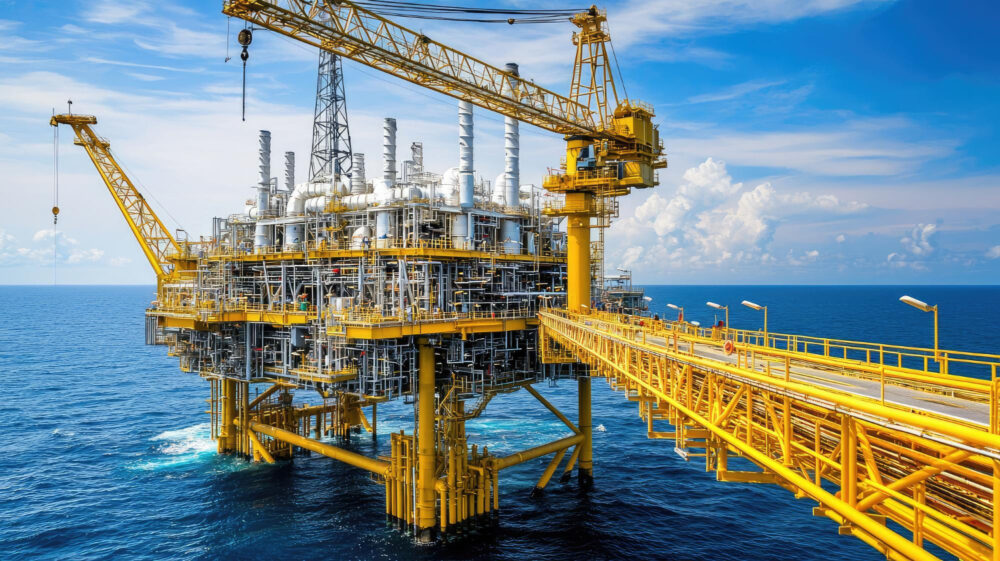
For offshore facilities, asset integrity inspection is even more critical because offshore assets operate in harsh environments with limited access, high corrosion exposure, wave loading, wind, vibration, fatigue, marine growth and complex safety risks.
Offshore plant inspection may apply to fixed platforms, FPSOs, FSOs, offshore modules, topsides, jackets, risers, pipework, pressure systems, cranes, helideck support structures, access platforms and marine equipment.
Typical offshore inspection activities include:
- Topside structural inspection.
- Piping and pressure system inspection.
- Corrosion under insulation inspection.
- Splash-zone and marine corrosion assessment.
- Inspection of offshore cranes and lifting equipment.
- Inspection of walkways, ladders, gratings and handrails.
- Inspection of safety-critical elements.
- NDT of welds, nodes, supports and critical joints.
- Coating condition assessment.
- Cathodic protection assessment.
- Dropped object risk inspection.
- Fatigue and vibration damage inspection.
- Inspection planning based on risk and criticality.
Offshore asset integrity is closely connected to major accident prevention because failure of safety-critical systems, pressure equipment, structures or containment systems can have severe consequences for personnel, the environment and production.
Benefits to the Client
Asset Integrity Inspection of Onshore/Offshore Plant helps clients protect people, the environment, production and business value.
Main benefits include:
- Improved operational safety.
- Early detection of defects and degradation.
- Reduced risk of leaks, failures and shutdowns.
- Better control of corrosion and ageing assets.
- Optimized inspection and maintenance planning.
- Reduced unplanned downtime.
- Extended asset service life.
- Improved reliability of critical equipment.
- Better compliance with industry standards.
- Stronger risk management and decision-making.
- Clear technical documentation for management, regulators and insurers.
Main Inspection Areas
1. Pressure Vessel Inspection
Pressure vessels are critical equipment used to contain fluids or gases under pressure. They may include separators, receivers, filters, scrubbers, accumulators, reactors and process vessels.
TechInspecta’s inspection may include external visual inspection, internal inspection, ultrasonic thickness measurement, corrosion mapping, weld inspection, nozzle inspection, support inspection, nameplate verification, pressure relief device checks and review of inspection history.
Common defects identified:
- Internal and external corrosion.
- Wall thinning.
- Cracking.
- Pitting.
- Weld defects.
- Bulging or deformation.
- Damaged supports.
- Nozzle corrosion.
- Insulation-related corrosion.
- Evidence of overpressure or overheating.
Client value: safer operation of pressure equipment, reduced risk of rupture or leaks, improved maintenance planning and support for compliance with inspection requirements.
2. Piping System Inspection
Process piping is one of the most extensive and risk-sensitive asset groups in any onshore or offshore facility. Piping systems transport hydrocarbons, chemicals, steam, water, gas, fuel, compressed air and other process fluids.
Inspection focuses on the condition of pipes, elbows, tees, reducers, flanges, valves, welds, supports, clamps, expansion joints and insulation systems.
Inspection may include:
- Visual inspection.
- Ultrasonic thickness measurement.
- Corrosion loop inspection.
- CUI inspection.
- Dead-leg inspection.
- Injection point inspection.
- Small-bore connection inspection.
- Vibration-related damage checks.
- Support and hanger inspection.
- Leak and flange integrity checks.
API 570 is specifically focused on in-service inspection, rating, repair and alteration of piping systems, making it one of the key references for piping integrity programs.
3. Storage Tank Integrity Inspection
Storage tanks are used for crude oil, diesel, gasoline, chemicals, water, slurries and other industrial fluids. Failure of a storage tank can cause major product loss, fire risk, environmental pollution and operational shutdown.
TechInspecta’s tank inspection may include inspection of the shell, roof, bottom plates, annular plates, nozzles, manholes, stairways, platforms, vents, foundations, settlement, coatings and corrosion protection systems.
Inspection may include:
- External tank inspection.
- Internal tank inspection.
- Bottom plate inspection.
- Shell thickness measurement.
- Roof structure inspection.
- Settlement survey.
- Foundation inspection.
- Nozzle and manway inspection.
- Coating and lining inspection.
- Tank repair recommendations.
API 653 provides minimum requirements for maintaining the integrity of aboveground steel storage tanks after they have been placed in service and addresses inspection, repair, alteration, relocation and reconstruction.
4. Structural Integrity Inspection
Structural integrity inspection assesses whether steel and concrete structures remain capable of supporting operational loads safely. This applies to pipe racks, platforms, equipment supports, offshore topsides, access structures, walkways, modules, skids, foundations and support frames.
Inspection may include:
- Visual structural inspection.
- Corrosion and section loss assessment.
- Weld and connection inspection.
- Bolt and anchor inspection.
- Deformation and misalignment checks.
- Grating, ladder and handrail inspection.
- Foundation and support inspection.
- Load path verification.
- Structural damage assessment after incidents.
Common defects identified:
- Corrosion of structural steel.
- Cracked welds.
- Loose or missing bolts.
- Bent members.
- Damaged gratings.
- Settlement or foundation cracking.
- Impact damage.
- Fatigue-related cracking.
- Overloading signs.
Client value: improved personnel safety, reduced structural failure risk and better planning for repair, strengthening or replacement.
5. Corrosion Inspection and Monitoring
Corrosion is one of the main threats to asset integrity in both onshore and offshore plants. It can affect piping, vessels, tanks, structures, supports, bolts, flanges, equipment foundations and hidden areas under insulation.
Inspection may include:
- Visual corrosion survey.
- Ultrasonic thickness measurement.
- Corrosion mapping.
- Pitting assessment.
- Coating inspection.
- Corrosion under insulation inspection.
- Cathodic protection assessment.
- Soil-to-air interface inspection.
- Splash-zone corrosion inspection.
- Corrosion rate evaluation.
Common corrosion mechanisms:
- General corrosion.
- Pitting corrosion.
- Crevice corrosion.
- Galvanic corrosion.
- Erosion-corrosion.
- Microbiologically influenced corrosion.
- Chloride-induced corrosion.
- Corrosion under insulation.
- External atmospheric corrosion.
- Internal process corrosion.
Client value: early detection of material loss, prevention of leaks and improved decision-making for repair, coating, replacement or corrosion control.
6. Non-Destructive Testing Inspection
Non-Destructive Testing, or NDT, allows the condition of materials and welds to be assessed without damaging the asset. It is a core part of asset integrity inspection because it helps detect defects that may not be visible during normal visual inspection.
NDT methods may include:
- Visual Testing.
- Ultrasonic Testing.
- Magnetic Particle Testing.
- Dye Penetrant Testing.
- Radiographic Testing.
- Eddy Current Testing.
- Phased Array Ultrasonic Testing.
- Time of Flight Diffraction.
- Hardness Testing.
- Positive Material Identification.
- Vacuum Box Testing for tank floors.
- Leak Testing.
Typical applications:
- Weld inspection.
- Crack detection.
- Wall thickness measurement.
- Corrosion mapping.
- Tank bottom inspection.
- Pipeline inspection.
- Structural steel inspection.
- Pressure vessel inspection.
- Heat exchanger tube inspection.
Client value: accurate defect detection, better repair decisions and improved confidence in the condition of critical assets.
7. Risk-Based Inspection Support
Risk-Based Inspection, or RBI, is an inspection planning approach that prioritizes assets based on risk. Instead of inspecting everything with the same frequency, RBI focuses resources on equipment with the highest probability and consequence of failure.
API describes API 580 as focused on the elements of a Risk-Based Inspection program, and API 580/581 training topics include probability of failure, consequence of failure, risk drivers and inspection planning for fixed equipment.
TechInspecta can support RBI programs by helping clients classify assets according to:
- Criticality.
- Damage mechanisms.
- Probability of failure.
- Consequence of failure.
- Inspection history.
- Corrosion rate.
- Operating conditions.
- Safety and environmental impact.
- Business impact.
- Maintenance priority.
Client value: optimized inspection intervals, reduced unnecessary inspection costs, improved focus on high-risk assets and stronger integrity management.
8. Fitness-for-Service Support
Fitness-for-Service, or FFS, is used when an asset has defects but the client needs to determine whether it can continue operating safely. This may apply to corroded piping, damaged vessels, tanks with bottom thinning, cracked components, dented structures or equipment with local metal loss.
TechInspecta can support the FFS process by providing inspection data, NDT results, thickness readings, defect measurements, photographs, corrosion maps and field observations required for engineering evaluation.
Typical cases requiring FFS support:
- Local metal loss.
- Pitting corrosion.
- General wall thinning.
- Cracking.
- Dents and gouges.
- Weld defects.
- Tank bottom corrosion.
- Fire damage.
- Mechanical damage.
- Out-of-roundness or deformation.
Client value: informed decisions on continued operation, repair, derating, replacement or shutdown.
9. Safety-Critical Element Inspection
Safety-critical elements are systems, equipment or structures that prevent, control or mitigate major accident hazards. In oil & gas and offshore facilities, failure of these elements can lead to serious incidents.
Examples include:
- Pressure relief systems.
- Emergency shutdown valves.
- Fire and gas systems.
- Structural supports.
- Lifeboat and escape systems.
- Offshore cranes.
- Emergency power systems.
- Containment systems.
- Process isolation valves.
- Blowdown systems.
- Passive fire protection.
- Critical access and evacuation routes.
Inspection verifies whether these systems remain available, functional, protected and maintained according to their intended safety role.
Client value: improved major accident prevention, stronger compliance and safer plant operation.
10. Inspection Reporting and Asset Integrity Recommendations
A strong asset integrity inspection does not end with field inspection. The final value comes from clear technical reporting, risk ranking and practical recommendations.
TechInspecta can provide:
- Inspection reports.
- Defect registers.
- Photographic evidence.
- Thickness measurement reports.
- NDT reports.
- Corrosion maps.
- Equipment condition summaries.
- Risk-based priority ranking.
- Repair recommendations.
- Maintenance action plans.
- Inspection interval recommendations.
- Asset integrity improvement plans.
The report helps clients make informed decisions about whether to continue operation, repair, replace, monitor, derate or shut down an asset.