
Lock Out / Tag Out (LOTO) Safety Training
TechInspecta’s Lock Out / Tag Out Safety Training helps clients ensure that maintenance, inspection and repair work is carried out under controlled and verified isolation conditions.
- Home
- Lq-project
- Lock Out & Tag Out (LOTO)
Lock Out / Tag Out (LOTO) Safety Training
TechInspecta provides Lock Out / Tag Out (LOTO) Safety Training for workers, technicians, supervisors, maintenance teams, contractors and safety personnel involved in the servicing, inspection, repair, cleaning, testing or maintenance of machinery, equipment and process systems.
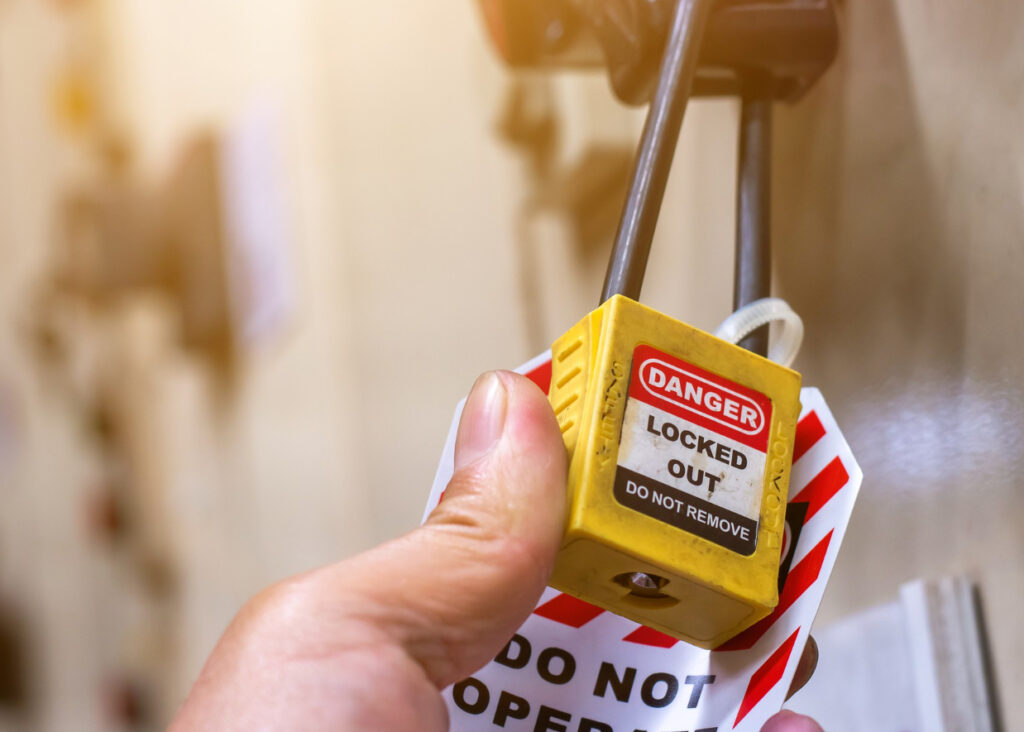
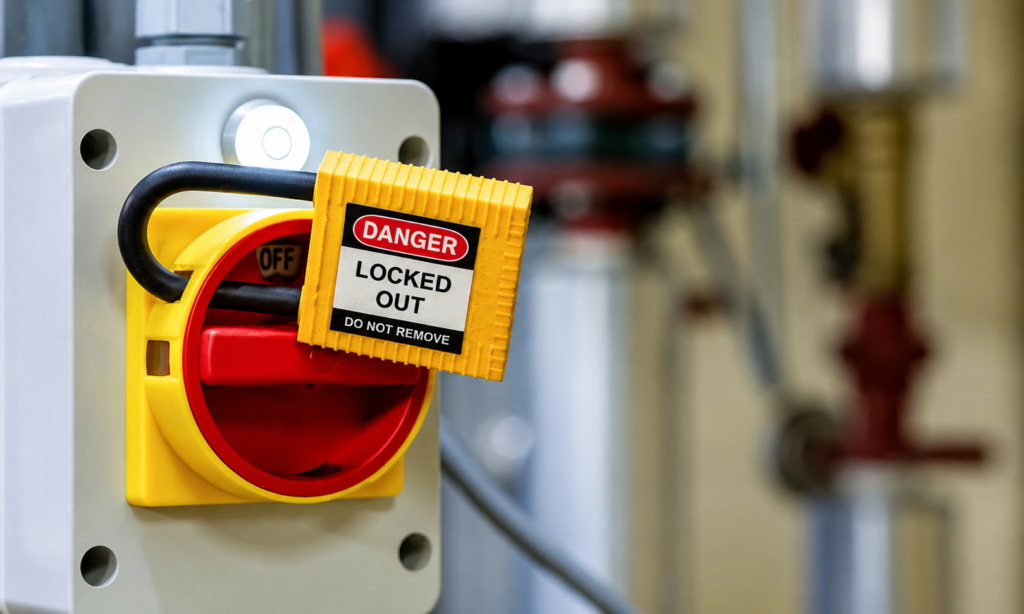
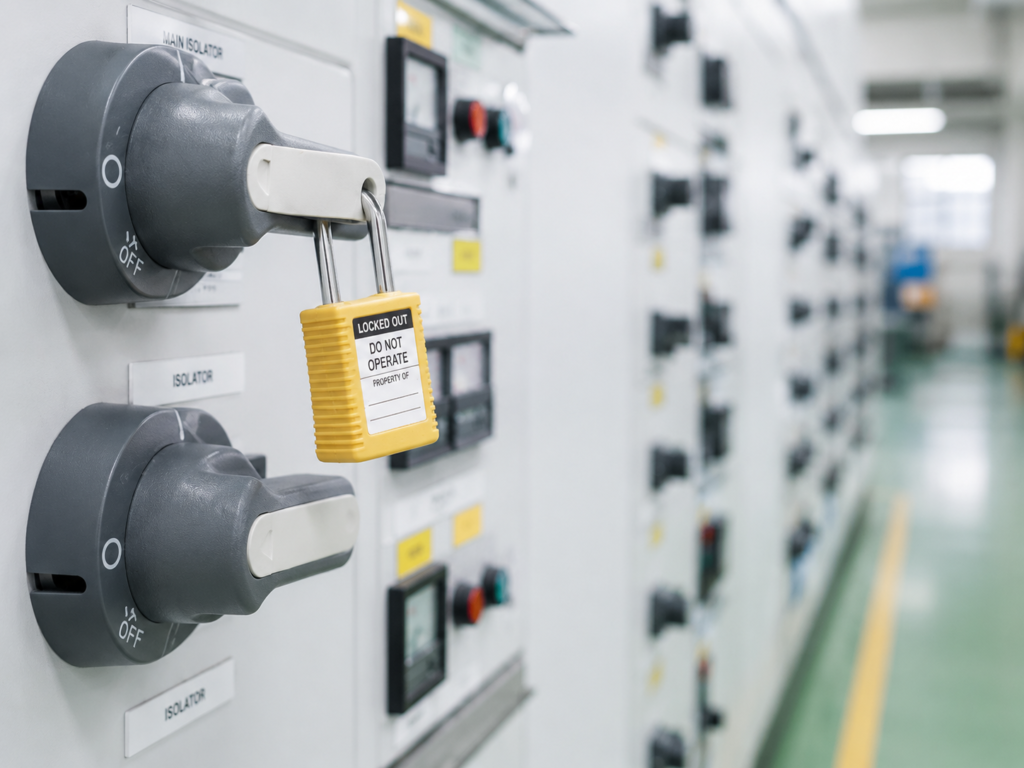
LOTO is a critical safety procedure used to prevent the unexpected start-up, energization or release of stored energy during maintenance activities. OSHA’s lockout/tagout standard covers servicing and maintenance where unexpected energization, start-up, or release of stored energy could injure workers, and establishes minimum performance requirements for hazardous energy control.
For industrial clients, effective LOTO training is essential because a failure to isolate equipment correctly can result in electric shock, crushing, amputation, burns, chemical release, pressure release, fire, explosion, equipment damage or fatal injury.
TechInspecta’s LOTO training helps companies build a safer maintenance culture by ensuring that personnel understand how to identify hazardous energy, isolate equipment, apply locks and tags, verify zero energy state and safely return equipment to service.
Why LOTO Training Is Critical
Many serious industrial accidents occur when equipment is assumed to be safe, but energy remains present in the system. This may include electrical energy, hydraulic pressure, pneumatic pressure, mechanical movement, gravity, thermal energy, chemical energy, steam, gas pressure or stored spring energy.
LOTO is not only about switching a machine off. It is about ensuring that all hazardous energy sources are isolated, locked, tagged, controlled and verified before work begins. HSE guidance states that plant and equipment must be made safe before maintenance starts, including stopping moving plant, isolating electrical and other power supplies, locking off machines where power could be accidentally switched back on, and isolating plant or pipelines containing pressured fluids, gas, steam or hazardous materials.
A proper LOTO system helps prevent:
- Unexpected machine start-up.
- Release of stored pressure.
- Electric shock or arc flash exposure.
- Movement of mechanical parts.
- Release of hazardous substances.
- Burns from steam or hot surfaces.
- Crushing or entanglement injuries.
- Accidental valve opening.
- Unauthorized equipment operation.
- Maintenance incidents involving contractors.
Purpose of the Training
The purpose of TechInspecta’s Lock Out / Tag Out Safety Training is to develop the knowledge and practical understanding required to control hazardous energy safely during maintenance and servicing activities.
After completing the training, participants should be able to:
- Understand the purpose and importance of LOTO.
- Identify different types of hazardous energy.
- Recognize equipment requiring isolation.
- Understand the roles of authorized, affected and other employees.
- Follow safe shutdown and isolation procedures.
- Apply lockout devices and warning tags correctly.
- Release or control stored energy.
- Verify zero energy state before starting work.
- Understand group lockout requirements.
- Manage shift handover safely.
- Understand contractor interface requirements.
- Follow safe procedures for removing locks and returning equipment to service.
- Recognize unsafe LOTO practices and stop the job when needed.
Technical Training Content
1. Introduction to Hazardous Energy Control
Participants are introduced to the concept of hazardous energy and why uncontrolled energy is one of the most serious risks during maintenance, inspection and repair work.
Training covers:
- Definition of Lock Out / Tag Out.
- Difference between shutdown and isolation.
- Why switching off is not enough.
- Hazardous energy sources.
- Stored and residual energy.
- Zero energy state.
- Consequences of poor isolation.
- Typical LOTO incidents and lessons learned.
OSHA describes LOTO as practices and procedures necessary to disable machinery or equipment to prevent hazardous energy release during servicing and maintenance.
2. Types of Hazardous Energy
Participants learn how to identify different types of hazardous energy that may be present in industrial equipment and process systems.
Hazardous energy sources include:
- Electrical energy.
- Mechanical energy.
- Hydraulic pressure.
- Pneumatic pressure.
- Chemical energy.
- Thermal energy.
- Steam pressure.
- Gas pressure.
- Gravity energy.
- Stored spring energy.
- Rotational energy.
- Residual pressure in pipelines.
- Stored energy in capacitors.
- Suspended loads or elevated equipment parts.
This module is important because many incidents happen when only the obvious energy source is isolated while other hidden or stored energy sources remain uncontrolled.
3. Applicable Procedures, Standards and Site Requirements
TechInspecta’s training explains the importance of following company procedures, permit-to-work systems, manufacturer guidance, equipment-specific isolation procedures and applicable safety requirements.
Training covers:
- Energy control program requirements.
- Equipment-specific LOTO procedures.
- Permit-to-work interface.
- Electrical isolation procedures.
- Mechanical isolation procedures.
- Process isolation requirements.
- Valve isolation and locking.
- Contractor requirements.
- LOTO registers and isolation records.
- Site-specific lockout/tagout rules.
CCOHS describes lockout as isolating energy from a machine, equipment or process and physically locking the system in a safe mode; energy-isolating devices can include disconnect switches, circuit breakers, line valves or blocks, while push buttons and selector switches are not considered energy-isolating devices.
4. Roles and Responsibilities
Effective LOTO depends on clear responsibilities. Participants learn the duties of all personnel involved in energy control.
Training covers responsibilities of:
- Authorized employees.
- Affected employees.
- Other employees.
- Maintenance technicians.
- Operators.
- Supervisors.
- Permit issuers.
- Isolation authorities.
- HSE personnel.
- Contractors.
- Shift handover personnel.
Authorized employees are responsible for applying LOTO and performing the work. Affected employees operate or work near equipment that is locked out. Other employees must understand that locks and tags must never be removed, bypassed or ignored.
5. Equipment Shutdown and Preparation
Before isolation, equipment must be shut down safely using the correct sequence. Poor shutdown can create additional hazards, such as trapped pressure, unstable loads or unexpected movement.
Training covers:
- Reviewing the work scope.
- Identifying all energy sources.
- Notifying affected personnel.
- Checking the equipment-specific procedure.
- Stopping the equipment safely.
- Following normal shutdown sequence.
- Allowing rotating equipment to stop.
- Securing moving parts.
- Preparing the work area.
- Confirming access and barricading requirements.
This ensures that the equipment is prepared for isolation in a controlled and systematic way.
6. Isolation of Energy Sources
Participants learn how to isolate different types of energy sources using appropriate isolation methods.
Training covers:
- Electrical isolation using disconnect switches or circuit breakers.
- Mechanical isolation.
- Valve isolation.
- Blinding and blanking.
- Double block and bleed awareness.
- Hydraulic isolation.
- Pneumatic isolation.
- Steam isolation.
- Chemical isolation.
- Gravity control using blocks or supports.
- Locking elevated or moving parts.
- Isolation of stored or residual energy.
The focus is on identifying all energy sources, not only the main power supply.
7. Application of Locks and Tags
This module explains the correct use of locks, tags and isolation devices.
Training covers:
- Personal locks.
- Group locks.
- Lock boxes.
- Multi-lock hasps.
- Valve lockout devices.
- Circuit breaker lockouts.
- Plug lockouts.
- Cable lockouts.
- Tags and warning labels.
- Lock owner identification.
- One person, one lock principle.
- Prohibition of removing another person’s lock without authorization.
Tags provide warning and identification, but locks provide the physical control that prevents accidental energization.
8. Control and Release of Stored Energy
Even after isolation, energy may remain stored in the equipment. This stored energy must be released, blocked, restrained or otherwise controlled before work starts.
Training covers:
- Bleeding pressure from lines.
- Draining liquids.
- Venting gases safely.
- Releasing hydraulic pressure.
- Releasing pneumatic pressure.
- Discharging capacitors.
- Allowing hot surfaces to cool.
- Blocking elevated parts.
- Securing springs or moving parts.
- Controlling gravity hazards.
- Verifying no stored energy remains.
This is a critical step because many accidents happen after equipment has been isolated but stored energy has not been controlled.
9. Verification of Zero Energy State
Verification is one of the most important steps in LOTO. Workers must confirm that isolation is effective before beginning maintenance or inspection work.
Training covers:
- Try-start verification.
- Testing for absence of voltage.
- Checking pressure gauges.
- Opening bleed points.
- Confirming no movement.
- Verifying depressurization.
- Confirming stored energy release.
- Using appropriate test instruments.
- Confirming with the work team before entry.
- Recording verification where required.
WorkSafeBC describes effective de-energization and lockout as putting a system into a zero-energy state so that no hazardous energy exists.
Key info: LOTO is not complete until zero energy has been verified.
10. Group Lockout and Multiple Workers
Industrial maintenance often involves several workers, disciplines or contractors working on the same equipment. Group lockout ensures that every person is protected.
Training covers:
- Group lock boxes.
- Multiple personal locks.
- Lockout coordinator role.
- Multi-discipline work teams.
- Contractor participation.
- Handover between shifts.
- Isolation register.
- Accountability of each worker.
- Rules for adding and removing workers from the job.
Every person exposed to hazardous energy must have personal protection before work begins.
11. Shift Handover and Extended Work
When maintenance continues across shifts, proper handover is required to maintain isolation integrity.
Training covers:
- Shift change procedure.
- Transfer of lockout responsibility.
- Updating the isolation register.
- Verifying work status.
- Confirming personnel changes.
- Re-briefing incoming workers.
- Preventing unauthorized lock removal.
- Maintaining continuity of protection.
This module is especially important for shutdowns, turnaround projects, offshore operations and long-duration maintenance tasks.
12. Return to Service Procedure
Before equipment is re-energized, the work area must be checked and all personnel must be cleared.
Training covers:
- Confirming work is complete.
- Inspecting the work area.
- Removing tools and materials.
- Reinstalling guards and safety devices.
- Notifying affected personnel.
- Confirming all workers are clear.
- Removing locks and tags correctly.
- Re-energizing equipment in sequence.
- Testing equipment safely.
- Returning equipment to normal operation.
- Updating documentation.
Return to service must be controlled to avoid exposing workers to unexpected movement, energy release or start-up.
13. Common LOTO Failures and Unsafe Practices
Participants learn to recognize unsafe behaviors that lead to incidents.
Common failures include:
- Relying only on emergency stop buttons.
- Switching off without locking out.
- Isolating only one energy source.
- Failing to release stored energy.
- Using tags without locks where locks are required.
- Removing another person’s lock.
- Starting work before verification.
- Poor contractor control.
- Poor shift handover.
- Missing equipment-specific procedures.
- Incomplete permit-to-work communication.
- Failure to control gravity or pressure hazards.
This module helps build practical awareness and strengthens stop-work culture.
Practical Training Components
Depending on the client’s requirements, TechInspecta can include practical exercises such as:
- Identifying hazardous energy sources.
- Reviewing equipment-specific isolation procedures.
- Applying lockout devices.
- Completing LOTO tags.
- Using multi-lock hasps.
- Demonstrating group lockout.
- Verifying zero energy state.
- Simulating stored energy release.
- Reviewing permit-to-work interface.
- Completing a LOTO checklist.
- Identifying unsafe lockout scenarios.
- Return-to-service simulation.
Who Should Attend?
This training is suitable for:
- Maintenance technicians.
- Mechanical technicians.
- Electrical technicians.
- Instrument technicians.
- Operators.
- Inspectors.
- NDT technicians.
- Contractors.
- Supervisors.
- Permit issuers.
- HSE officers.
- Shutdown teams.
- Plant maintenance teams.
- Oil & gas workers.
- Mining workers.
- Manufacturing personnel.
- Offshore and onshore plant personnel.
Industries Served
TechInspecta can deliver LOTO Safety Training for:
- Oil & gas facilities.
- Offshore platforms.
- Petrochemical plants.
- Mining operations.
- Manufacturing plants.
- Power generation facilities.
- Construction sites.
- Ports and marine terminals.
- Fuel terminals.
- Workshops.
- Warehouses.
- Water treatment plants.
- Industrial maintenance projects.
- Shutdown and turnaround operations.
Benefits to the Client
TechInspecta’s LOTO Safety Training helps organizations:
- Prevent unexpected equipment start-up.
- Reduce maintenance-related injuries.
- Control electrical, mechanical, hydraulic and process energy.
- Improve permit-to-work discipline.
- Improve contractor safety management.
- Strengthen maintenance safety culture.
- Reduce downtime caused by incidents.
- Improve compliance with safety procedures.
- Protect workers during inspection and repair activities.
- Reduce risk of fatal accidents.
- Improve reliability of shutdown and maintenance operations.
Training Deliverables
TechInspecta may provide:
- Training presentation.
- Practical demonstration.
- Participant assessment.
- Attendance register.
- Training certificates.
- LOTO checklist.
- Energy isolation checklist.
- Equipment isolation awareness guide.
- Group lockout awareness guide.
- Practical exercise records.
- Site-specific recommendations, where applicable.
- Final training report for the client.