
Corrosion Inspection & Cathodic Protection Assessment in Mozambique
we help port operators, terminal owners and industrial clients identify corrosion risks, assess the effectiveness of existing protection systems and recommend practical measures to extend the service life of critical marine infrastructure.
- Home
- Lq-project
- Corrosion Inspection & Cathodic Protection Assessment
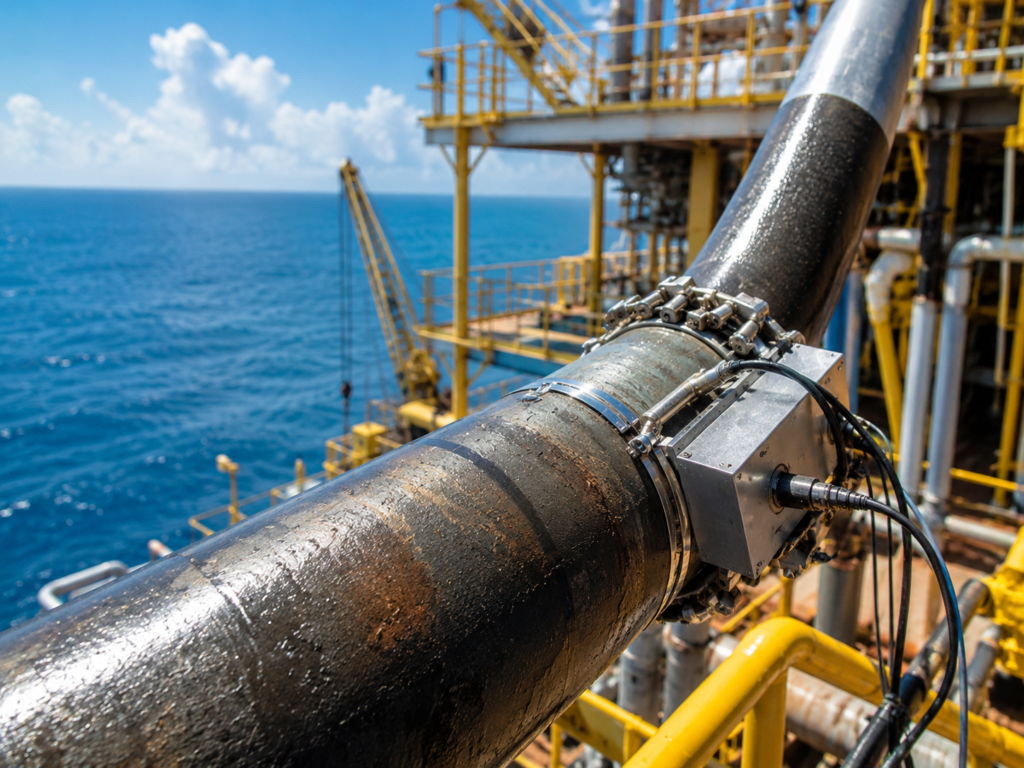
What is corrosion inspection?Corrosion Inspection & Cathodic Protection Assessment
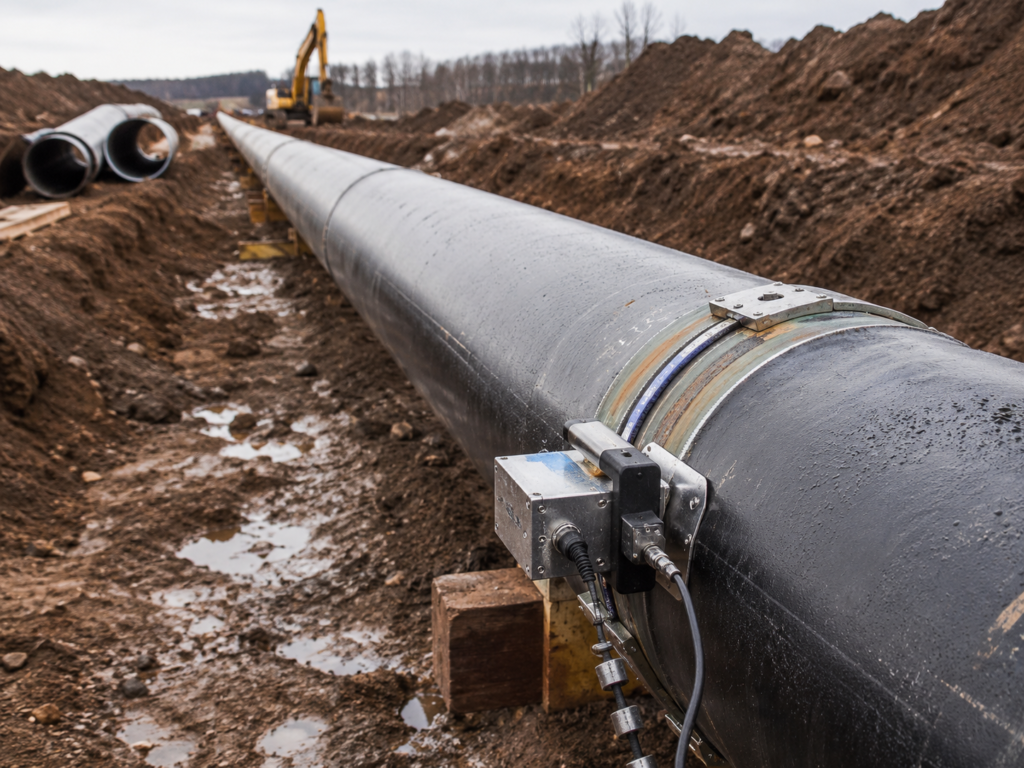
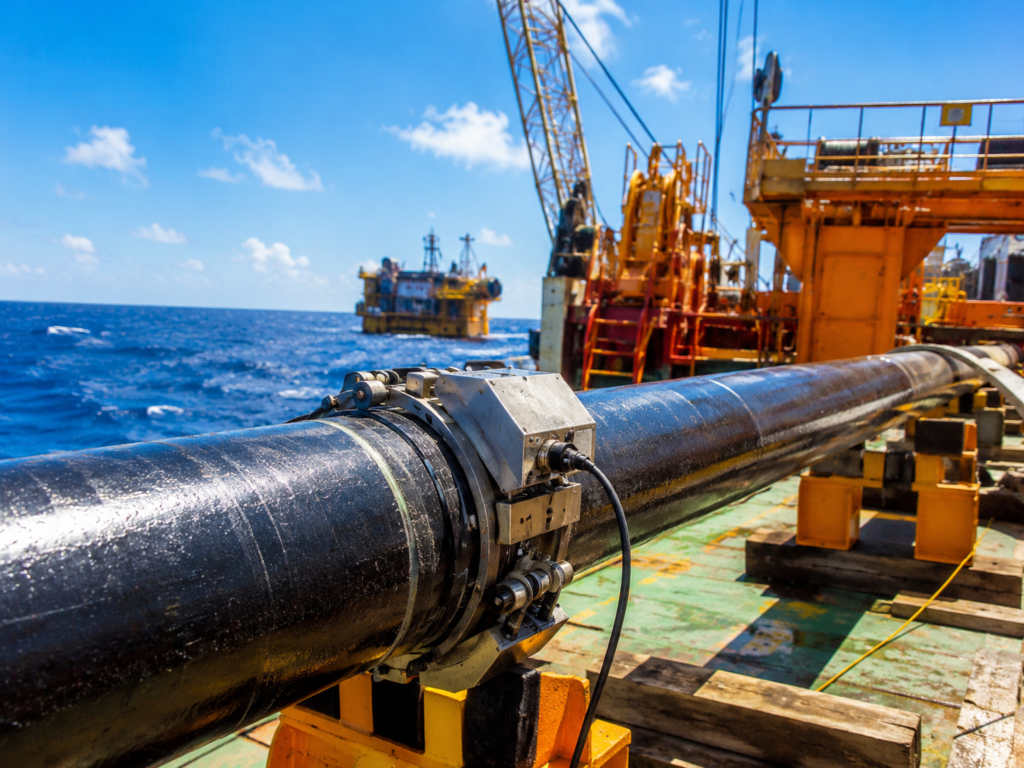
TechInspecta Integrity Services, Lda. provides professional Corrosion Inspection & Cathodic Protection Assessment in Mozambique for pipelines, storage tanks, marine structures, jetties, ports, industrial plants, mining facilities, energy infrastructure and other critical assets.
Corrosion can remain hidden until it causes significant wall loss, coating failure, leakage, structural weakening or equipment breakdown. Therefore, asset owners need more than a basic visual inspection. They need reliable condition data, technically sound interpretation and practical recommendations that support timely maintenance decisions.
Our corrosion inspection services help clients identify active deterioration, determine its severity and understand how it may affect the safety, reliability and remaining service life of an asset. In addition, our cathodic protection assessment services evaluate whether galvanic or impressed current systems are providing effective corrosion control.
TechInspecta combines visual examination, ultrasonic thickness measurement, corrosion mapping, coating assessment, electrical testing, potential surveys and engineering review according to the asset, operating environment and applicable project requirements.
Protect your assets before corrosion becomes an operational emergency. Contact TechInspecta today to discuss your inspection scope and request a technical quotation.
Protecting Critical Assets Against Corrosion
Corrosion is an electrochemical degradation process that can affect metallic assets exposed to moisture, soil, seawater, chemicals, industrial atmospheres and process fluids. Although visible rust may provide an early warning, serious deterioration can also develop beneath coatings, insulation, deposits, marine growth or underground surfaces.
Consequently, corrosion management should not depend only on visible condition. It should combine inspection data, environmental information, operating history, protection-system performance and previous measurements.
An effective corrosion inspection programme can help an asset owner answer essential questions:
- Where is corrosion occurring?
- What type of corrosion is present?
- How severe is the material loss?
- Is the deterioration active or historical?
- Is the protective coating still effective?
- Is the cathodic protection system operating correctly?
- Which locations require repair, recoating or additional monitoring?
- How should future inspections be prioritised?
TechInspecta structures each corrosion inspection around these practical decisions. As a result, clients receive information that can support maintenance planning, integrity management, shutdown preparation and long-term asset protection.
What Is Corrosion Inspection?
Corrosion inspection is the systematic evaluation of equipment, structures and protective systems to detect deterioration caused by environmental or process-related corrosion.
The inspection may involve visual examination, dimensional measurements, ultrasonic testing, coating inspection, electrochemical measurements and review of historical data. However, the exact inspection scope depends on the asset, material, accessibility, operating conditions and suspected degradation mechanisms.
TechInspecta’s broader asset integrity services already cover visual corrosion surveys, ultrasonic thickness measurement, pitting assessment, coating-condition inspection, corrosion under insulation, splash-zone inspection, soil-to-air interfaces and corrosion-rate trending. osion Mechanisms We Help Identify
Depending on the asset and service conditions, our inspection may identify or assess:
- General atmospheric corrosion
- Uniform wall thinning
- Localised pitting corrosion
- Crevice corrosion
- Galvanic corrosion
- Erosion-corrosion
- Corrosion under insulation
- Soil-side corrosion
- Seawater corrosion
- Splash-zone and tidal-zone corrosion
- Chloride-related corrosion
- Microbiologically influenced corrosion indicators
- Under-deposit corrosion
- Internal process corrosion
- Corrosion at welds and heat-affected zones
- Corrosion at bolted connections
- Flange-face and flange-gap corrosion
- Corrosion at supports and clamps
- High-temperature oxidation
- Coating breakdown and under-film corrosion
- Reinforcement corrosion in concrete structures
Correctly identifying the likely corrosion mechanism is important because different damage mechanisms require different inspection methods and control measures. For example, a coating repair may address atmospheric corrosion, while an ineffective cathodic protection system may require electrical troubleshooting, anode replacement or system adjustment.
What Is Cathodic Protection Assessment?
Cathodic protection is a corrosion-control technique used primarily for buried, submerged or continuously wetted metallic structures. It reduces corrosion by supplying protective direct current to the structure and shifting its electrochemical behaviour.
Cathodic protection does not remove the need for coatings. Instead, coatings and cathodic protection normally work together. The coating limits the exposed metallic area, while the CP system supplies protective current to coating defects and exposed surfaces.
AMPP identifies monitoring as essential for confirming that a pipeline cathodic protection system functions correctly and provides adequate protection. odic protection assessment** determines whether the installed system is operating effectively, consistently and within the criteria established by the applicable standard, design basis or client specification.
Galvanic or Sacrificial Anode Systems
A galvanic cathodic protection system connects the protected structure to a more active metal. The anode corrodes preferentially and supplies protective current to the structure.
Common galvanic anode materials include:
- Aluminium alloys
- Zinc alloys
- Magnesium alloys
The selection depends on the electrolyte, structure, design current, operating environment and system requirements.
Galvanic systems are commonly applied to marine structures, buried pipelines, underground tanks, offshore equipment and smaller assets where the required protection current is suitable for sacrificial anodes.
Impressed Current Cathodic Protection Systems
An impressed current cathodic protection system uses an external DC power source, usually a transformer rectifier, to deliver protective current through installed anodes.
Such systems may be suitable for:
- Long pipelines
- Large tank farms
- Extensive marine structures
- Jetties and terminals
- Buried plant piping
- High-current-demand structures
- Complex interconnected facilities
Because impressed current systems use an external power supply, their assessment may include rectifier output, cable condition, anode-bed performance, reference electrodes, junction boxes, electrical continuity, system alarms and operating records.
Why Corrosion Inspection Matters in Mozambique
Industrial assets in Mozambique may operate in coastal, marine, tropical, humid, buried or chemically aggressive environments. Ports, jetties, terminals, offshore facilities and coastal plants may face continuous exposure to salt, moisture, tidal movement and splash-zone conditions.
Meanwhile, buried pipelines and underground tanks can be exposed to soil conditions that vary significantly along the asset route. Industrial facilities may also contain corrosive process fluids, stagnant water, chemicals, elevated temperatures and insulation systems that conceal external degradation.
TechInspecta’s existing corrosion service is specifically positioned for ports, terminal operators, oil and gas facilities, marine infrastructure and industrial clients in Mozambique. The service includes coating inspection, remaining-thickness measurement, pitting assessment and cathodic protection performance evaluation. suitable inspection and monitoring, corrosion can contribute to:
- Loss of containment
- Product leakage
- Environmental contamination
- Reduced structural capacity
- Piping failure
- Tank-bottom perforation
- Unplanned shutdowns
- Emergency repairs
- Premature asset replacement
- Higher maintenance costs
- Unsafe access structures
- Damage to adjacent equipment
- Reduced reliability of marine operations
Therefore, early detection provides both a safety benefit and a commercial advantage.
Our Corrosion Inspection and Cathodic Protection Services
TechInspecta can develop a focused inspection scope or support a wider corrosion-management programme. The following activities may be included according to client requirements.
Visual Corrosion Survey
A detailed visual survey helps locate visible deterioration and establish the general condition of the asset.
Our inspectors may check for:
- Rusting and corrosion products
- Coating discolouration
- Blistering and delamination
- Peeling and flaking
- Exposed steel
- Pitting
- Scaling
- Staining
- Cracking
- Spalling
- Damaged connections
- Missing components
- Deformation
- Mechanical damage
- Water traps
- Blocked drainage
- Accumulated deposits
- Marine growth
- Deteriorated sealants
- Corrosion at inaccessible interfaces
Findings may be recorded through photographs, marked-up drawings, inspection checklists and location references.
Ultrasonic Thickness Measurement
Ultrasonic thickness measurement determines the remaining material thickness without cutting or damaging the inspected component.
It may be applied to:
- Pipelines
- Process piping
- Storage tank shells
- Tank roofs
- Tank bottoms where accessible
- Pressure equipment
- Steel piles
- Sheet piles
- Beams
- Plates
- Columns
- Bracing
- Structural members
- Marine components
Thickness data can be compared against nominal thickness, previous readings, minimum required thickness or engineering acceptance criteria.
Where reliable historical measurements exist, the results may also support corrosion-rate calculations, remaining-life estimates and future inspection planning.
Corrosion Mapping and Condition Trending
Individual thickness readings may not adequately describe irregular or localised deterioration. Therefore, corrosion mapping uses a defined measurement grid to show how thickness varies across a selected area.
Corrosion mapping can help clients:
- Identify the thinnest location
- Understand wall-loss distribution
- Distinguish localised damage from general thinning
- Monitor known corrosion zones
- Compare results between inspection periods
- Prioritise repairs
- Define areas for further examination
Trend analysis becomes more reliable when measurement locations, equipment, calibration settings and inspection methods remain consistent between inspection campaigns.
Pitting Assessment
Pitting can create deep local defects even when the surrounding material appears relatively sound. Consequently, average wall thickness alone may not represent the true condition.
Our assessment may consider:
- Maximum observed pit depth
- Pit diameter
- Pit density
- Pit distribution
- Remaining ligament
- Proximity to welds or connections
- Clustering
- Location within a pressure or structural component
- Comparison with applicable acceptance criteria
Where necessary, TechInspecta may recommend additional engineering evaluation, advanced NDT, repair or increased monitoring.
Coating Condition Assessment
Protective coatings form the first barrier between a metallic asset and its environment. However, coatings may deteriorate because of poor surface preparation, incorrect application, age, ultraviolet exposure, chemical attack, mechanical damage or excessive moisture.
A coating inspection may evaluate:
- Rusting
- Blistering
- Cracking
- Flaking
- Chalking
- Delamination
- Mechanical damage
- Pinholes
- Holidays
- Dry-film thickness
- Adhesion, where required
- Surface contamination
- Edge breakdown
- Weld-area failure
- Under-film corrosion
- Compatibility of repair coatings
ISO 12944 addresses the corrosion protection of steel structures through protective paint systems. Its parts cover matters such as environmental classification, design considerations, surface preparation, paint-system selection, application supervision and specifications for new or maintenance work. osion Under Insulation Assessment
Corrosion under insulation can develop when water penetrates an insulation or cladding system and remains in contact with the equipment surface.
Potential warning signs include:
- Damaged or missing cladding
- Open seams
- Failed sealant
- Wet insulation
- Rust staining
- Bulging or deformation
- Water entry at penetrations
- Deterioration around supports
- Damage near nozzles and branches
Depending on the risk and agreed scope, inspection may involve selected insulation removal, visual examination, ultrasonic thickness measurement or other suitable NDT methods.
Soil-to-Air Interface Inspection
The transition between buried and above-ground sections is often vulnerable because environmental conditions, coating types and accessibility change within a small area.
The inspection may consider:
- Coating breakdown
- Localised pitting
- Trapped moisture
- Settlement
- Mechanical damage
- Inadequate sealing
- Shielding
- Electrical isolation
- Evidence of stray-current effects
These locations are particularly relevant for pipelines, tank connections, buried firewater systems and underground plant piping.
Splash-Zone and Tidal-Zone Inspection
Marine structures frequently experience different corrosion conditions above, within and below the waterline.
The splash and tidal zones may be exposed to:
- Repeated wetting and drying
- Oxygen availability
- Salt deposition
- Wave action
- Mechanical impact
- Coating damage
- Marine growth
- Difficult maintenance access
Therefore, these zones often require detailed visual examination and targeted thickness measurement.
Sacrificial Anode Inspection
TechInspecta can inspect galvanic anodes to determine their physical condition and apparent remaining capacity.
The assessment may include:
- Anode consumption
- Uneven wastage
- Detached anodes
- Missing anodes
- Damaged anode cores
- Loose connections
- Inadequate electrical contact
- Incorrect anode location
- Excessive marine growth
- Estimated remaining anode life
- Comparison with drawings or design information
An anode may appear physically present while failing to provide effective current because of a poor electrical connection. Therefore, physical inspection should be supported by appropriate electrical or potential measurements where required.
Structure-to-Electrolyte Potential Surveys
Potential measurements help determine whether the protected structure meets the applicable cathodic protection criteria.
The survey may use suitable reference electrodes selected for the environment, such as:
- Copper/copper sulphate reference electrodes
- Silver/silver chloride reference electrodes
- Zinc reference electrodes
- Other approved permanent or portable reference systems
Readings must be interpreted in relation to the reference electrode, electrolyte, measurement method, voltage-drop effects, system configuration and applicable protection criteria.
TechInspecta does not apply one universal voltage criterion to every structure. Instead, we evaluate readings against the relevant standard, approved design basis, client procedure and asset conditions.
Rectifier and ICCP System Inspection
For impressed current systems, the inspection may include:
- Transformer-rectifier condition
- AC input
- DC voltage output
- DC current output
- Meter functionality
- Fuse and breaker condition
- Cable terminations
- Polarity
- Ventilation
- Enclosure integrity
- Corrosion inside cabinets
- Junction boxes
- Test stations
- Anode-bed circuits
- Alarms
- Remote-monitoring equipment
- Operating records
- Evidence of unauthorised adjustment
Unexpected changes in rectifier output may indicate cable damage, anode deterioration, coating breakdown, short circuits, interference or changes in the protected structure.
Electrical Continuity and Isolation Testing
A CP system can only protect metallic components that are electrically connected to the intended protection circuit.
Continuity testing may be used to evaluate connections between:
- Pipeline sections
- Steel piles
- Bracing
- Sheet piles
- Tank components
- Structural frames
- Anodes
- Bonding cables
- Test leads
Conversely, intentional isolation devices may be installed to separate the protected structure from other metallic systems. TechInspecta can inspect the condition and apparent performance of insulating joints, flanges, couplings and related components within the agreed scope.
Soil Resistivity Measurements
Soil resistivity is an important input for evaluating the corrosive environment and designing cathodic protection systems for buried structures.
ASTM G57 covers in-situ and sample-based soil-resistivity measurement using the Wenner four-electrode method. ASTM notes that soil resistivity supports both corrosion assessment and cathodic protection design. ents may be required at several locations and depths because soil conditions can change along a pipeline route or facility.
CP Record and Historical Data Review
A useful cathodic protection assessment should consider both current measurements and historical performance.
Our review may include:
- Previous survey readings
- Rectifier logs
- Anode replacement records
- Coating repair history
- Pipeline modifications
- Previous excavation findings
- Test-station condition
- Design drawings
- Commissioning records
- Equipment calibration records
- Known interference issues
- Previous inspection recommendations
Trend review helps distinguish isolated measurement errors from genuine system deterioration.
Corrosion Inspection Versus Cathodic Protection Assessment
Although the services are closely related, they answer different integrity questions.
| Service | Main Objective | Typical Activities | Typical Output |
|---|---|---|---|
| Corrosion inspection | Determine the physical condition of an asset | Visual inspection, UT, pitting assessment, corrosion mapping and coating inspection | Condition findings, thickness data, defect locations and repair priorities |
| Cathodic protection assessment | Determine whether the CP system provides suitable protection | Potential measurements, anode inspection, rectifier checks, continuity testing and record review | CP performance findings, deficient locations and corrective recommendations |
| Coating assessment | Determine the condition of the protective barrier | Visual grading, DFT measurements, holiday testing and adhesion testing where required | Coating defects, affected areas and repair recommendations |
| Corrosion monitoring | Track degradation over time | Repeatable measurements, coupons, probes, UT locations and data trending | Corrosion-rate trends and future inspection priorities |
| Integrity assessment | Evaluate the significance of identified damage | Review of dimensions, loads, operating data, codes and engineering criteria | Fitness-for-service, repair or further-analysis recommendations |
For many buried or submerged assets, the best result comes from combining coating inspection, physical corrosion assessment and cathodic protection testing.
Assets and Structures We Inspect
Our Corrosion Inspection & Cathodic Protection Assessment services may be applied to:
Pipelines and Piping Systems
- Onshore pipelines
- Buried pipelines
- Water pipelines
- Slurry pipelines
- Hydrocarbon pipelines
- Gas pipelines
- Jetty pipelines
- Process piping
- Firewater piping
- Underground plant piping
- River-crossing pipeline sections
- Soil-to-air interfaces
- Sleeved and cased sections
ISO 15589-1:2026 covers the pre-installation surveys, design, installation, commissioning, operation, inspection and maintenance of cathodic protection systems for the external surfaces of on-land pipelines. Its scope includes buried pipelines, offshore-pipeline landfalls protected by onshore systems and immersed on-land pipeline sections. age Tanks
- Above-ground storage tanks
- Tank bottoms
- Underground storage tanks
- Water tanks
- Fuel tanks
- Chemical tanks
- Process tanks
- Tank-farm earthing and CP interfaces
- Tank foundations and annular areas
Cathodic protection may be used to control soil-side corrosion of tank-bottom plates or corrosion of underground tank surfaces. Therefore, inspection should consider both the protected structure and the complete CP circuit.
Marine and Port Structures
- Jetties
- Piers
- Quay walls
- Dolphins
- Steel piles
- Sheet piles
- Fender systems
- Mooring components
- Marine loading terminals
- Submerged pipelines
- Access platforms
- Walkways
- Ladders
- Marine support frames
- Offshore structures
TechInspecta’s current corrosion service already covers steel piles, sheet-pile walls, jetties, dolphins, jetty pipelines, access structures and submerged steel components. forced Concrete Infrastructure
- Marine concrete structures
- Bridge elements
- Quays
- Piers
- Foundations
- Concrete piles
- Retaining structures
- Industrial concrete structures
- Buried concrete structures
ISO 12696:2022 establishes performance requirements for cathodic protection of steel embedded in new and existing cement-based concrete structures, including atmospheric, buried, immersed and tidal elements. strial Structures and Equipment
- Structural steel
- Pipe racks
- Support frames
- Platforms
- Handrails
- Equipment skids
- Pressure equipment
- Heat exchangers
- Vessels
- Utility systems
- Steel foundations
- Mining equipment structures
- Power-generation equipment
- Water-treatment infrastructure
Industries We Serve Across Mozambique
Oil and Gas
We support corrosion inspection of pipelines, terminals, tanks, process piping, offshore equipment, marine structures and production facilities.
Ports and Marine Terminals
Our services help port and terminal operators assess piles, sheet walls, dolphins, jetties, fender components, submerged steelwork and cathodic protection systems.
Mining and Mineral Processing
Mining facilities may require corrosion inspection of slurry pipelines, tanks, process equipment, structural steel, water systems and chemical-processing assets.
Energy and Power Generation
Power plants depend on reliable piping, tanks, cooling-water systems, structural steel and buried utilities. Therefore, early corrosion detection can support continuity and outage planning.
Petrochemical and Chemical Processing
Chemical exposure, elevated temperatures and aggressive process conditions can accelerate degradation. Inspection helps identify affected equipment before leakage or loss of reliability occurs.
Construction and Infrastructure
TechInspecta can support new construction, commissioning, handover, operational inspection and maintenance projects involving coated steel, pipelines, tanks, marine structures and reinforced concrete.
Water and Wastewater
Water pipelines, treatment plants, reservoirs, pumping stations and buried metallic systems may benefit from corrosion surveys and CP assessment.
Our Inspection Process
1. Client Consultation and Scope Definition
We begin by discussing the asset, inspection objective, operating environment and known integrity concerns.
The client may provide:
- Asset lists
- Drawings
- CP design information
- Previous reports
- Thickness data
- Maintenance records
- Coating specifications
- Operating conditions
- Site procedures
- Applicable standards
2. Document and Data Review
Our team reviews the available information to identify critical locations, data gaps and suitable inspection methods.
This step also helps avoid unnecessary testing and ensures that the inspection addresses the client’s actual decision needs.
3. Risk-Based Inspection Planning
We consider factors such as:
- Asset age
- Material
- Environment
- Product
- Coating condition
- Previous corrosion
- Accessibility
- Consequence of failure
- Operating history
- Known CP deficiencies
Higher-risk locations receive greater inspection attention.
4. Site Safety and Access Preparation
Before fieldwork begins, we coordinate access, permits and safety requirements.
Depending on the project, this may include:
- Permit to work
- Task risk assessment
- Toolbox talk
- Isolation
- Gas testing
- Confined-space controls
- Work-at-height controls
- Marine access
- Traffic control
- Electrical safety precautions
5. Field Inspection and Testing
Our inspectors complete the agreed visual, dimensional, NDT and CP measurements using suitable equipment and procedures.
Measurements are linked to identifiable asset locations so that future monitoring can be repeated.
6. Data Validation and Technical Interpretation
Readings are reviewed for consistency, instrument error, unusual variation and comparison with previous results.
Where a finding appears significant, we may recommend confirmation through repeat measurements or an additional method.
7. Condition Classification and Prioritisation
Findings may be categorised according to:
- Immediate attention
- Short-term repair
- Planned maintenance
- Further engineering assessment
- Continued monitoring
- Acceptable condition within the inspected scope
8. Reporting and Client Discussion
TechInspecta issues a clear report that supports maintenance and management decisions. We can also discuss the results with the client’s engineering, inspection, operations or maintenance personnel.
Typical Inspection Deliverables
Depending on the agreed scope, deliverables may include:
- Executive summary
- Inspection methodology
- Applicable standards and procedures
- Asset identification
- Visual condition findings
- Photographic evidence
- Ultrasonic thickness readings
- Corrosion maps
- Pitting measurements
- Coating observations
- Cathodic protection readings
- Rectifier data
- Anode condition records
- Continuity-test results
- Soil-resistivity results
- Defect register
- Marked-up drawings
- Location references
- Condition classification
- Repair recommendations
- Monitoring recommendations
- Further-inspection requirements
- Suggested reinspection intervals
- Calibration details for relevant instruments
Our reports aim to separate observation from interpretation clearly. Consequently, clients can understand what was found, why it matters and what action should follow.
Standards and Technical References
The exact standards used on a project depend on the asset, industry, location, contract, client specifications and inspection objective.
Applicable references may include:
Cathodic Protection and Pipeline Standards
- ISO 15589-1 – Cathodic protection of on-land pipeline transportation systems
- ISO 15589-2 – Cathodic protection of offshore pipelines
- ISO 12473 – General principles of cathodic protection in seawater
- ISO 15257 – Competence levels of cathodic protection personnel
- AMPP SP0169 – Control of external corrosion on underground or submerged metallic piping systems
- AMPP SP0502 – Pipeline external corrosion direct assessment methodology
- AMPP SP0193 – External cathodic protection of on-grade carbon-steel storage-tank bottoms
- AMPP SP0285 – Corrosion control of underground storage tank systems by cathodic protection
- AMPP SP0286 – Electrical isolation of cathodically protected pipelines
AMPP identifies SP0169, SP0188 and SP0502 among commonly applied standards for pipeline corrosion monitoring, coating discontinuity detection and external corrosion assessment. ing Standards
- ISO 12944 series – Corrosion protection of steel structures by protective paint systems
- ISO 8501 series – Visual assessment of surface cleanliness
- ISO 19840 – Dry-film thickness measurement on rough surfaces
- ISO 16276 – Coating adhesion and cohesion assessment
- AMPP SP0188 – Holiday testing of protective coatings
- SSPC-PA 2 – Dry-coating thickness conformance
Inspection and Integrity Standards
- API 570 – In-service piping inspection
- API 574 – Inspection practices for piping-system components
- API 571 – Damage mechanisms affecting fixed equipment
- API 580 and API 581 – Risk-based inspection
- API 653 – Above-ground storage tank inspection
- API 510 – Pressure-vessel inspection
- ASME B31.3 – Process piping
- ASME B31.4 – Pipeline transportation systems for liquids and slurries
- ASME B31.8 – Gas transmission and distribution piping systems
API describes its current API 570 standard as covering the inspection, rating, repair and alteration of in-service metallic piping systems and their pressure-relieving devices. and Measurement Standards
- ASTM G57 – Soil-resistivity measurement
- ASTM G51 – Soil pH measurement
- ASTM G187 – Soil-resistivity measurement using a soil box
- ASTM G46 – Examination and evaluation of pitting corrosion
- ASTM C876 – Corrosion potentials of uncoated reinforcing steel in concrete
- Relevant ISO, ASTM, AMPP, API, ASME and client procedures
The use of a standard does not mean that every clause applies to every project. Therefore, TechInspecta defines the applicable criteria during scope and document review.
Benefits of Professional Corrosion Inspection
Detect Deterioration Before Failure
Early identification allows clients to act before corrosion causes leakage, perforation, structural instability or equipment shutdown.
Improve Maintenance Planning
Inspection data helps maintenance teams focus resources on the locations that need attention rather than relying on general assumptions.
Reduce Unplanned Downtime
Planned repair normally creates less disruption than an emergency response to a leak or structural defect.
Extend Asset Service Life
Timely coating repair, CP adjustment, anode replacement and localised maintenance can delay major replacement.
Verify Cathodic Protection Performance
A system that is energised is not automatically effective. Measurements are necessary to confirm protection at the structure.
Support Repair and Recoating Decisions
Condition data provides a clearer basis for selecting repair areas, surface-preparation requirements and coating scope.
Improve Integrity Records
Repeatable data creates a stronger foundation for corrosion trending, remaining-life estimates and risk-based inspection planning.
Support Safety and Environmental Protection
Preventing leaks and structural failures protects workers, operations, surrounding communities and the environment.
Improve Budget Forecasting
Prioritised findings allow clients to distinguish urgent repairs from planned medium-term improvements.
Why Choose TechInspecta Integrity Services, Lda.?
Mozambican Industrial Inspection Partner
TechInspecta is founded and operated in Mozambique and provides inspection support for critical industrial sectors. The company positions its services around internationally recognised quality, safety and compliance expectations. grated Inspection Capability
Corrosion rarely exists as an isolated issue. Therefore, our team can connect corrosion findings with piping inspection, tank inspection, structural assessment, welding inspection, NDT and asset integrity requirements.
Practical, Risk-Focused Recommendations
We do not simply provide a list of readings. Instead, we organise findings according to their technical significance and required action.
Clear Technical Reporting
Our reports are structured so that engineering, maintenance, procurement and management teams can use the information effectively.
Flexible Project Support
TechInspecta can support:
- One-time inspections
- Baseline condition surveys
- Construction quality verification
- Commissioning checks
- Periodic monitoring
- Shutdown inspections
- Maintenance campaigns
- CP troubleshooting
- Asset integrity programmes
Local Knowledge With International Standards
Our local presence supports mobilisation and client coordination in Mozambique, while our technical approach considers internationally recognised inspection and corrosion-control practices.
When Should You Request an Inspection?
A Corrosion Inspection & Cathodic Protection Assessment should be considered when:
- A new CP system requires commissioning
- A pipeline has not received a recent CP survey
- Rectifier output has changed unexpectedly
- Potential readings are inconsistent
- Sacrificial anodes show advanced consumption
- A coating has reached the end of its expected service period
- Rust staining or coating failure is visible
- A tank is approaching a planned shutdown
- A marine structure has suffered impact or storm damage
- Previous measurements show increasing corrosion
- A buried system has experienced leakage
- The asset has changed ownership
- Reliable baseline data is unavailable
- New equipment has been connected to an existing CP system
- Insulating joints or bonding cables have been modified
- Maintenance teams need evidence for repair budgeting
- The asset is approaching a regulatory, client or insurance inspection
Do not wait for visible perforation or leakage. By that stage, repair options may be more limited and expensive.
Assets and Structures We Inspect
Request Corrosion Inspection Services in Mozambique
Corrosion cannot be managed effectively without accurate information.
TechInspecta Integrity Services, Lda. helps clients locate corrosion, evaluate material loss, assess protective coatings and verify cathodic protection performance across industrial, marine and infrastructure assets.
Whether you operate a pipeline, storage terminal, processing plant, mine, port, jetty or power facility, we can develop an inspection scope aligned with your equipment, environment and operational priorities.
Request a quotation today.
Provide the following information where available:
- Asset type
- Site location
- Approximate quantity or dimensions
- Operating status
- Known corrosion concerns
- Previous reports
- Required standards
- Desired inspection date
- Access conditions
- Reporting requirements
Contact TechInspecta Integrity Services, Lda.
Email: info@techinspecta.com
Commercial:
Telephone: +258 85 028 0000
Location: Maputo, Mozambique
Frequently Asked Questions
Corrosion inspection is the systematic examination of metallic or reinforced concrete assets to identify rusting, pitting, wall thinning, coating failure, section loss and other forms of deterioration. It may include visual inspection, ultrasonic testing, corrosion mapping and electrochemical measurements.
A cathodic protection assessment evaluates whether a galvanic or impressed current system provides effective corrosion control. It may include potential measurements, anode inspection, rectifier testing, continuity checks and review of historical records.
Cathodic protection is commonly applied to buried pipelines, submerged pipelines, tank bottoms, underground tanks, steel piles, jetties, marine structures, offshore assets and other metallic structures exposed to conductive environments.
Galvanic systems use sacrificial anodes that corrode preferentially. Impressed current systems use an external DC power source and installed anodes to deliver protective current. The correct system depends on structure size, current demand, environment and design requirements.
The inspection frequency depends on the asset, applicable standard, client procedure, system type, risk and operating history. Rectifiers may require frequent operating checks, while comprehensive potential surveys may follow a periodic programme established by the asset owner.
Yes. A rectifier may show voltage and current output while some parts of the structure remain under-protected because of damaged cables, poor continuity, shielding, coating deterioration, interference or anode problems. Field measurements are necessary to verify protection.
The assessment may include visual inspection, anode-consumption measurement, connection checks, potential readings and comparison with the CP design. The remaining anode life may also be estimated when sufficient information is available.
Yes. The scope may include visible cracking, spalling, rust staining, exposed reinforcement, delamination and electrochemical testing. Cathodic protection of steel embedded in concrete should be evaluated according to the applicable design and performance criteria.
Yes. TechInspecta can inspect steel piles, sheet piles, jetties, piers, dolphins, fender components, access structures, submerged steelwork and related cathodic protection systems.
Corrosion under insulation occurs when water enters an insulation system and remains against the equipment surface. Because the corrosion is concealed, external cladding condition and targeted thickness measurements are important parts of the assessment.