
COMPANY PROFILE
Download our document to see specific data of the service and how we work.
Need an inspection for your machinery or equipment?
Please feel free to contact us. We will get back to you with 1-2 business days. Or just call us now.
Not automatically.
A TechInspecta inspection certificate confirms the results of the inspection within the stated scope.
CSC safety approval and authorisation to affix or validate a Safety Approval Plate are controlled by a Contracting Party’s Administration or an organisation acting on its behalf.
The required certification route must be confirmed before inspection.
The required interval depends on the examination programme, container type, condition and applicable rules.
Under the CSC framework, containers may be managed through a periodic examination scheme or an approved continuous examination programme.
Containers should also be examined after significant damage, major repair or any event that could affect structural safety.
The inspection normally covers:
- Identification markings.
- Safety Approval Plate.
- Corner castings.
- Corner posts.
- Top and bottom rails.
- Cross-members.
- Floor.
- Roof.
- Side panels.
- End walls.
- Doors.
- Hinges.
- Locking rods.
- Welds.
- Repairs.
- Corrosion.
- Water-tightness indicators.
Additional checks are included according to the container type.
Yes.
The scope can include offshore freight containers, service containers, baskets, skips, workshops and associated lifting sets.
The applicable basis may include ISO 10855, DNV-ST-E271, client requirements and relevant lifting-equipment criteria.
Formal DNV certification must follow DNV’s authorised certification process.
Yes.
The container structure and lifting set have related but separate inspection requirements.
The lifting set may include chain slings, wire-rope slings, shackles, master links and connecting components.
Each component should have traceable identification and suitable certification.
A limited external inspection may sometimes be completed while the container is loaded.
However, the floor, internal walls, roof underside and internal repairs cannot be fully assessed without safe internal access.
The report will clearly state any limitations.
No.
Routine load testing is not necessary for every container inspection.
It may be required after major repair, structural modification, lifting-point alteration, overload or under a specific offshore-container inspection programme.
Many containers can be repaired.
However, the repair must restore the required structural and functional condition.
Major repairs may require approved drawings, qualified welders, suitable materials, NDT, dimensional verification, load testing or design-authority approval.
The report identifies the reasons for rejection and the required action.
The container may need repair, further NDT, engineering assessment, restricted use or withdrawal from service.
After repair, a follow-up inspection can verify completion.
Yes.
We can inspect the container structure, doors, seals, insulation condition and visible refrigeration-unit installation.
A full machinery pre-trip inspection or temperature-performance test should be included as a separate specialist scope.
TechInspecta provides inspection support for projects across Mozambique, subject to mobilisation arrangements, site access and project scope.
Services may be performed at ports, depots, warehouses, industrial sites, construction projects, supply bases and client facilities.
Provide the number and type of containers, inspection location, required standard, intended use and preferred inspection date.
Send the request to info@techinspecta.com with any available photographs, certificates or previous inspection reports.

Container Integrity Inspection & Certification Mozambique
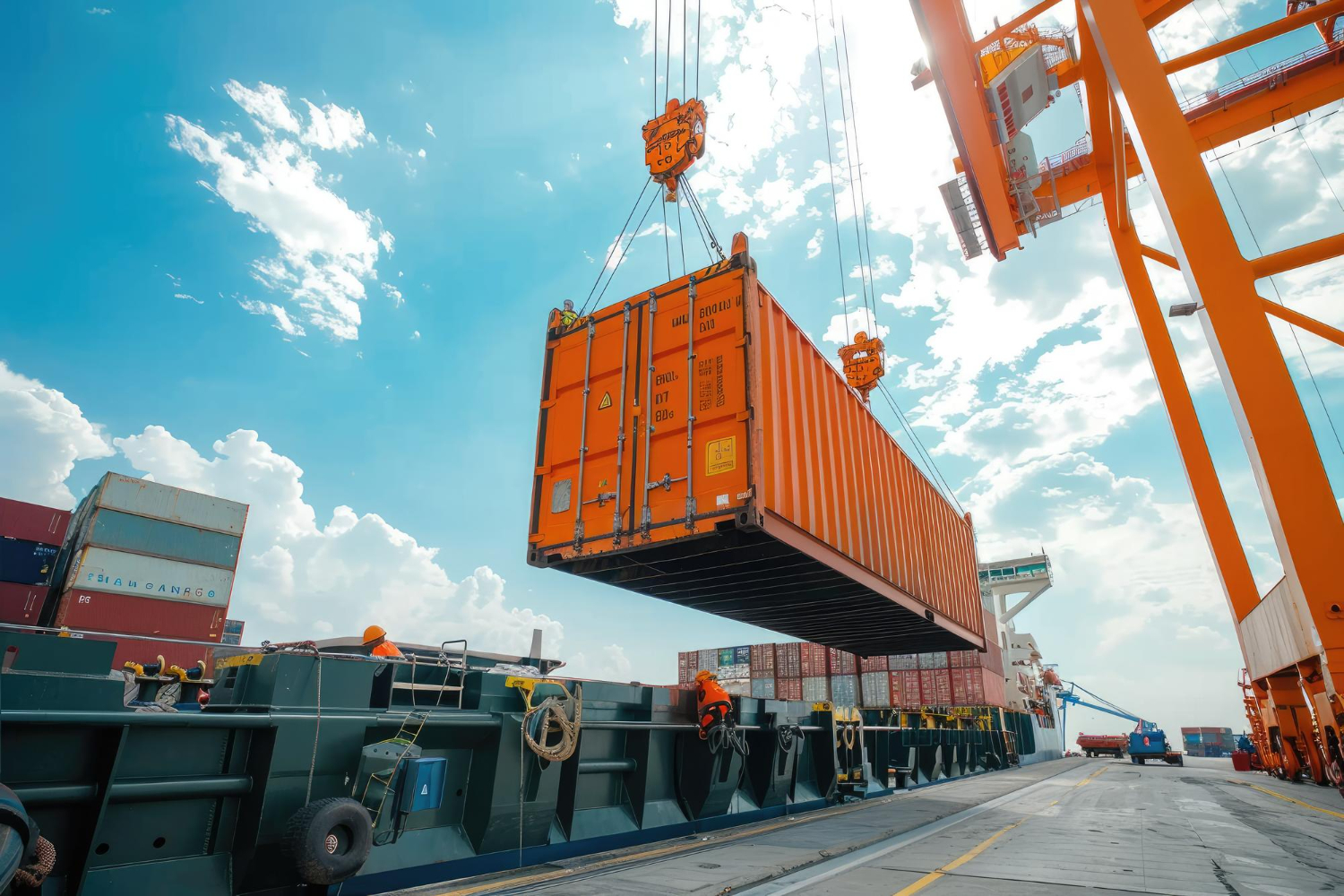
Damaged, corroded or poorly repaired containers can place cargo, personnel, lifting operations and transport schedules at serious risk. A container may look serviceable from a distance while still having cracked welds, weakened cross-members, damaged corner castings, defective doors or advanced corrosion in critical structural areas.
TechInspecta Integrity Services, Lda. provides professional Container Integrity Inspection & Certification services in Mozambique. We help shipping companies, logistics operators, oil and gas contractors, mining companies, ports, freight forwarders, construction businesses and container owners determine whether their containers remain safe and suitable for their intended service.
Our inspections can cover standard freight containers, offshore containers, cargo baskets, refrigerated containers, tank containers, open-top containers, flat racks, storage containers and modified container units.
Each inspection is based on the container type, intended use, operating environment, inspection purpose and applicable technical requirements. We examine the container structure, corner fittings, doors, floors, roof, side panels, welds, markings and associated lifting equipment.
Where required, we also provide Non-Destructive Testing, dimensional checks, leak testing, repair verification and detailed inspection documentation.
The result is clear, practical information that helps the client decide whether a container can remain in service, requires repair, needs further engineering assessment or must be withdrawn from use.
Do you need a container inspection before shipment, offshore mobilisation, hire, purchase or return? Contact TechInspecta for a technical and commercial proposal.
Professional Container Inspection Services in Mozambique
Container inspection is more than a quick visual check.
A proper inspection confirms the identity, physical condition and structural integrity of the container. It also identifies defects that may affect lifting, stacking, transport, cargo protection or safe access.
Depending on the agreed scope, the inspection may verify:
- The container identification number.
- The Safety Approval Plate.
- The date of the next examination.
- Approved Continuous Examination Programme markings.
- Maximum gross mass and stacking information.
- Container dimensions and type code.
- Structural-frame condition.
- Corner-casting condition.
- Weld integrity.
- Door operation and security.
- Floor strength and condition.
- Roof and wall condition.
- Evidence of water ingress.
- Damage caused by impact or overloading.
- Corrosion and material loss.
- Previous repairs and modifications.
- Suitability for the intended cargo or operation.
- Associated lifting-set condition.
- Compliance with client specifications.
TechInspecta adjusts the inspection depth to the actual commercial need. A pre-purchase survey, for example, may require a different level of examination from an offshore periodic inspection or a post-repair verification.
What Is Container Integrity Inspection?
Container integrity inspection is a systematic assessment of the condition of a freight, offshore, storage or specialised container.
Its purpose is to identify damage, deterioration or unauthorised alterations that may reduce the container’s ability to perform its intended function.
The inspector evaluates both structural and functional components. These normally include the corner posts, corner castings, side rails, end frames, floor cross-members, roof, wall panels, doors, locking systems and supporting welds.
The inspection also reviews the container’s plates and markings. These provide important information about the unit’s identity, rating, approved configuration and examination status.
A container integrity inspection may be required before:
- International shipment.
- Offshore mobilisation.
- Container leasing or return.
- Purchase or sale.
- Loading valuable cargo.
- Transporting industrial equipment.
- Conversion into a workshop or office.
- Recommissioning after storage.
- Reuse after an accident.
- Return to service following repair.
- Entry into a client facility.
- Renewal of a periodic inspection.
- Inclusion in an equipment fleet.
The final inspection report records the container’s condition and any action required.
Inspection Versus Certification
The terms “inspection” and “certification” are often used together. However, they do not always mean the same thing.
An inspection is the technical examination of the container.
Certification is the formal confirmation that defined requirements have been satisfied within a stated scope.
TechInspecta may provide an inspection report, condition statement, repair-verification report or certificate of inspection according to the contractual scope and its applicable authorisation.
However, a commercial inspection certificate must not be confused with a statutory approval issued under the International Convention for Safe Containers.
Under CSC 1972, containers used in international transport are approved for safety by the Administration of a Contracting Party or by an organisation acting on its behalf. The approved container carries a Safety Approval Plate containing relevant technical data. The owner remains responsible for maintenance and periodic examination.
Therefore, TechInspecta applies the following transparent approach:
- We define the type of certificate required before inspection.
- We confirm the applicable standard or client specification.
- We distinguish a condition certificate from statutory approval.
- We do not claim to issue regulatory approvals outside an authorised scope.
- We identify when approval from a competent authority or recognised organisation is required.
- We document inspection limitations and inaccessible areas.
- We issue findings based on objective evidence.
This distinction protects the client from relying on a document that does not satisfy the intended legal or contractual purpose.
Types of Containers We Inspect
General-Purpose Freight Containers
General-purpose containers are commonly used for dry cargo transported by road, rail and sea.
They include:
- 10-foot containers.
- 20-foot containers.
- 40-foot containers.
- 40-foot high-cube containers.
- Standard dry freight units.
- Ventilated containers.
- General cargo containers.
- Containers with side access.
- Containers fitted with additional cargo-securing points.
Inspection focuses on structural condition, cargo protection, door operation, corner fittings, flooring, markings and evidence of unauthorised modification.
ISO 1496-1 establishes basic specifications and testing requirements for general-purpose Series 1 freight containers intended for intermodal transport by road, rail and sea.
Offshore Containers
Offshore containers operate under more demanding conditions than standard freight containers.
They may be lifted between supply vessels and offshore installations in exposed marine environments. They can experience dynamic loads, impact, vibration, saltwater exposure and repeated handling.
Our offshore container inspection scope may cover:
- Offshore freight containers.
- Offshore service containers.
- Cargo baskets.
- Tool baskets.
- Bottle racks.
- Waste skips.
- Offshore workshops.
- Offshore laboratory units.
- Refrigerated offshore units.
- Offshore equipment boxes.
- Associated chain or wire-rope lifting sets.
- Shackles and lifting accessories.
- Padeyes and primary structures.
ISO 10855 addresses offshore containers and associated lifting sets. Its current series covers design and manufacture, lifting sets, and periodic inspection, examination and testing. ISO 10855-3 also includes inspection requirements following container damage and repair.
Where specified by the client, DNV-ST-E271 may also form part of the inspection basis. DNV describes this standard as covering approval and certification requirements for new and in-service offshore containers and lifting sets, including testing, marking and periodic inspection.
Tank Containers
Tank containers combine a tank pressure boundary with an intermodal supporting frame.
They may carry:
- Chemicals.
- Petroleum products.
- Liquefied gases.
- Food-grade liquids.
- Industrial liquids.
- Pressurised products.
- Dry bulk products designed for liquid-type discharge.
Inspection may involve two separate integrity scopes:
- The structural frame and container interface.
- The tank, valves, fittings and pressure-retaining components.
ISO 1496-3 specifies requirements for Series 1 tank containers used for liquids, gases and pressurised dry bulk during international intermodal transport.
Tank-container inspection may also require compliance with dangerous-goods transport rules, competent-authority requirements and approved test programmes. Pressure testing or statutory tank certification must only be performed under the correct authorisation and procedure.
Refrigerated Containers
Refrigerated containers protect temperature-sensitive cargo.
In addition to structural integrity, inspection may include:
- Insulated-panel condition.
- Door-gasket condition.
- Drainage arrangements.
- Refrigeration-unit mounting.
- Electrical-cable condition.
- Controller and display condition.
- Interior cleanliness.
- Evidence of moisture ingress.
- Floor and air-channel condition.
- Machinery-space access.
- Pre-trip inspection records.
A structural certificate does not automatically confirm the performance of the refrigeration machinery. Functional testing must be included as a separate scope where required.
Open-Top Containers
Open-top containers are used for cargo that cannot easily be loaded through standard doors.
Inspection may cover:
- Top rails.
- Roof bows.
- Removable headers.
- Tarpaulin supports.
- Tarpaulin condition.
- Lashing points.
- Door frames.
- Corner posts.
- Evidence of distortion from oversized cargo.
- Unauthorised cutting or welding.
Flat-Rack and Platform Containers
Flat racks and platform-based containers carry heavy, oversized or irregular cargo.
Critical inspection areas include:
- End walls.
- Folding mechanisms.
- Locking devices.
- Load-bearing deck.
- Main longitudinal members.
- Cross-members.
- Corner castings.
- Lashing points.
- Welds.
- Localised deformation.
- Evidence of overloading.
- Previous structural repairs.
Storage Containers
Containers used for static storage may not always require international transport approval. However, they must still be suitable for their location, contents and intended access.
Inspection may cover:
- Structural condition.
- Weather-tightness.
- Floor integrity.
- Door operation.
- Ventilation.
- Corrosion.
- Sharp edges.
- Access safety.
- Electrical modifications.
- Fire-safety provisions.
- Foundation and support condition.
- Suitability for hazardous materials.
Modified and Converted Containers
Shipping containers are frequently converted into:
- Offices.
- Workshops.
- Control rooms.
- Laboratories.
- Accommodation units.
- Generator enclosures.
- Electrical rooms.
- Chemical stores.
- Equipment modules.
- Portable maintenance units.
- Medical units.
- Security facilities.
Cutting openings into a container can change its structural behaviour. Poorly designed modifications may weaken the side walls, end frames, roof or primary load path.
Our inspection may review:
- Added doors and windows.
- Structural reinforcement.
- Weld quality.
- Equipment supports.
- Roof penetrations.
- Ventilation.
- Electrical installations.
- Fire resistance.
- Escape arrangements.
- Lifting points.
- Centre of gravity.
- Weight markings.
- Floor loading.
- Corrosion protection.
- Engineering documentation.
Where modifications affect the original approved design, additional engineering assessment or reapproval may be required.
Container Components Covered by Our Inspection
Corner Castings and Corner Posts
Corner castings provide critical interfaces for lifting, securing and stacking.
We inspect them for:
- Cracks.
- Distortion.
- Elongated apertures.
- Excessive wear.
- Corrosion.
- Mechanical damage.
- Poor repairs.
- Damaged connecting welds.
- Obstructions.
- Unauthorised attachments.
Corner posts are checked for dents, bows, twisting, corrosion, cracking and loss of alignment.
ISO 1161 addresses the functional, dimensional and strength requirements of corner and intermediate fittings used on Series 1 freight containers.
Top and Bottom Rails
Side and end rails transfer structural loads through the container frame.
Inspection looks for:
- Buckling.
- Bending.
- Impact damage.
- Cracks.
- Corrosion.
- Failed welds.
- Section loss.
- Cut-outs.
- Poor reinforcement.
- Misalignment.
Damage to a rail may affect door operation, stacking strength or overall container geometry.
Floor and Cross-Members
The floor supports the cargo and distributes load into the understructure.
We inspect:
- Floorboards.
- Delamination.
- Holes.
- Rot.
- Chemical contamination.
- Loose fixings.
- Excessive wear.
- Forklift damage.
- Cross-member corrosion.
- Cracked welds.
- Distorted supports.
- Missing sections.
- Unapproved patches.
Floor condition is especially important for concentrated cargo loads, wheeled equipment and containerised machinery.
Roof Panels and Roof Bows
Roof damage can lead to water ingress and may indicate stacking, impact or handling damage.
Common defects include:
- Punctures.
- Dents.
- Corrosion holes.
- Failed seams.
- Cracked welds.
- Detached roof bows.
- Pooling water.
- Unauthorised roof penetrations.
- Repairs with inadequate overlap or sealing.
Side and End Walls
Wall panels contribute to enclosure integrity and may also contribute to structural performance.
We assess:
- Deep dents.
- Cuts.
- Holes.
- Corrosion.
- Loose panels.
- Failed welds.
- Bulging.
- Separation from rails.
- Poor patches.
- Cargo impact damage.
- Evidence of contamination.
Doors, Hinges and Locking Systems
Container doors must close securely and provide adequate cargo protection.
Inspection may include:
- Door-panel condition.
- Hinge operation.
- Hinge pins.
- Locking rods.
- Rod retainers.
- Cam keepers.
- Handles.
- Customs-seal arrangements.
- Door gaskets.
- Door alignment.
- Header condition.
- Sill condition.
- Excessive force required to open or close.
- Evidence of tampering.
A door that cannot be safely opened or secured can injure personnel and delay cargo operations.
Welded Connections
Welded connections are examined for:
- Visible cracking.
- Undercut.
- Incomplete repair.
- Porosity.
- Lack of fusion indications.
- Arc strikes.
- Poor fit-up.
- Corrosion at the weld toe.
- Unapproved attachments.
- Cracked repair welds.
Where visual inspection cannot provide enough confidence, a suitable NDT method may be recommended.
Identification Plates and Markings
Inspection can verify:
- Owner code.
- Equipment-category identifier.
- Serial number.
- Check digit.
- Size and type code.
- Maximum gross mass.
- Tare mass.
- Payload.
- Height warning marks.
- Safety Approval Plate.
- Examination date.
- ACEP marking.
- Offshore-container markings.
- Lifting-set identification.
- Dangerous-goods markings where relevant.
ISO 6346 provides a system for freight-container identification, coding and presentation of operational marks.
Common Container Defects We Identify
Container damage can occur during lifting, stacking, loading, road transport, vessel operations, storage or repair.
Common findings include:
- Corroded structural members.
- Cracked corner-casting welds.
- Distorted corner posts.
- Damaged top rails.
- Bent bottom side rails.
- Broken or corroded cross-members.
- Perforated wall panels.
- Roof punctures.
- Failed door gaskets.
- Seized hinges.
- Damaged locking rods.
- Missing identification plates.
- Expired inspection markings.
- Unauthorised structural modifications.
- Inadequate repair plates.
- Cracked repair welds.
- Damaged lifting padeyes.
- Worn shackles.
- Damaged offshore lifting slings.
- Contaminated floors.
- Water ingress.
- Light leakage.
- Racking or loss of squareness.
- Excessive local deformation.
- Missing lashing points.
- Sharp edges and exposed metal.
- Fire or heat damage.
- Chemical attack.
- Forklift impact damage.
- Evidence of overloading.
The significance of each defect depends on its size, location, depth and effect on the container’s load path.
Our Container Integrity Inspection Process
1. Scope and Certification Review
We first confirm why the container is being inspected.
The inspection basis may be influenced by:
- International transport.
- Domestic transport.
- Offshore use.
- Storage use.
- Lease return.
- Purchase or sale.
- Client acceptance.
- Periodic examination.
- Post-repair verification.
- Cargo-worthiness.
- Dangerous-goods transport.
- Conversion or modification.
- Insurance or damage assessment.
We also confirm the type of document expected at completion.
2. Document Review
Available documentation may include:
- Previous inspection reports.
- Repair history.
- Manufacturer information.
- Safety Approval Plate data.
- ACEP registration details.
- Container identification records.
- Offshore design certificate.
- Lifting-set certificate.
- Test records.
- Modification drawings.
- Welding procedures.
- Material certificates.
- NDT reports.
- Load-test records.
- Client specifications.
Missing documentation is recorded as a limitation or action item.
3. Container Identification
The inspector records the container number, type, size, owner information and visible plate details.
The identification is compared with available records where possible.
Incorrect, altered or inconsistent markings are reported.
4. External Visual Inspection
The external survey covers accessible structural and functional components.
The inspector examines:
- Front end.
- Door end.
- Right side.
- Left side.
- Roof.
- Underside where access permits.
- Corner posts.
- Corner castings.
- Rails.
- Panels.
- Welds.
- Doors.
- Markings.
- Previous repairs.
The container should be clean enough for an effective examination.
5. Internal Inspection
The internal inspection checks:
- Floor condition.
- Interior panels.
- Roof underside.
- Door operation.
- Sharp projections.
- Contamination.
- Light penetration.
- Water staining.
- Odour.
- Cargo-restraint points.
- Evidence of hidden corrosion.
- Unprotected modifications.
Safe access and atmospheric conditions must be confirmed before entry.
6. Dimensional and Functional Checks
Where required, we check:
- Door opening dimensions.
- Door alignment.
- Container squareness.
- Diagonal measurements.
- Local deformation.
- Locking-system function.
- Folding components.
- Removable components.
- Lashing points.
- Padeye dimensions.
- Lifting-set compatibility.
Measurement equipment is selected according to the required accuracy.
7. Non-Destructive Testing
NDT may be used when visual inspection identifies suspect areas or when the governing procedure requires additional examination.
Methods may include:
- Liquid Penetrant Testing.
- Magnetic Particle Testing.
- Ultrasonic thickness measurement.
- Ultrasonic weld examination.
- Radiographic Testing where justified.
- Eddy-current techniques for specialised applications.
- Coating-thickness measurement.
ASTM E165/E165M provides procedures for penetrant examination of surface-breaking discontinuities. ASTM E709 provides guidance for magnetic-particle testing of ferromagnetic materials, while ASTM E3024/E3024M establishes industrial magnetic-particle testing requirements.
ASME BPVC Section V may be referenced when NDE is required under an ASME-based pressure-equipment or transport-tank scope. It is not the general structural certification standard for an ordinary dry freight container.
8. Watertightness or Light-Leak Testing
Cargo protection may be checked through an agreed test method.
Options may include:
- Controlled light-leak inspection.
- Hose testing.
- Water-spray testing.
- Seal examination.
- Door-gasket compression checks.
- Roof and panel seam checks.
The test method and acceptance criteria must be agreed before execution.
A container that is weatherproof for static storage may not automatically satisfy cargo-worthy or seaworthy requirements.
9. Load or Proof Testing
Load testing is not automatically required for every periodic container inspection.
It may be necessary when:
- Required by the applicable offshore-container standard.
- Required after a major structural repair.
- New lifting points have been installed.
- The design has been modified.
- Previous overload is suspected.
- The client specification requires proof testing.
- A competent authority or recognised organisation requires it.
The load-test arrangement must be based on an approved procedure. It must use calibrated equipment and appropriate safety controls.
A successful load test does not compensate for serious defects, poor design or inadequate documentation.
10. Defect Classification
Findings may be classified as:
- Acceptable.
- Monitor.
- Repair before continued use.
- Further NDT required.
- Engineering assessment required.
- Restricted use.
- Withdraw from service.
- Statutory approval required.
- Documentation incomplete.
The classification system is agreed with the client or taken from the applicable inspection criteria.
11. Reporting and Certification
The final documentation may include:
- Container identification.
- Inspection date and location.
- Inspection scope.
- Applicable criteria.
- Photographs.
- Measurements.
- Defect descriptions.
- NDT results.
- Repair recommendations.
- Acceptance status.
- Inspection limitations.
- Next-action requirements.
- Inspector identification.
- Certificate number.
- Recommended reinspection date.
- Repair-verification requirements.
12. Repair Verification
Following repair, TechInspecta can verify whether the identified defects were addressed.
Repair verification may include:
- Visual inspection.
- Dimensional checks.
- Weld inspection.
- NDT.
- Coating inspection.
- Door-function testing.
- Leak testing.
- Review of repair documentation.
- Confirmation of replacement components.
- Final close-out report.
Repairs that change the approved design may require review by the original manufacturer, design authority, competent authority or recognised certification body.
Container Examination Programmes
Periodic Examination Scheme
Under a periodic examination scheme, the container is examined by the required due date. The next examination date is marked according to the applicable programme.
The owner must maintain records and ensure that the unit is examined at the correct interval.
Approved Continuous Examination Programme
An Approved Continuous Examination Programme, commonly known as ACEP, integrates container examination with events such as major repair, refurbishment or interchange.
IMO guidance states that CSC amendments permit owners to use either a periodic examination scheme or an approved continuous examination programme. Examinations under an ACEP remain subject to programme controls and are not simply informal visual checks.
TechInspecta can support clients through:
- Container condition inspection.
- ACEP-marking verification.
- Documentation review.
- Defect reporting.
- Repair verification.
- Fleet-condition surveys.
- Identification of overdue examinations.
- Inspection-register development.
Formal ACEP approval remains subject to the competent Administration or its authorised organisation.
Standards and Technical References
The correct inspection standard depends on the container type and intended service.
The contract should identify the applicable editions before mobilisation.
International Convention for Safe Containers
CSC 1972 establishes a uniform international safety framework for most freight containers used in international surface transport.
The Convention addresses:
- Safety approval.
- Structural testing.
- Safety Approval Plates.
- Owner responsibilities.
- Maintenance.
- Periodic examination.
- Continuous examination programmes.
CSC approval should not be claimed for a container unless the applicable approval process has been satisfied.
ISO 668
ISO 668 covers the classification, external dimensions and ratings of Series 1 freight containers.
It is relevant when confirming container type, size and interchange compatibility.
ISO 1496 Series
The ISO 1496 series addresses specification and testing requirements for different container types.
Relevant parts may include:
- General-purpose cargo containers.
- Thermal containers.
- Tank containers.
- Non-pressurised dry-bulk containers.
- Platform and platform-based containers.
ISO 1161
ISO 1161 addresses corner and intermediate fittings.
It is relevant to corner-casting geometry, interchangeability and structural requirements.
ISO 3874
ISO 3874 addresses the handling and securing of Series 1 freight containers.
It may be relevant to lifting methods, securing arrangements and operational handling. ISO identifies it among the primary standards for freight-container handling and securing.
ISO 6346
ISO 6346 addresses container coding, identification and marking.
It supports the verification of:
- Owner codes.
- Serial numbers.
- Check digits.
- Size and type codes.
- Operational marks.
ISO 10855 Series
ISO 10855 applies to offshore containers and associated lifting sets.
Its parts address:
- Design, manufacture and marking of offshore containers.
- Design, manufacture and marking of lifting sets.
- Periodic inspection, examination and testing.
DNV-ST-E271
DNV-ST-E271 may be specified for offshore containers and lifting sets.
Where the client requires DNV certification, all approvals, surveys and certificates must follow the applicable DNV process and authorisation.
An independent condition inspection does not replace DNV product certification.
CTU Code
The IMO/ILO/UNECE Code of Practice for Packing of Cargo Transport Units provides guidance on the loading, securing, receipt and unpacking of cargo transport units throughout the intermodal transport chain.
The CTU Code may be relevant when the scope includes:
- Container suitability before packing.
- Cargo distribution.
- Cargo securing.
- Dangerous goods.
- Container cleanliness.
- Safe opening and unpacking.
- Packing-party responsibilities.
IMDG Code
The International Maritime Dangerous Goods Code applies where containers carry dangerous goods by sea.
Inspection may need to consider:
- Placards and marks.
- Container condition.
- Cleanliness.
- Cargo segregation.
- Packing certification.
- Dangerous-goods documentation.
- Tank-container testing.
- Leakage or contamination.
The latest applicable edition must be verified for each project.
ASTM Standards
ASTM standards may support NDT and material examination.
They are generally used for the examination method rather than as the primary freight-container design standard.
ASME Standards
ASME requirements may be relevant to:
- Transport tanks.
- Pressure-retaining components.
- NDE procedures.
- Welding qualifications.
- Containerised pressure equipment.
They do not automatically govern the structural certification of standard dry freight containers.
API Standards
API standards are not normally the primary standards for ISO freight-container structural certification.
However, they may be relevant when a container houses:
- Oil and gas process equipment.
- Fuel systems.
- Pressure vessels.
- Storage or transfer equipment.
- Pipeline components.
- Petroleum measurement systems.
The container structure and the installed process equipment may therefore require separate inspection criteria.
LEEA Guidance
LEEA competence and guidance are relevant when the scope includes:
- Offshore-container lifting sets.
- Shackles.
- Slings.
- Container lifting lugs.
- Lifting accessories.
- Thorough examination.
- Load testing.
LEEA offers specialised qualifications for personnel involved in offshore-container inspection, examination, repair and maintenance. Its technical library also includes guidance concerning lifting sets and container lifting lugs.
LEEA references do not replace CSC or ISO container-structure requirements. They apply to the relevant lifting-equipment scope.
Client and Local Requirements
We also consider:
- Applicable Mozambican requirements.
- Port and terminal rules.
- Shipping-line requirements.
- Offshore-operator specifications.
- EPC contractor procedures.
- Manufacturer instructions.
- Container-owner criteria.
- Approved repair manuals.
- Insurance requirements.
- Project-specific inspection plans.
Container Inspection Service Comparison
| Service type | Primary purpose | Main inspection focus | Typical output |
|---|---|---|---|
| Pre-shipment inspection | Confirm condition before loading or transport | Structure, doors, floor, roof, markings and cargo protection | Pre-shipment inspection report |
| Cargo-worthy inspection | Determine suitability for general cargo | Weather-tightness, cleanliness, structure and door operation | Cargo-worthy condition statement |
| CSC examination support | Verify examination condition and plate information | CSC plate, structural condition, examination status and records | Inspection report for authorised process |
| Offshore-container inspection | Verify offshore structural and lifting integrity | Primary structure, padeyes, welds, lifting set and markings | Offshore inspection report or certificate within authorised scope |
| Tank-container inspection | Assess frame and tank-related condition | Frame, tank shell, valves, fittings, markings and test status | Tank-container inspection report |
| Pre-purchase survey | Support commercial purchase decisions | Overall condition, repairs, remaining serviceability and documents | Condition and defect report |
| Lease-return inspection | Record condition at off-hire | Damage, cleanliness, missing parts and repair needs | Off-hire inspection report |
| Post-repair inspection | Verify completed repairs | Repair dimensions, weld quality, NDT and coating | Repair-verification report |
| Modified-container inspection | Evaluate conversion condition | Reinforcement, openings, supports, electrical work and lifting points | Modification-condition report |
| Storage-container inspection | Confirm safe static use | Structure, access, ventilation, corrosion and weather-tightness | Storage-use inspection report |
Benefits of Container Integrity Inspection & Certification
Improved Personnel Safety
Container defects can affect lifting, stacking, transport and door operation.
Early identification reduces the risk of collapse, dropped objects, uncontrolled door movement and sharp-edge injuries.
Better Cargo Protection
A sound roof, reliable door seal and intact floor help protect cargo from rain, contamination, theft and physical damage.
Reduced Shipment Delays
Containers can be rejected at depots, terminals, ports or client sites when their condition or documentation is unacceptable.
Pre-shipment inspection helps identify problems before mobilisation.
Improved Regulatory and Contractual Compliance
A documented inspection helps demonstrate that the owner or operator has taken reasonable steps to verify the container’s condition.
Better Repair Decisions
A detailed defect report allows the client to separate minor repairs from serious structural damage.
This reduces unnecessary repair costs and prevents unsafe cosmetic repairs.
Longer Container Service Life
Timely corrosion treatment, component replacement and professional repair can extend the useful life of serviceable containers.
Reduced Commercial Disputes
Photographs, measurements and clear defect descriptions provide evidence during:
- Lease returns.
- Freight claims.
- Insurance matters.
- Purchase negotiations.
- Repair disputes.
- Contractor handovers.
- Offshore mobilisation.
Improved Fleet Management
Fleet inspections help container owners identify:
- Overdue examinations.
- Recurring defects.
- Poor repair quality.
- High-maintenance units.
- Missing documentation.
- Containers approaching retirement.
Industries We Serve
Shipping and Logistics
We support:
- Shipping companies.
- Container depots.
- Freight forwarders.
- Road transporters.
- Logistics operators.
- Warehouse operators.
- Importers and exporters.
- Cargo owners.
Oil and Gas
Our services can support:
- Offshore logistics.
- Supply bases.
- LNG projects.
- Gas-processing plants.
- Exploration projects.
- Drilling contractors.
- EPC contractors.
- Maintenance campaigns.
- Offshore container fleets.
- Containerised equipment packages.
Mining
Mining operations use containers for:
- Spare parts.
- Workshops.
- Chemical storage.
- Tools.
- Electrical equipment.
- Sample storage.
- Mobile offices.
- Remote-site logistics.
Construction and Infrastructure
We inspect containers used for:
- Site offices.
- Material storage.
- Workshops.
- Equipment transport.
- Temporary power systems.
- Project accommodation.
- Secure storage.
- Mobile laboratories.
Energy and Power Generation
Containerised equipment may include:
- Generators.
- Switchgear.
- Battery systems.
- Control rooms.
- Spare parts.
- Maintenance tools.
- Fuel-system components.
- Emergency equipment.
Marine and Ports
Services may support:
- Port terminals.
- Marine contractors.
- Vessel operators.
- Coastal projects.
- Offshore support bases.
- Cargo-handling operations.
- Crane and lifting activities.
Chemical and Manufacturing Industries
Container inspections can support the safe transport or storage of:
- Raw materials.
- Finished products.
- Chemicals.
- Industrial tools.
- Machine components.
- Waste.
- Maintenance equipment.
When Should a Container Be Inspected?
Request an inspection when:
- The examination date is approaching.
- The container has been damaged.
- The unit has been involved in an accident.
- A heavy impact has occurred.
- The container has been overloaded.
- Corrosion is visible.
- Water ingress has been reported.
- The doors no longer operate correctly.
- The container has received major repairs.
- New lifting points have been installed.
- The unit has been modified.
- The container has been stored for a long period.
- The ownership is changing.
- The unit is being purchased.
- A lease is beginning or ending.
- The container is being sent offshore.
- Valuable cargo will be loaded.
- Dangerous goods will be transported.
- Documentation is missing.
- The client requires independent verification.
Do not wait until a container is rejected at a terminal or mobilisation point. Arrange an inspection before the planned transport date.
Our Inspection Deliverables
Depending on the scope, TechInspecta may provide:
- Container inspection certificate.
- Detailed condition report.
- Photographic defect register.
- CSC plate verification record.
- Offshore-container inspection report.
- Lifting-set inspection report.
- NDT report.
- Ultrasonic thickness record.
- Repair recommendation.
- Repair-verification report.
- Load-test report.
- Watertightness-test report.
- Fleet inspection register.
- Container status summary.
- Electronic inspection database.
- Colour-coded defect classification.
- Reinspection recommendation.
Each report identifies the standard or acceptance basis used.
Information Required for a Quotation
To prepare an accurate proposal, provide:
- Number of containers.
- Container types and sizes.
- Inspection location.
- Intended use.
- Required inspection date.
- Current examination status.
- Applicable standard.
- Certification requirement.
- Whether containers are empty or loaded.
- Access conditions.
- Need for NDT.
- Need for lifting-set inspection.
- Need for leak testing.
- Need for load testing.
- Previous inspection or repair reports.
- Preferred reporting format.
Where the client is unsure about the required standard, TechInspecta can help define a suitable inspection scope.
Why Choose TechInspecta Integrity Services, Lda.?
Mozambique-Based Technical Support
TechInspecta provides local technical support for industrial and logistics projects in Mozambique.
This helps clients simplify mobilisation, site coordination and communication.
Integrated Inspection Capability
Our capabilities can combine:
- Container inspection.
- Structural inspection.
- Welding inspection.
- Non-Destructive Testing.
- Lifting-equipment inspection.
- Coating inspection.
- Mechanical integrity inspection.
- Electrical inspection.
- Technical reporting.
This integrated approach is especially valuable for offshore and modified container units.
Standards-Based Inspection
We define the inspection basis before fieldwork begins.
This prevents vague statements such as “container certified” when the certificate type and approval route have not been established.
Clear and Actionable Reports
Our reports explain:
- What was inspected.
- Which criteria were applied.
- What defects were found.
- Where the defects are located.
- Why they matter.
- What action is required.
- Which limitations apply.
Independent Technical Assessment
An independent inspection gives owners, buyers, contractors and operators an objective view of container condition.
Strong Safety Focus
Inspection activities are planned around:
- Site safety rules.
- Container stability.
- Safe access.
- Lifting hazards.
- Confined-space risks.
- Sharp edges.
- Contamination.
- Stored energy.
- Load-testing exclusion zones.
- Dangerous-goods controls.
Flexible Service Scope
We can support:
- One container.
- Container fleets.
- Depot inspections.
- Offshore mobilisation campaigns.
- Construction projects.
- Shutdown logistics.
- Pre-purchase surveys.
- Repair programmes.
- Periodic inspection contracts.
Technical Integrity and Transparency
We clearly distinguish:
- Visual inspection from NDT.
- Condition certification from statutory approval.
- Cargo-worthiness from seaworthiness.
- Container structure from installed equipment.
- Inspection from design verification.
- Repair verification from design reapproval.
This transparency helps clients select the correct service and rely on the final documentation with confidence.
Request Container Inspection and Certification in Mozambique
A container should not be assumed safe because it can still be lifted, moved or closed.
Structural damage, corrosion and poor repairs can remain hidden until the unit is heavily loaded, stacked or exposed to dynamic lifting conditions.
TechInspecta Integrity Services, Lda. provides professional Container Integrity Inspection & Certification support for cargo, offshore, storage, refrigerated, tank and modified containers across Mozambique.
Contact us for:
- Freight-container inspection.
- CSC examination support.
- Offshore-container inspection.
- Tank-container inspection.
- Cargo-worthy surveys.
- Pre-purchase inspections.
- Lease-return inspections.
- Container repair verification.
- Lifting-set inspection.
- Container NDT.
- Watertightness testing.
- Container fleet surveys.
Request a quotation today and confirm the condition of your containers before the next shipment, lift or mobilisation.
Email: info@techinspecta.com
Service area: Mozambique
Not automatically.
A TechInspecta inspection certificate confirms the results of the inspection within the stated scope.
CSC safety approval and authorisation to affix or validate a Safety Approval Plate are controlled by a Contracting Party’s Administration or an organisation acting on its behalf.
The required certification route must be confirmed before inspection.
The required interval depends on the examination programme, container type, condition and applicable rules.
Under the CSC framework, containers may be managed through a periodic examination scheme or an approved continuous examination programme.
Containers should also be examined after significant damage, major repair or any event that could affect structural safety.
The inspection normally covers:
- Identification markings.
- Safety Approval Plate.
- Corner castings.
- Corner posts.
- Top and bottom rails.
- Cross-members.
- Floor.
- Roof.
- Side panels.
- End walls.
- Doors.
- Hinges.
- Locking rods.
- Welds.
- Repairs.
- Corrosion.
- Water-tightness indicators.
Additional checks are included according to the container type.
Yes.
The scope can include offshore freight containers, service containers, baskets, skips, workshops and associated lifting sets.
The applicable basis may include ISO 10855, DNV-ST-E271, client requirements and relevant lifting-equipment criteria.
Formal DNV certification must follow DNV’s authorised certification process.
Yes.
The container structure and lifting set have related but separate inspection requirements.
The lifting set may include chain slings, wire-rope slings, shackles, master links and connecting components.
Each component should have traceable identification and suitable certification.
A limited external inspection may sometimes be completed while the container is loaded.
However, the floor, internal walls, roof underside and internal repairs cannot be fully assessed without safe internal access.
The report will clearly state any limitations.
No.
Routine load testing is not necessary for every container inspection.
It may be required after major repair, structural modification, lifting-point alteration, overload or under a specific offshore-container inspection programme.
Many containers can be repaired.
However, the repair must restore the required structural and functional condition.
Major repairs may require approved drawings, qualified welders, suitable materials, NDT, dimensional verification, load testing or design-authority approval.
The report identifies the reasons for rejection and the required action.
The container may need repair, further NDT, engineering assessment, restricted use or withdrawal from service.
After repair, a follow-up inspection can verify completion.
Yes.
We can inspect the container structure, doors, seals, insulation condition and visible refrigeration-unit installation.
A full machinery pre-trip inspection or temperature-performance test should be included as a separate specialist scope.
TechInspecta provides inspection support for projects across Mozambique, subject to mobilisation arrangements, site access and project scope.
Services may be performed at ports, depots, warehouses, industrial sites, construction projects, supply bases and client facilities.
Provide the number and type of containers, inspection location, required standard, intended use and preferred inspection date.
Send the request to info@techinspecta.com with any available photographs, certificates or previous inspection reports.