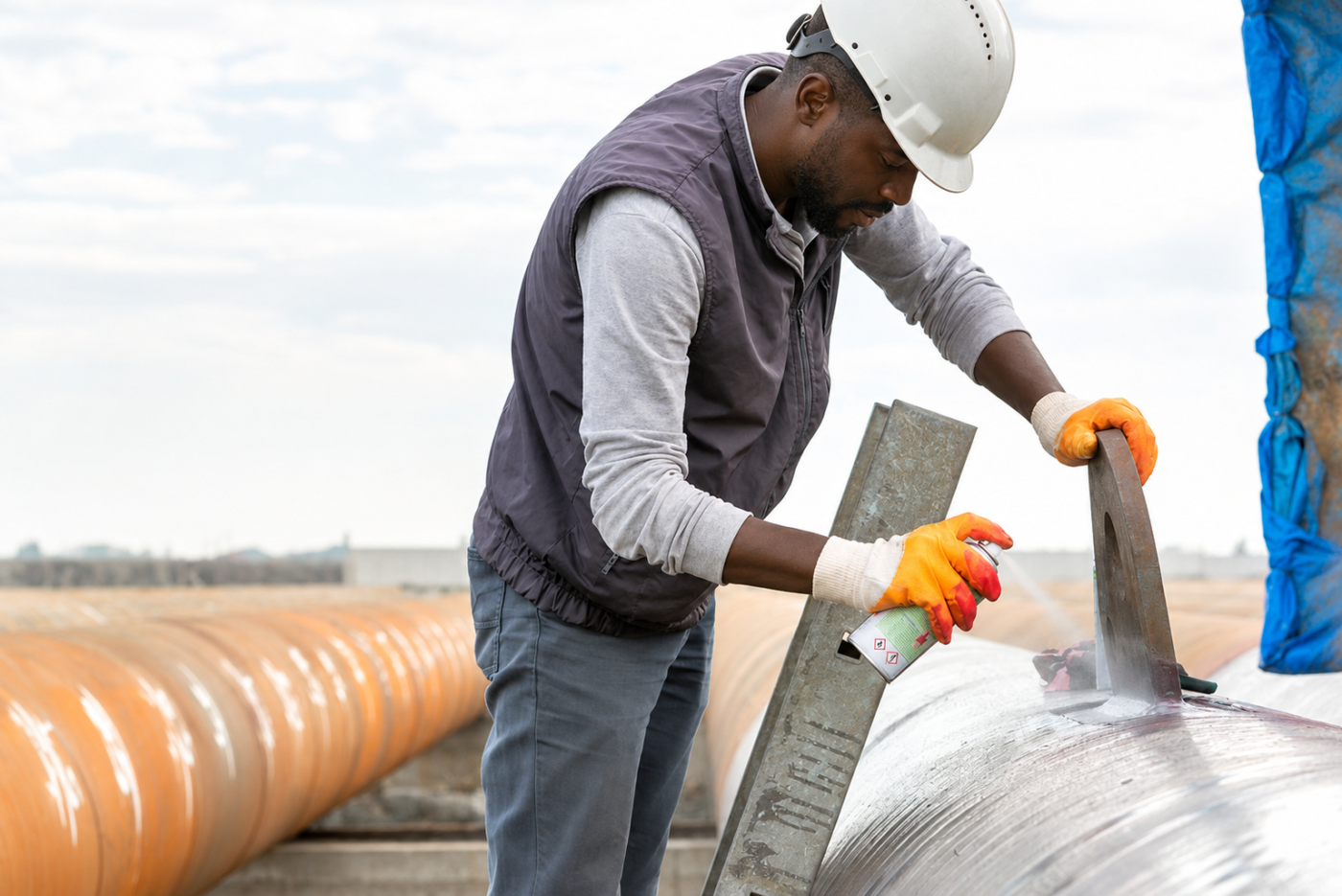
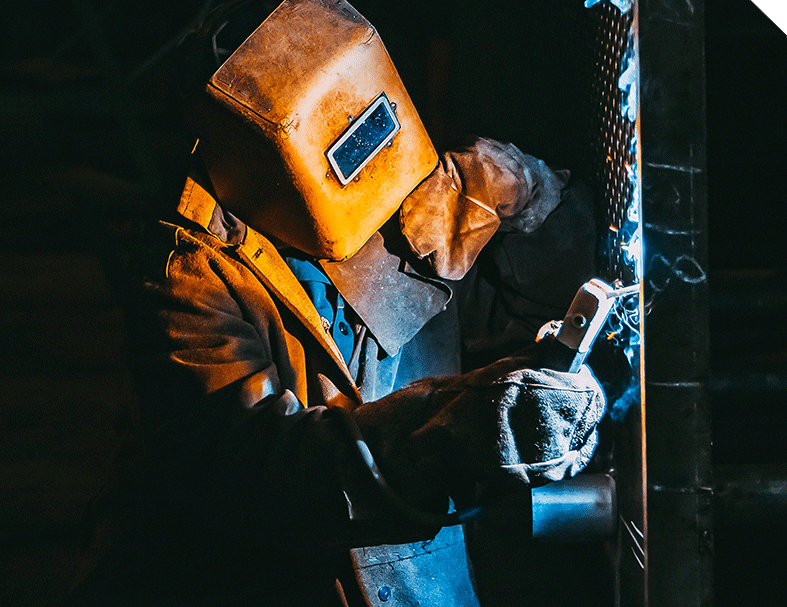
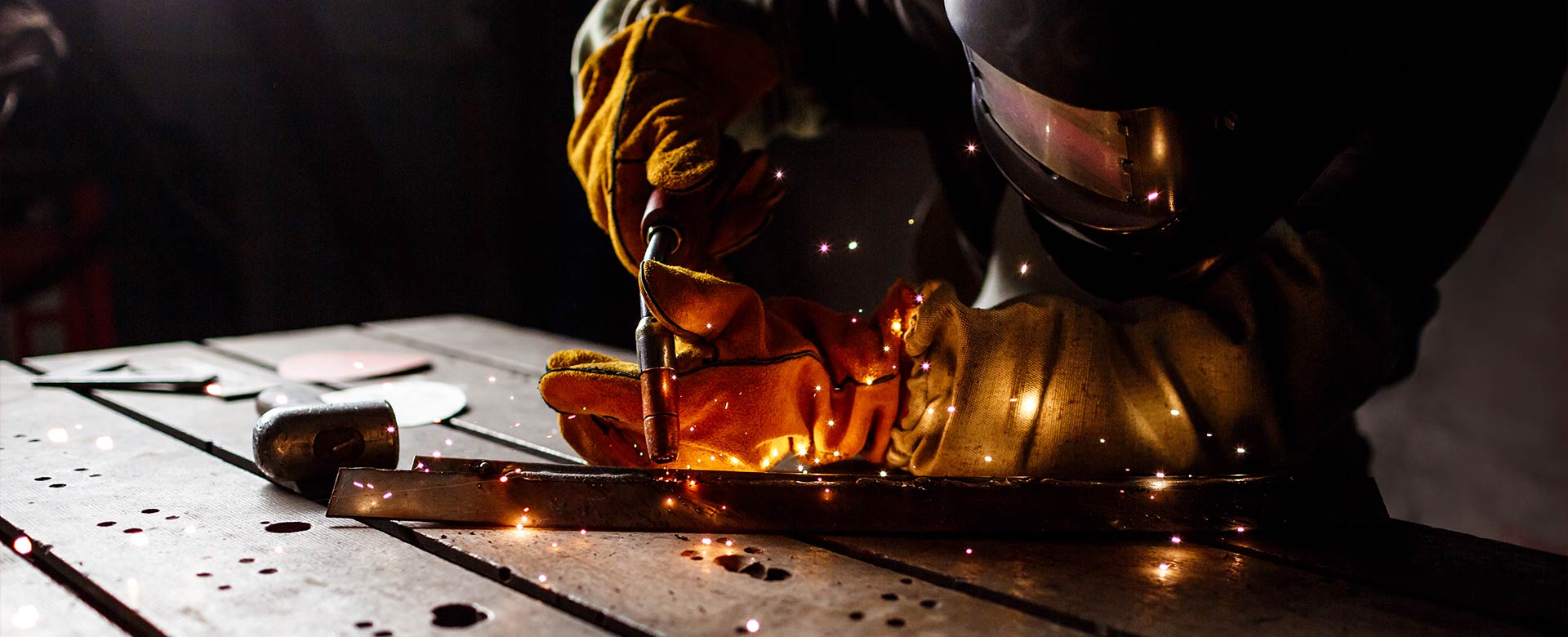
We provide Certified Welding Inspectors (CWIs or CSWIP) for full-time or periodic oversight, review Welding Procedure Specifications (WPS/PQR), welder qualifications, and documentation. We issue NCRs for non-conformances and support repairs.
Mining companies operate in demanding environments where equipment failure can lead to production downtime, safety incidents, costly repairs and operational delays. Heavy lifting operations, mobile and fixed equipment, structural components, electrical systems, pressure systems and welded assets are constantly exposed to mechanical stress, corrosion, fatigue, impact damage and harsh site conditions. Clients need reliable inspection support to ensure that their equipment remains safe, compliant and fit for purpose.
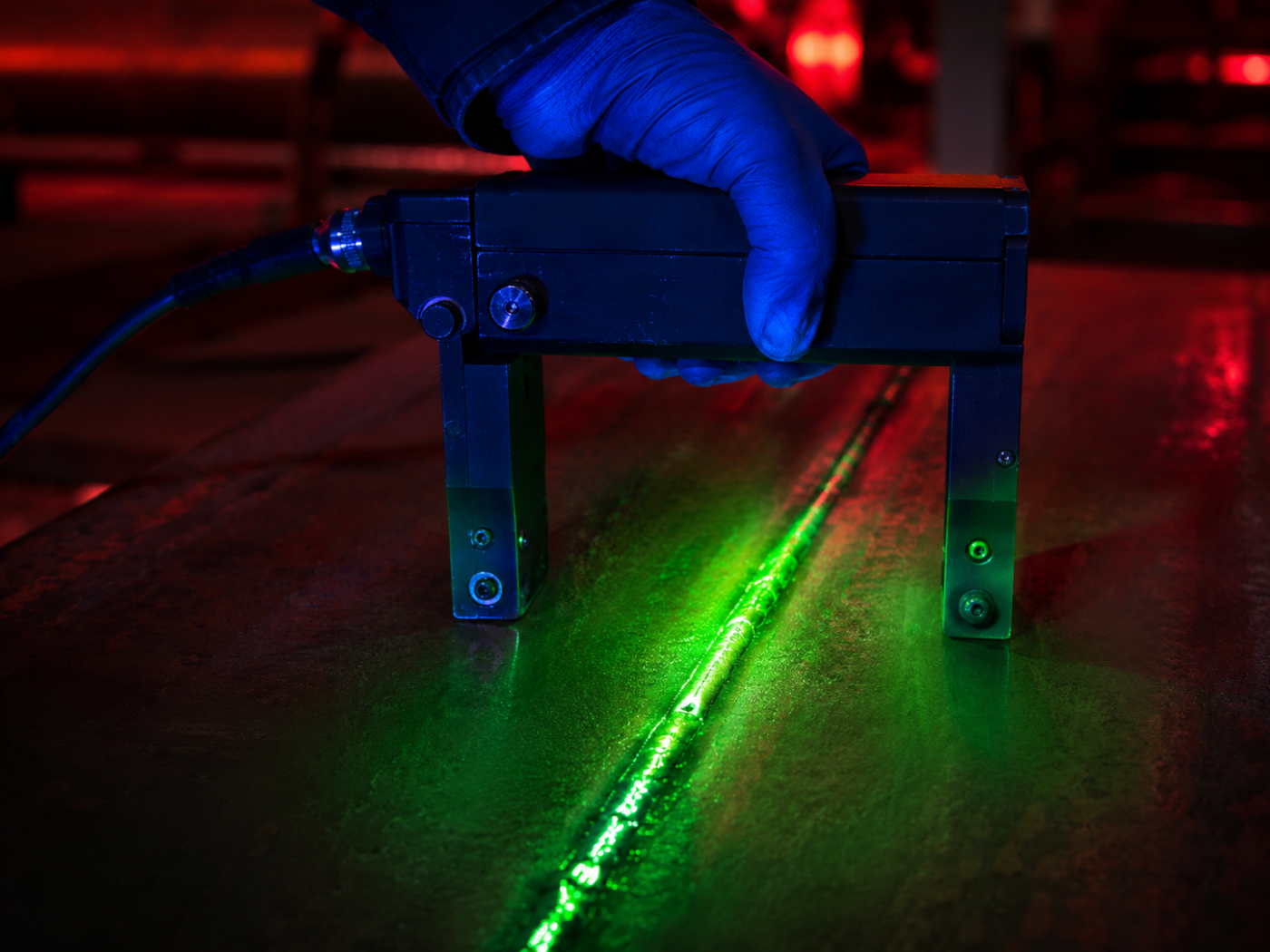
TechInspecta supports clients by providing, coordinating, witnessing or reviewing NDT activities to verify the integrity of materials, welds and equipment. We help clients detect defects before they become operational failures.
Common NDT methods include:
- Visual Testing
- Penetrant Testing
- Magnetic Particle Testing
- Ultrasonic Testing
- Radiographic Testing
- Eddy Current Testing
- Thickness Measurement
- Hardness Testing
- Positive Material Identification
- Holiday Testing for coatings
Common references include ISO 9712 and ASNT SNT-TC-1A for NDT personnel qualification/certification, plus ASME Section V for NDE methods. ISO 9712 covers qualification and certification requirements for industrial NDT personnel, while ASME Section V covers nondestructive examination used to detect surface and internal discontinuities in materials, welds and fabricated parts.
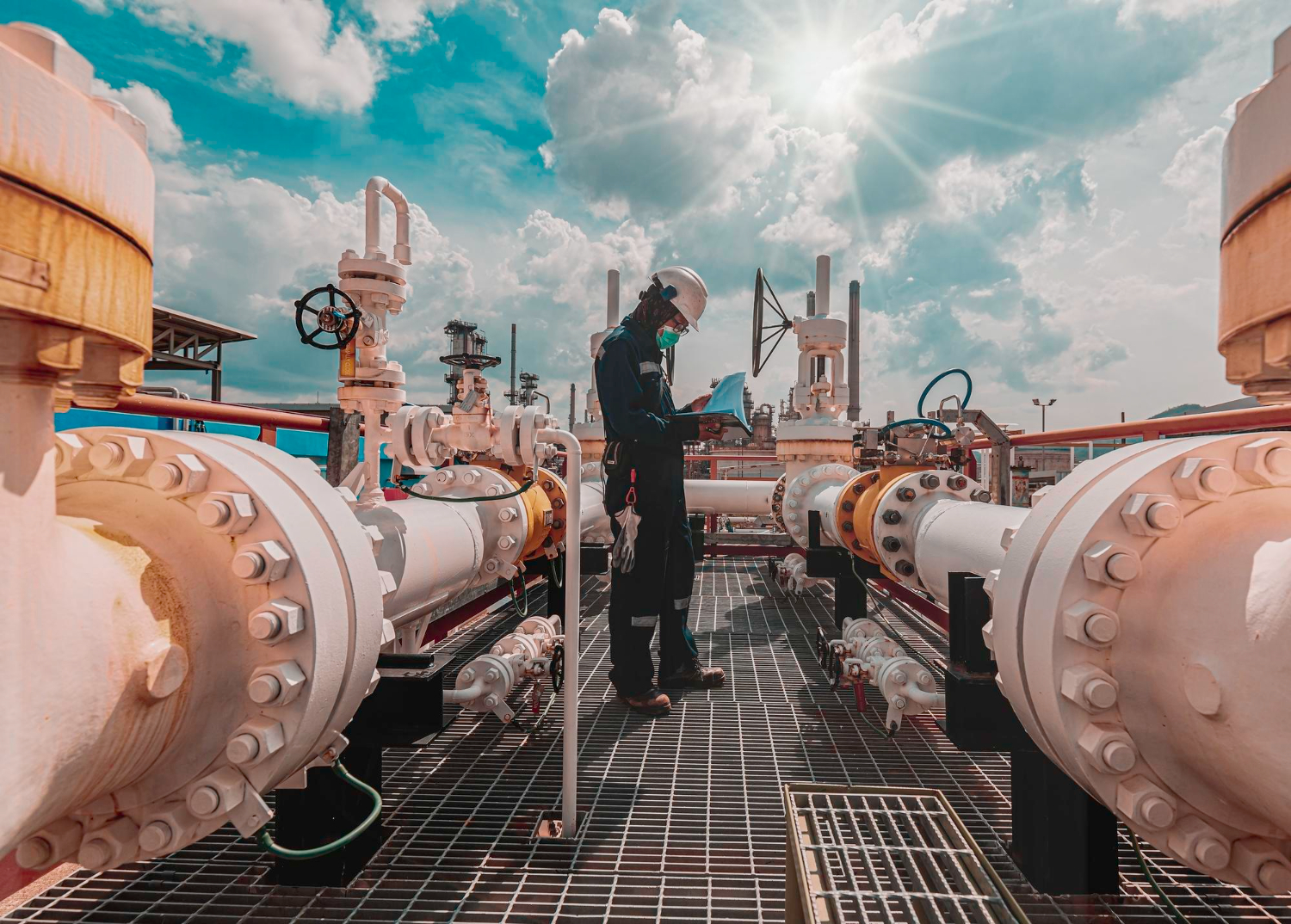
We take a proactive, preventive approach to asset integrity. Our experienced team combines international best practices with local knowledge to deliver reliable inspection services that minimize risks and maximize equipment availability.