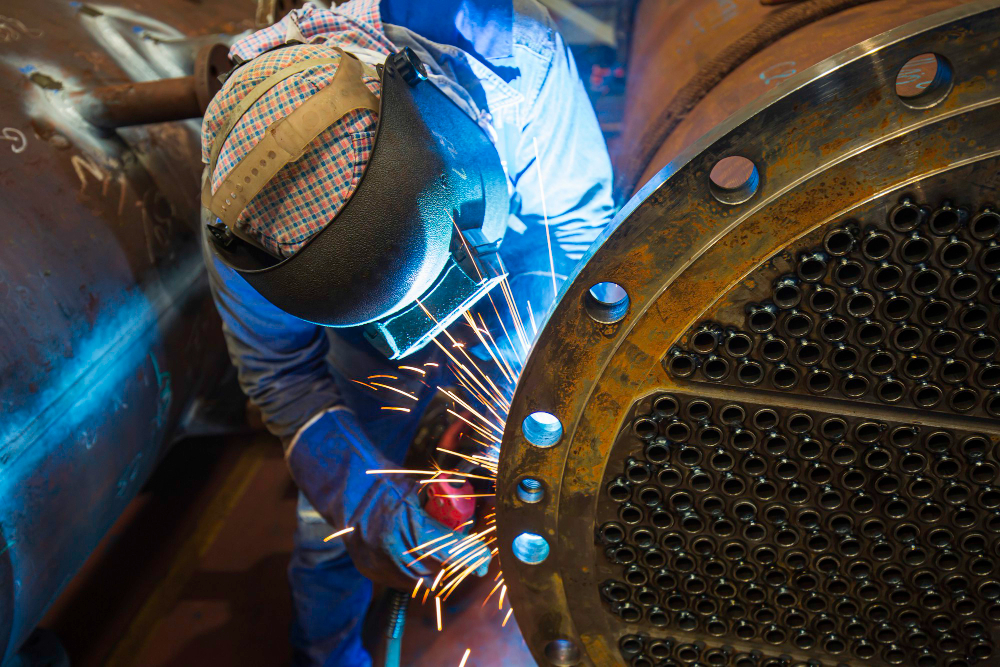
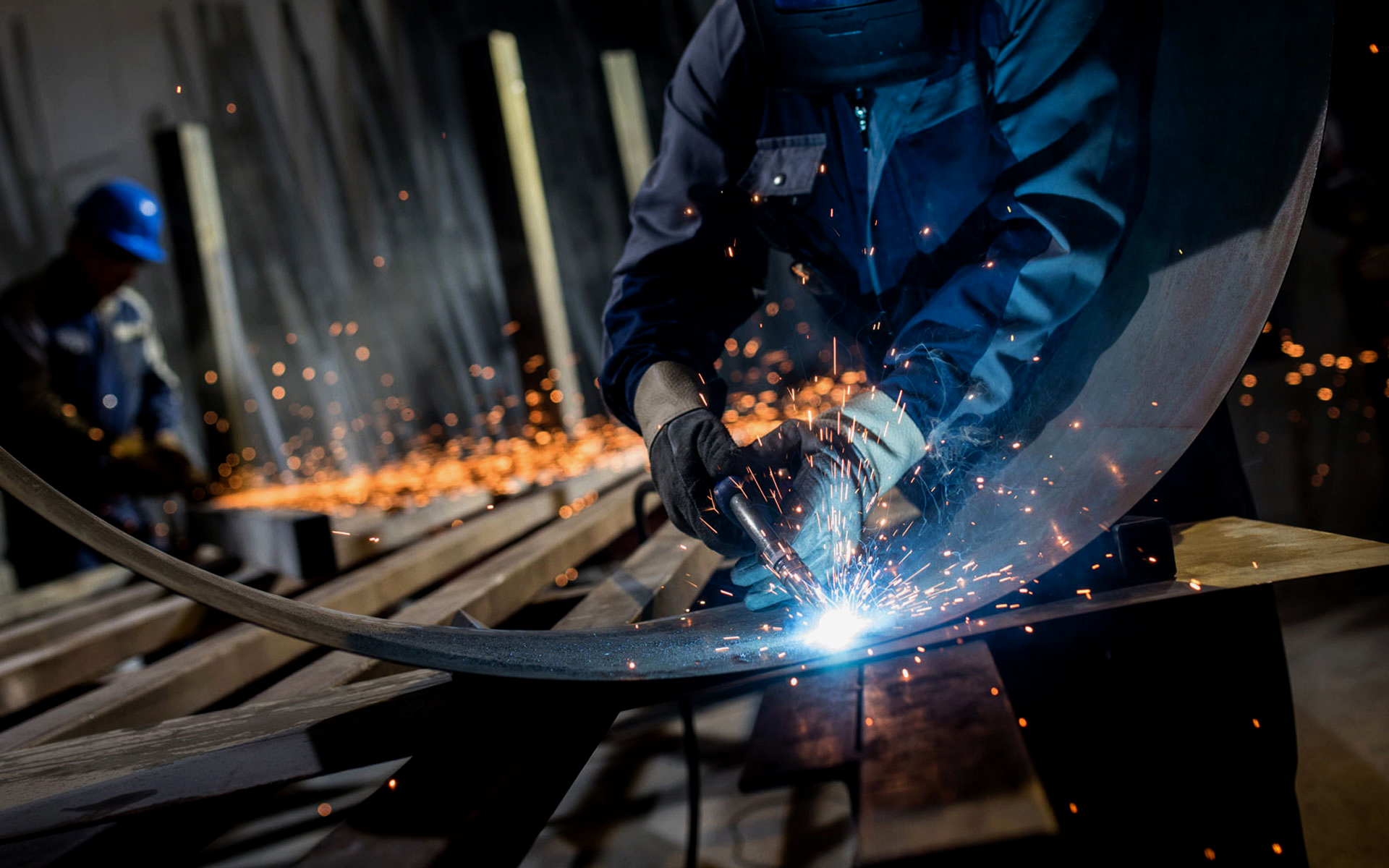
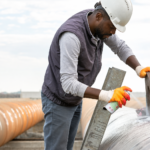
TechInspecta provides reliable QA/QC Welding & Fabrication Inspection in Mozambique for industrial projects that require strong quality control, technical compliance and professional inspection support. Our services help clients verify the quality of welded joints, fabricated structures, piping systems, pressure equipment, storage tanks and mechanical components before, during and after fabrication.
We support projects in oil & gas, mining, construction, energy, manufacturing, ports, infrastructure and industrial maintenance, ensuring that welding and fabrication activities are performed according to approved drawings, project specifications, inspection test plans and applicable international standards.
At TechInspecta, our approach is based on technical accuracy, compliance, documentation and risk reduction. We follow a structured inspection process to ensure that welding and fabrication activities are properly controlled from the beginning of the project until final acceptance.
Our approach includes:
- Document Review
We review drawings, specifications, WPS, PQR, welder qualifications, ITPs and applicable standards before inspection activities begin. - Pre-Fabrication Inspection
We verify materials, dimensions, joint preparation, fit-up, consumables and readiness for welding or fabrication. - In-Process Inspection
We monitor welding parameters, workmanship, alignment, heat control, consumable handling and compliance with approved procedures. - Final InspectionWe inspect completed welds, fabricated structures and assembled components to ensure they meet the required acceptance criteria.
- Reporting and Documentation
We provide clear inspection reports, findings, photographic records, non-conformance reports when required and technical recommendations for corrective actions.
TechInspecta combines technical inspection knowledge, industrial field experience and a strong understanding of quality requirements for high-risk sectors. We help clients protect their assets, improve workmanship quality and ensure that welding and fabrication activities are executed safely, professionally and in accordance with recognized standards.
Our team supports projects with practical inspection solutions, clear reporting and a commitment to engineering integrity.